
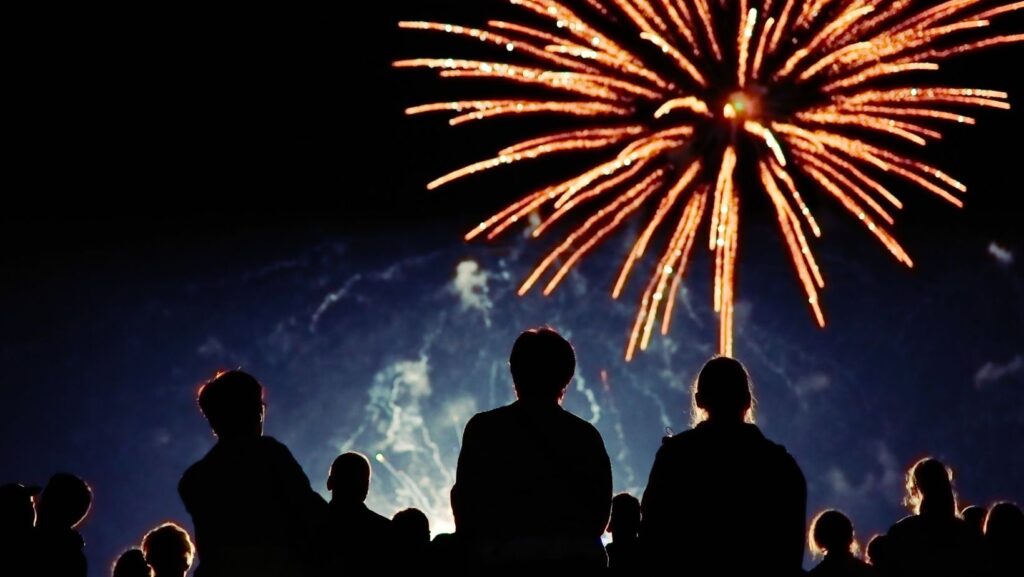
A great fireworks display isn’t only about choreography, colour, and timing. The atmosphere above your launch site is part of the performance—sometimes a helpful collaborator, other times the toughest critic in the crowd. If you’ve ever watched a show where the bursts seemed muted, the smoke hung stubbornly in place, or the finale felt oddly quiet, chances are the weather was calling the shots.
Weather doesn’t just influence comfort for spectators; it affects safety, visibility, sound, and even how reliably fireworks ignite and behave in flight. The good news is that you can plan for most of it. Let’s unpack the biggest weather factors and what they mean in practical terms.
Wind: The Make-or-Break Variable
Wind is the first thing professionals check, and for good reason. It influences where fireworks drift, where debris lands, and whether smoke clears or blankets the viewing area.
Direction matters as much as speed
A moderate wind blowing away from the crowd can actually improve the experience by pushing smoke downrange. The same wind blowing toward spectators can turn a crisp, colourful show into a hazy one within minutes. Wind direction also affects safety zones—especially for shells, cakes, and anything producing significant fallout.
Gusts and wind shear can cause surprises
Steady wind is one thing; gusty wind is another. Gusts can tip effects, alter trajectories, and increase the chance of duds or low breaks. Wind shear—changes in wind speed or direction with altitude—can push aerial shells in ways that aren’t obvious at ground level. That’s why “it feels calm here” isn’t a reliable green light.
Rain and Moisture: More Than a Discomfort
Light rain might not look dramatic in the forecast, but moisture is a known enemy of ignition reliability and performance consistency.
Rain can affect ignition and timing
Moisture can seep into fuses, lift charges, and packaging—especially if fireworks are handled or staged in damp conditions. Even when items fire, timing can become less predictable. For a show that relies on tight sequencing, that matters.
Humidity influences smoke and colour perception
High humidity can make smoke linger and scatter light differently. Colours may appear softer, and fine glitter effects can look less crisp. You can’t control humidity, but you can design around it—more on that below.
Around this point in the planning process, it helps to look at advice from specialists who deal with real-world conditions routinely, not just ideal scenarios. Resources like Anfield Fireworks often discuss practical considerations—setup, safety distances, and how environmental conditions affect performance—which can be useful context when you’re deciding whether to adjust, postpone, or rethink the firing layout.
Temperature and Air Pressure: The Subtle Influencers
Temperature doesn’t usually cancel a show on its own, but it can shape how the display looks and sounds.
Cold air can sharpen sound (and sometimes complaints)
Cool, dense air can carry sound efficiently. That can be great for impact—salutes and big breaks feel bigger—but it also means noise travels farther. If you’re operating near residential areas, this matters for planning and community expectations.
Heat can amplify haze
Warm conditions often pair with atmospheric stability (especially in summer evenings), which can trap smoke near the ground. If you’ve seen a show where the second half looked “foggy,” temperature-related stability may be the culprit, not just the volume of fireworks.
Atmospheric Stability and Inversions: Why Smoke Sometimes Won’t Move
One of the most misunderstood factors is the atmosphere’s vertical mixing. On some evenings, smoke rises and disperses. On others, it sits like a lid has been placed over the site.
Temperature inversions can trap smoke
An inversion occurs when a layer of warmer air sits above cooler air near the ground, limiting upward movement. Smoke accumulates, visibility drops, and the show can lose contrast fast. This is common on calm, clear nights—ironically, the kind of weather many people assume is “perfect.”
What you can do about it
You can’t break an inversion, but you can respond intelligently:
- Choose effects that produce less persistent smoke (fewer dense mines and heavy glitter segments back-to-back).
- Build in pacing—short gaps that allow smoke to drift.
- Adjust firing angles and positions, if your setup allows, to keep the viewing corridor cleaner.
(That’s the one and only bullet list—use it as a quick checklist, not a rigid rulebook.)
Visibility: Clouds, Fog, and the “Ceiling” Problem
Cloud cover changes the canvas. High, thin cloud can reflect light beautifully, making colours feel richer. Low cloud and fog, however, can eat your aerial effects.
Low ceilings compress the show
When clouds sit low, big shells may burst inside the cloud layer, dulling the break and scattering light. Spectators may still hear the lift and the burst but see only a glow. If you’re planning a display and low cloud is likely, it can be smarter to favour lower altitude effects and bright, bold breaks over subtle colour transitions.
Fog is a double hit
Fog reduces visibility and holds smoke in place. Even a well-designed sequence can turn into a grey blur quickly. In fog-prone areas, timing and product selection become more important than sheer volume.
Designing a Weather-Resilient Show
If you’re organising a display—whether for an event, a community celebration, or a private gathering—your goal isn’t to “beat” the weather. It’s to build flexibility into the plan.
Start with smarter forecasting
Don’t rely on a single app. Cross-check wind at different heights, look for gust predictions, and pay attention to humidity and cloud base. If possible, check conditions at the site, not miles away. Coastal areas, valleys, and open fields can behave very differently from city centres.
Build decision points into your timeline
A professional approach includes go/no-go thresholds and backup options. Ask yourself: if wind shifts 30 degrees, does your fallout zone still work? If clouds lower by a few hundred metres, does the show still read well? Having predetermined decision points prevents rushed calls under pressure.
Match effects to conditions
On nights with questionable dispersion, lean toward clean-burning, high-visibility effects and avoid stacking multiple smoke-heavy sequences. In breezy conditions, ensure safe clearances and consider how drift affects the crowd’s sightline. And if conditions are genuinely unsafe, the best show is the one you don’t force.
The Takeaway: Weather Is Part of the Choreography
Fireworks are physics and chemistry performed in public—so it makes sense that the atmosphere plays a starring role. Wind shapes the arc, humidity changes clarity, inversions trap smoke, and cloud ceilings decide how much of your big moments people actually see.
Plan with the sky in mind, and your display will look more intentional, feel more professional, and—most importantly—run safer. The weather will still have a vote, but it won’t get the final word.