
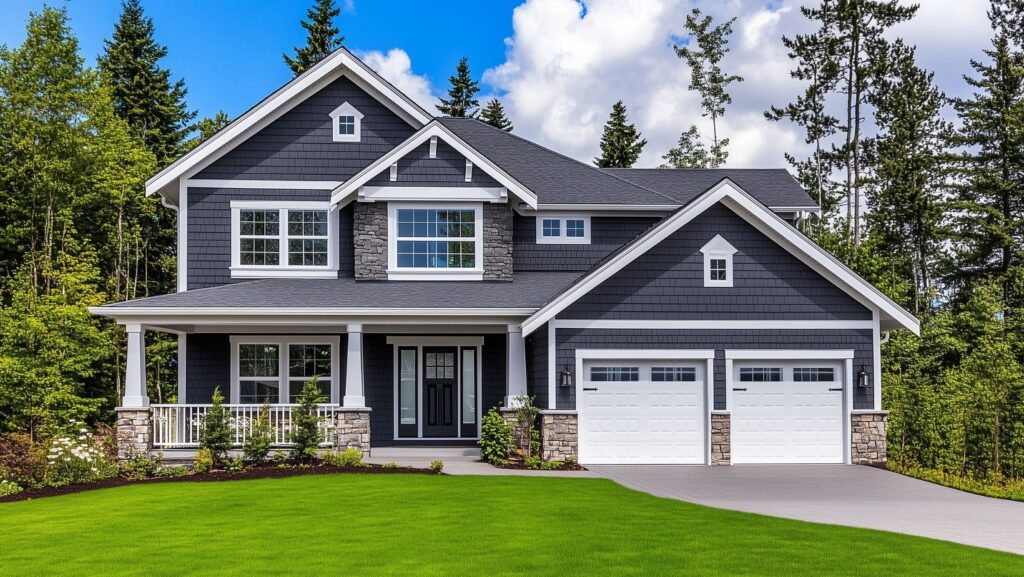
Why Siding Is More Than Cosmetic
Your home’s siding is the primary barrier between the interior and the elements. When it fails — whether through age, storm damage, moisture infiltration, or simple deterioration — the consequences extend far beyond appearances. Water intrusion damages sheathing, framing, and insulation. Energy efficiency drops as air infiltrates through gaps and cracks. Pest intrusion becomes more likely. Choosing and properly installing replacement siding is a structural and energy matter as much as an aesthetic one.
Types of Siding and Their Tradeoffs
Vinyl siding dominates the market for residential exteriors, offering an attractive combination of low cost, minimal maintenance, and long durability. Fiber cement siding — most recognized by the James Hardie brand — offers superior resistance to fire, moisture, and impact, and can be painted any color. Wood siding provides a timeless natural aesthetic but requires regular painting or staining. Engineered wood mimics natural wood at lower cost and with better moisture resistance. Working with a trusted siding company means getting honest guidance on which material is right for your specific home and climate.
What to Look for in a Siding Contractor
Licensing, bonding, and insurance are the baseline requirements. Beyond credentials, look for a company with demonstrated experience in the specific type of siding you are considering. Fiber cement installation, for example, requires specific techniques and tools. Look for manufacturer certification — James Hardie, LP Building Solutions, and other major manufacturers offer installer programs that ensure quality and often unlock extended warranties. Ask for references from recent projects and follow up on them.
The Importance of Proper Installation
Even the highest-quality siding product will fail prematurely if installed incorrectly. Proper installation includes carefully removing existing siding, inspecting and repairing the underlying sheathing, installing a continuous weather-resistant barrier, ensuring proper flashing around all windows, doors, and penetrations, and nailing each piece according to manufacturer specifications. Shortcuts in any of these areas create pathways for moisture intrusion and premature material failure.
Getting and Comparing Estimates
Request written estimates from at least three siding companies. Each estimate should specify the type and manufacturer of siding to be installed, the scope of surface preparation and old siding removal, flashing and moisture barrier details, labor costs, and warranty terms. Compare them carefully — a significantly lower bid almost always means something important has been left out. Ask each contractor to explain exactly what is and is not included.
Understanding Warranties
Siding warranties come in two forms: manufacturer product warranties and contractor workmanship warranties. Manufacturer warranties on quality siding products can range from limited to lifetime coverage. Contractor warranties cover the labor and installation — typically one to ten years depending on the company. Both are important. A product with a lifetime warranty installed poorly will still fail. Make sure both warranties are documented in your contract.