
UK adults spent more time gaming per day in 2025 than previous years, and skill-based games reward that extra attention and learning. You read the situation and feel the difference your judgement makes. A sense of involvement grows each time you recognise a pattern or improve your reactions – here’s why those feelings of progression and mastery matter.
The psychology behind engagement
Your brain treats each outcome as feedback when a game responds directly to your decisions. It allows you to form quick hypotheses and test and adapt on the fly. This cycle keeps you hooked because every moment carries consequences to influence, instead of merely watching the game unfold around you.
Setting small goals within your control helps to reinforce this engagement. For example, you might decide to improve your timing on a particular challenge or experiment with a new tactic. This personal narrative builds momentum and gives the game a sense of depth that chance-based titles rarely reach.
Player agency

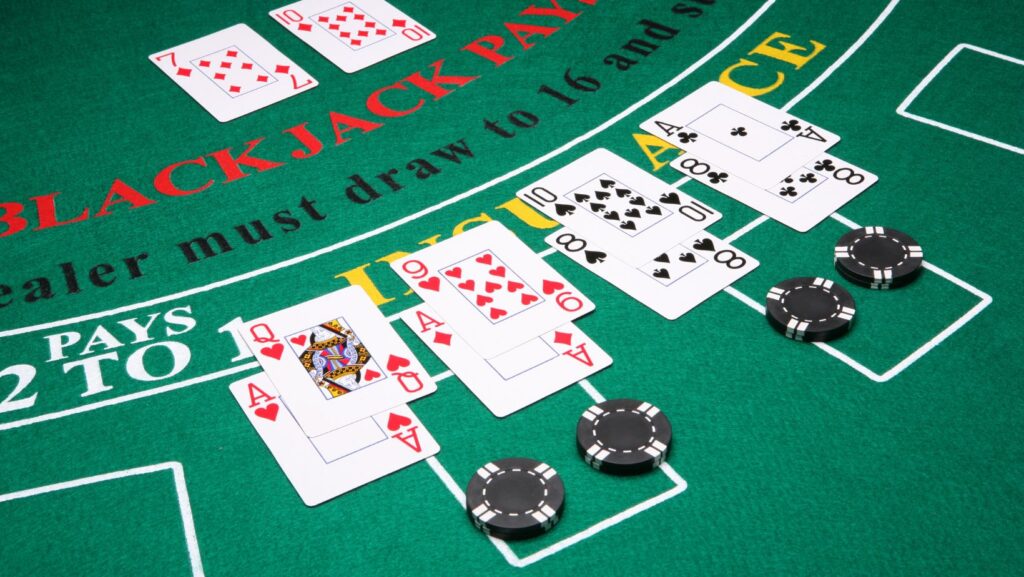
You’re most immersed if your decisions carry weight and you understand the logic behind the outcomes. Games that rely on strategic choices highlight this difference clearly. For instance, online blackjack encourages you to read situations, weigh options and choose moves that fit the odds. They tap into your reasoning rather than leaving everything to fortune.
By contrast, a pure luck format gives you no route to improve your results. You press a button and watch a result appear without any link to your judgement, so you can’t refine your approach methodically.
Refinement often starts with simple observations, too, not encyclopaedic knowledge. Notice when hesitation costs you time, or if overconfidence nudges you into rash decisions – creating a path for growth by acting with purpose instead of relying on external swing.
Broader gaming trends
Many modern gaming trends reflect this shift towards player-driven experiences. Developers increasingly design systems that reward experimentation or long-term skill building. You see this in everything from competitive multiplayer modes to narrative-heavy adventures that branch from your decisions, letting players shape their own journey rather than follow a predetermined line.
Skill-based games remain among the most popular titles, from puzzles to action, simulation and sports, and this trend continues because players value games that respect their capacity to learn. You stay more motivated to pick up a pad when a title challenges you to improve and explore new layers without overwhelming or waiting for chance.
These titles are often more engaging because they give you room to grow and build a relationship with the experience. Each session feels fresh and worth mastering if your actions drive the outcome. What recent games have challenged you in this way?