
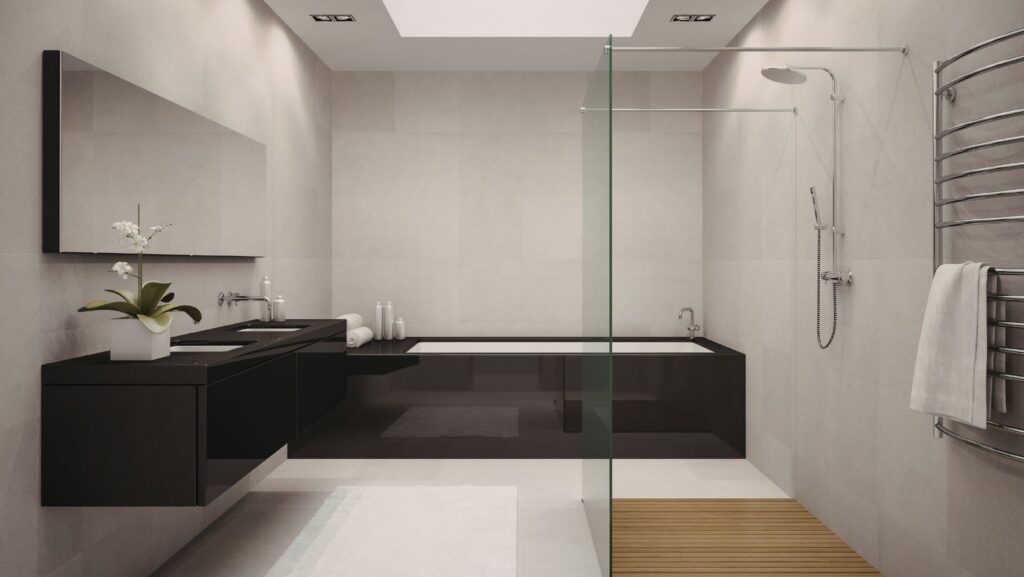
Designing a small bathroom requires creativity and attention to detail. Every inch matters, and the right choices can transform a compact space into one that feels open and inviting. The key is to focus on materials, layout, and visual flow to make the shower area feel larger without major renovations.
Using Glass to Open Up the Space
Glass is one of the most effective materials for visually expanding a bathroom. Clear glass panels allow light to travel freely, reducing visual barriers and creating a sense of depth. For this reason, many homeowners choose Shower Screens in Australia made from frameless or semi-frameless glass to achieve a seamless look.
Frosted or textured glass can also be used if privacy is a concern. These finishes soften the view while still maintaining brightness and an open feel. Frameless designs, in particular, eliminate bulky metal frames that can divide the space visually.
Smart Layout and Space Planning
The layout of a small bathroom influences how large it feels. Keeping the shower in a corner or against one wall maximises available floor area. Whenever possible, avoid placing large fixtures near the shower entrance, as this can make the room appear crowded.
Wall-mounted vanities and floating shelves create more visible floor space, enhancing the sense of openness. Using a continuous floor tile pattern from the main area into the shower also helps unify the room visually.
Color and Lighting Choices
Light colours reflect more light and make surfaces appear farther apart. Pale neutrals, soft greys, and warm whites help small bathrooms feel airy. Tiles with a glossy finish can bounce light around, further brightening the room.
Layered lighting is essential. Combine overhead lights with wall sconces or recessed lighting near the shower to eliminate shadows. A well-lit space always feels larger and more comfortable.
Tile Patterns and Materials
Tile design can significantly influence how large the shower feels. Larger tiles with minimal grout lines create an unbroken surface that expands the visual field. Horizontal tile patterns or long rectangular tiles can elongate the walls, making the space seem wider.
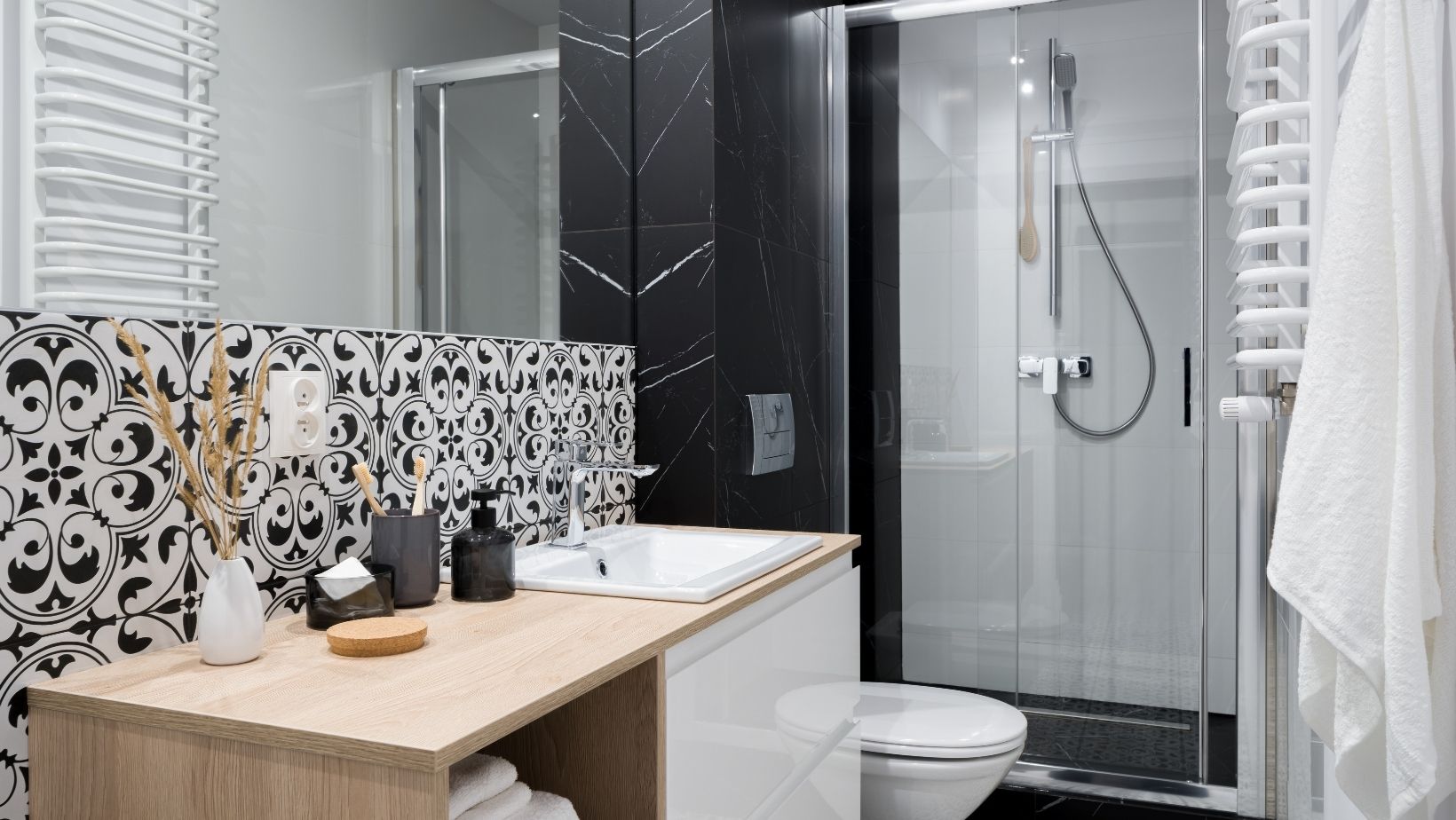
Natural stone, marble-look tiles, or high-quality porcelain can add sophistication without overwhelming the room. Consistency in texture and tone between the shower and surrounding areas creates harmony and avoids a cramped appearance.
Incorporating Reflective and Minimalist Elements
Mirrors and reflective finishes are practical ways to enhance brightness and depth. A large mirror above the vanity can double the visual space, while metallic accents on taps or fixtures add subtle shine.
Minimalism also plays a role in enhancing openness. Keeping surfaces clutter-free and choosing sleek fixtures ensures that the design remains simple yet functional. Built-in niches within the shower are ideal for storing toiletries without taking up extra space.
Practical Details That Enhance Comfort
Beyond aesthetics, thoughtful details improve usability. A sliding shower door saves space compared to a hinged one. Underfloor heating can keep tiles warm and reduce the need for bulky radiators. Soft-close drawers and concealed storage contribute to a calm, streamlined environment.
When all elements work together, even the smallest bathroom can feel balanced and spacious. With careful planning and a focus on light, transparency, and proportion, a compact shower area can become a comfortable and elegant retreat.