
Have you ever looked around your home and felt like screens are part of every single moment of the day?
That feeling is very common in family life now. Screens help with school, work, hobbies, video calls, and quiet time after a busy day. They also bring families together in fun and useful ways.
The real goal is not to avoid screens. It is to use them in a way that feels calm, healthy, and manageable for everyone at home.
That is where a small, practical home setup can make a real difference. When a family has one shared device in the right place, it becomes easier to create simple routines.
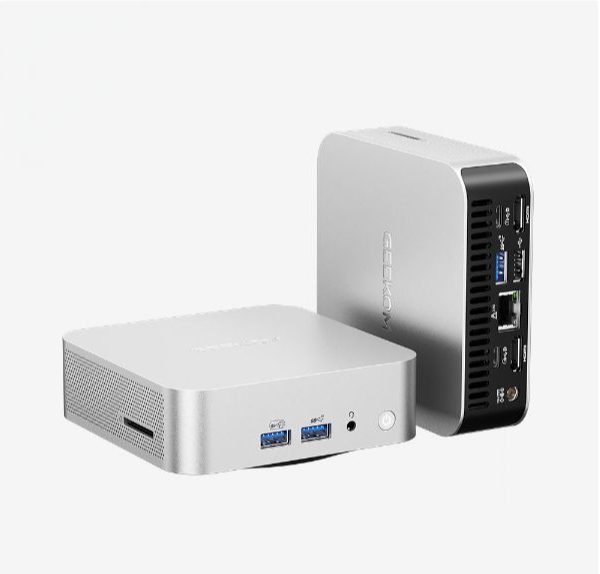
A compact computer can support homework, creative projects, family movie time, and short bursts of fun, all without taking over the room.
Why Screen Time Balance Starts With Setup
The way a screen fits into your home matters just as much as the screen itself.
A device that sits in a shared area often helps families stay more connected during screen use. People can talk, help each other, and move between online time and offline time more naturally. That kind of setup can make daily life feel lighter and more organized.
A Shared Space Creates Healthier Habits
When a computer is placed in a family room, study corner, or kitchen workspace, it becomes part of normal home life instead of a separate activity.
That simple change supports habits like:
- Doing homework where a parent can help nearby
- Taking quick breaks between tasks
- Using screens with a clear purpose
- Enjoying digital time together instead of alone
- Switching from screen time to meals, reading, or chores more smoothly
A small setup also helps the room stay open and tidy. A mini pc can fit into these shared spaces without becoming the center of attention, which many families appreciate.
Less Clutter, More Calm
Big devices can sometimes pull a lot of focus. A compact option keeps things simple.
When the setup feels clean, the whole routine often feels easier too. There is more room on the desk for notebooks, art supplies, headphones, and family calendars. That matters because balance at home often starts with a space that supports different parts of daily life.
How A Smaller Computer Fits Into Family Life
Families usually need one device to do many jobs throughout the day.
A child may use it for schoolwork in the afternoon. A parent may check email or join a video call later. In the evening, the whole family might use the same screen for music, recipes, photos, or a movie.
That kind of flexibility works well when the device is simple to place and simple to share.
It Works Well For Everyday Tasks
For many homes, screen time is not one thing. It is a mix of little moments.
A compact home computer can support activities like:
- online classes and homework
- reading and research
- video chats with relatives
- music and light entertainment
- printing forms or school papers
- creative hobbies like writing, drawing, or photo sorting
Because a mini pc takes up so little room, it can support all of this while keeping the desk area open for real-life activities too.
It Encourages Intentional Use
One nice thing about a shared family device is that it often encourages more purposeful screen time.
Instead of everyone automatically reaching for a personal screen, a shared station gives digital time a place and a rhythm. That can help children learn that screens are one part of a full day that also includes play, movement, conversation, and rest.
Smart Ways Families Can Use Screen Time Positively
A balanced routine does not need to feel strict. It can feel natural, warm, and flexible.
The best family routines are usually the ones that fit real life. Some days are full of school tasks. Some days are quiet and creative. A simple computer setup can support both.
Build Gentle Routines Around Real Needs
Try linking screen use to daily moments that already exist.
For example:
- homework after a snack
- family video call after dinner
- music during weekend cleaning
- one shared show before bedtime reading
- short research time for school projects before outdoor play
These little patterns help screens feel useful and enjoyable without making them the whole day.
Make It A Tool For Together Time
Screens can support connection in lovely ways when families use them side by side.
A shared computer can be used for:
| Family Activity | How It Helps |
| Looking up recipes | Encourages cooking together |
| Watching tutorials | Supports hobbies and learning |
| Sorting family photos | Brings back memories |
| Planning trips or weekends | Builds excitement together |
| Doing school projects | Makes learning collaborative |
A mini pc works nicely in this kind of role because it can stay in a common area and support group use without taking over the space.
What To Look For In A Family-Friendly Setup
A family computer does not need to feel complicated.
What matters most is that it fits your home, supports everyday tasks, and helps everyone move easily between online and offline life.
Focus On Comfort And Simplicity
Here are a few helpful things to keep in mind:
- Choose a spot with comfortable seating
- Keep the screen at a good viewing height
- Leave room for books, paper, and supplies
- Use simple storage for cables and accessories
- Place the setup where family members naturally pass by
This creates a friendly environment that supports balance from the start.
Think About Shared Access
A setup works best when everyone can use it without stress.
That may mean:
- Having one family calendar nearby
- Keeping logins organized
- Setting clear times for school, work, and fun
- Adding headphones for quiet moments
- Keeping the area bright and welcoming
The right device supports these routines without adding bulk. That is one reason many families like the idea of a mini pc in a shared home workspace.
A Balanced Home Can Still Be A Tech-Friendly Home
Family life works best when tools support the rhythm of the home instead of interrupting it.
Screen time can be part of learning, connection, creativity, and everyday comfort. A thoughtful setup helps children and adults use technology in a way that feels steady and human. With a compact computer in the right space, it becomes easier to keep online time in balance with all the other good parts of family life.