
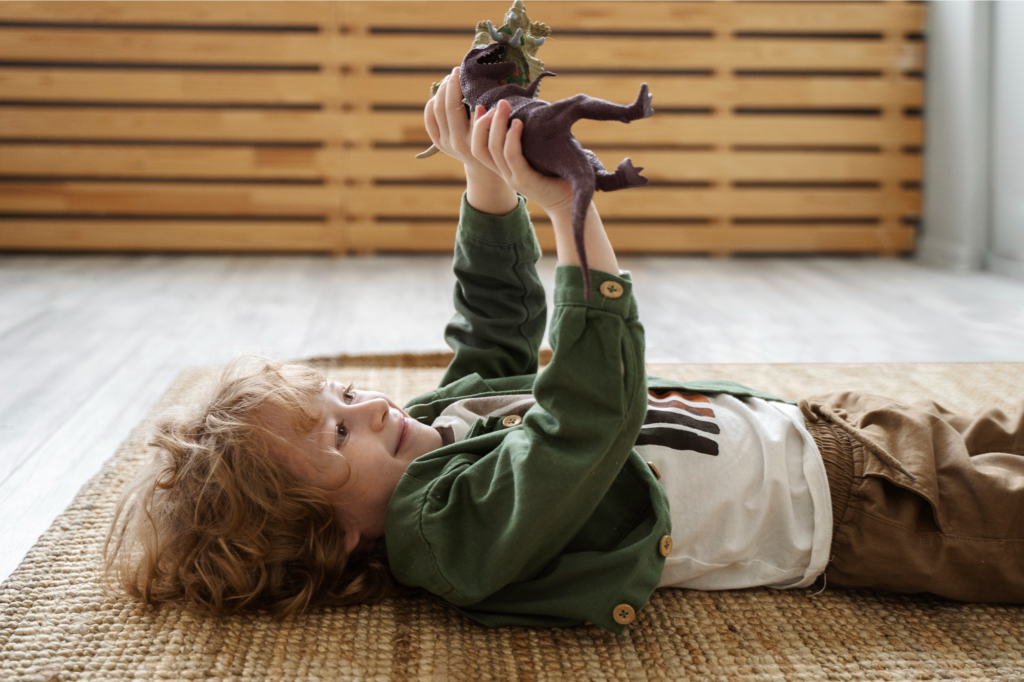
In an era defined by constant digital stimulation and hyper-scheduled extracurriculars, the sound of a child saying “I’m bored” often triggers a reflex in parents to provide an immediate solution. We have conditioned ourselves to view downtime as a void that must be filled.
However, developmental psychologists are increasingly advocating for a counterintuitive approach: letting children sit with their boredom. Far from being a waste of time, these moments of inactivity are the fertile soil in which self-reliance, emotional regulation, and deep creativity take root. By stepping back, parents allow their children to transition from passive consumers of entertainment to active architects of their own play.
Cultivating this independence requires a shift in how we perceive leisure and risk. Just as adults might meticulously research professional online review platforms to find the most secure environments for real money casino games as a way to ensure a safe recreational experience, parents must also be discerning about the environments they curate for their children.
Providing a safe, unstructured space is the ultimate “review” of a child’s needs. When we stop managing every second of their day, we give them the accessibility to their own internal resources, allowing them to navigate the “risk” of boredom and emerge with a newfound sense of autonomy.
The Developmental Alchemy of Doing Nothing
When a child is bored, their brain does not simply shut down; it switches to what neuroscientists call the “default mode network.” This state is crucial for autobiographical memory and imagining the future. Without an external task to focus on, the mind begins to wander, leading to “divergent thinking” — the ability to generate unique solutions to problems. This is the birth of true creativity. A cardboard box remains a box as long as a tablet is providing the story; once the screen is off and the boredom sets in, that box becomes a fortress, a time machine, or a galley.
Furthermore, boredom serves as a vital lesson in emotional resilience. Constant stimulation acts as a buffer against discomfort. When that buffer is removed, children must learn to tolerate the minor “itch” of boredom without external intervention. This builds a foundation for self-regulation that will serve them well into adulthood, preventing a lifelong dependency on external “fixes” for every moment of unease.
Strategies for Embracing the Silence
Transitioning from a “cruise director” parent to a “space-holding” parent requires intentionality. It is not about neglect, but about strategic withdrawal. Here are several ways to facilitate this shift:
- Establish a “boredom threshold”: When the complaints start, acknowledge them without fixing them. A simple, “I can’t wait to see what you come up with,” validates their feeling while placing the responsibility of action back on the child.
- The “slow-toy” environment: Prioritize open-ended toys — blocks, art supplies, or silks—over electronic toys that “play for” the child.
- Model stillness: Children mimic what they see. If they see you constantly scrolling during your own downtime, they will struggle to find value in silence. Let them see you reading or simply gazing out the window.
Shifting from Entertainment to Exploration
The goal of allowing boredom is to move the child toward “deep play.” Unlike the shallow engagement of a video game, deep play is immersive and self-directed. It is in these hours of unstructured time that children discover their genuine interests. A child left to their own devices might find they have a passion for drawing insects, building complex marble runs, or writing plays. These are not activities suggested by a parent; they are manifestations of the child’s inner world.
| Benefit of Boredom | Developmental Outcome |
| Increased Internal Reflection | Better self-awareness and identity formation. |
| Problem-Solving Practice | Enhanced cognitive flexibility and “outside-the-box” thinking. |
| Emotional Endurance | Improved patience and reduced reliance on instant gratification. |
| Resourcefulness | Learning to utilize available materials in novel ways. |
What Recent Research Suggests
A recent study on early childhood boredom found that boredom in childhood is linked to self-regulatory processes and coping strategies, with many children responding by seeking social stimulation or turning to active behavior such as playing with toys. That does not mean every bored moment is magical. It does suggest, though, that boredom is part of how children practice regulation and learn how to respond when life is not instantly rewarding.
Reclaiming the Quiet as a Path to Growth
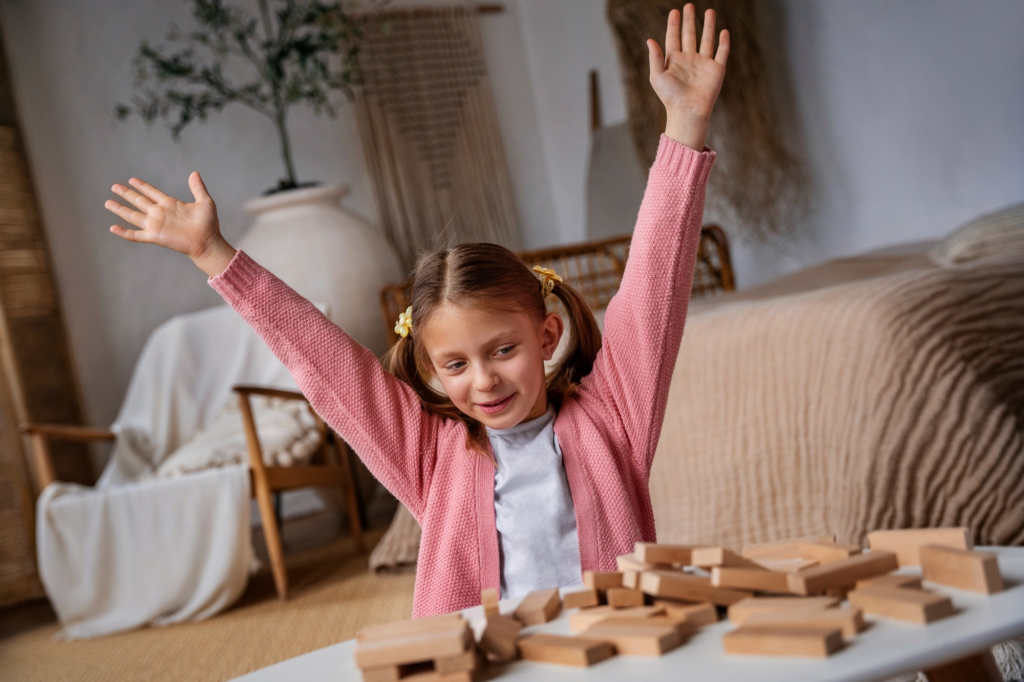
In conclusion, the greatest gift a parent can give a child is the space to be alone with their thoughts. While it may feel uncomfortable at first to ignore the pleas for entertainment, the long-term rewards are undeniable.
By resisting the urge to fill every silence, we are not being “boring” parents; we are being empowering ones. We are teaching our children that they are enough, that their imaginations are limitless, and that the world is a place to be explored, not just a screen to be watched. Let the silence linger; it is in that quiet that the true potential of your child begins to speak.