
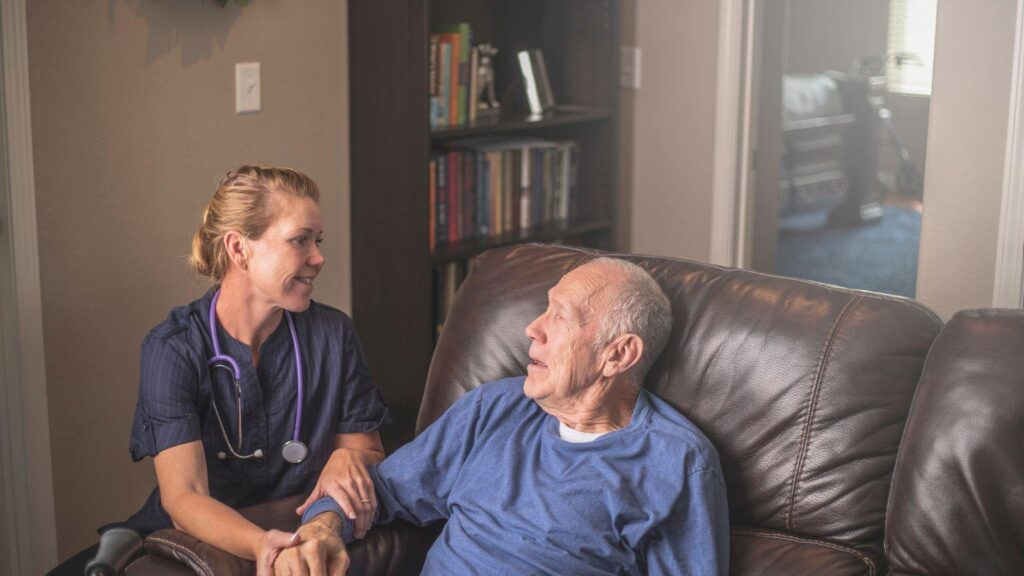
Family members usually need assistance with loved ones who may struggle to carry out activities of daily living. In-home care services offer assistance that enables older adults to live a more functional life and feel secure. They have trained caregivers at home, who create an atmosphere of comfort, warmth, and companionship. Learning about the services in-home care providers offer can help families make suitable decisions based on the kind of support available to their loved ones.
Personalized Care Plans
Every senior has different needs. Each of them cares about specific things and has varied needs. In-home care services evaluate their needs and formulate a plan based on specific needs. It typically includes things they must do every day to ensure support and facilitate progress. Through this method, in-home care services ensure that everyone receives the help they need in a dignified and befitting manner. Additionally, as needs change, care plans can be revised.
Assistance With Daily Activities
Companions are caregivers who assist clients with personal hygiene, grooming, and dressing. Bathing assistance is offered in a way that respects the individual. They also offer mobility aids and assist with walking or while transferring from the bed to the chair or vice versa. These services provide both adequate support and independence to enable older adults to live safely in their homes.
Medication Reminders and Health Monitoring
Many seniors need continuous medication. With their caregivers’ assistance, clients can take their prescribed medicines on time. This reduces the risk of missing doses. They can even track basic health metrics, such as blood pressure or temperature, and alert families or healthcare professionals if something changes. Such support ensures continued wellness.
Meal Preparation and Nutrition
Good nutrition promotes health and recovery. In-home care providers prepare healthy meals based on the special dietary needs and preferences of the seniors in their care. They help with grocery shopping and meal planning as required. This support makes it easier for seniors to eat well so that they are less at risk of malnutrition or developing poor eating habits.
Light Housekeeping and Errands
Caregivers contribute to keeping the house clean and safe. This may involve dusting, vacuuming, doing laundry, organizing personal items, and other minor chores. They can also help with small tasks, such as prescription delivery or grocery shopping. Having a clean, organized surrounding gives people a sense of ease and safety.
Companionship and Emotional Support
Isolation can affect emotional well-being. Through their daily conversations at home, continual encouragement, and/or leisure activities (such as games), caregivers provide companionship. Such interactions help ensure belongingness and reduce loneliness. Involvement with others tends to enhance mood and mental well-being among seniors.
Respite for Family Members
Caring for a loved one can put families under a lot of stress. In-home care services provide family members with adequate time to relax and rejuvenate. They can enjoy the peace of mind that comes with knowing that a trained caregiver is around to care for their loved ones. Caregivers from in-home services enable caregivers within the family to work, attend to personal needs, or focus on other commitments.
Safety and Supervision
Home safety is a problem for the aging population. In-home care providers keep an eye out for hazards and put appropriate safety measures in place. They prevent falls, manage wandering behavior, and provide emergency response. They help seniors avoid accidents and injuries.
Flexible Scheduling and Availability
In-home care services can offer trained professionals to work flexible hours, depending on the needs of the family or the senior in question. Sometimes, families only need part-time help, while some families (and seniors) need full-time or 24-hour care. Schedules can be adjusted based on changing circumstances so that support is never interrupted. This flexibility also allows families to plan their routines accordingly.
Communication With Families and Professionals
Open communication between the patient and the doctor is the hallmark of quality care. Family members receive frequent updates from caregivers, ensuring everyone is aware of the senior’s health and their overall progress. They also have partnerships with healthcare providers to coordinate care when appropriate. Open communication builds and enables people to be aligned at all times.
Conclusion
In-home care services assist families and seniors who need a helping hand. Whether seniors need assistance with everyday tasks or simply need someone to keep them company, these services provide a safe, healthy, and comfortable way of living. This level of personalized care, flexible scheduling options, and open communication allow families to rest easy, knowing their loved ones are cared for at home.