
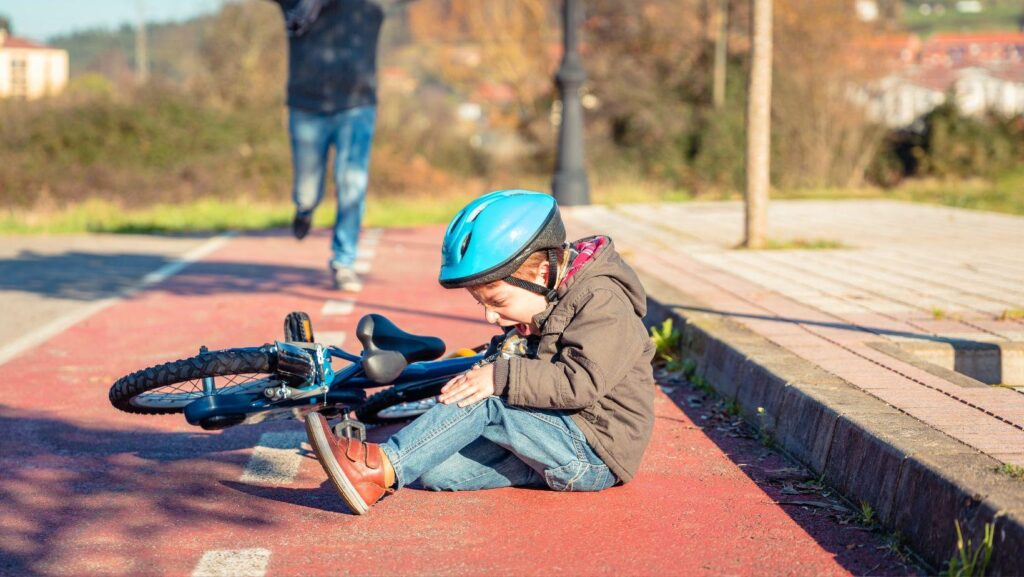
Children fall often, and many bumps or bruises heal with rest, ice, and time. But when a child complains of knee pain after slipping on a wet floor, falling on broken stairs, tripping over uneven pavement, or landing hard in a store, apartment building, school, or daycare, parents should pay close attention. What first looks like a simple fall may involve an injury that needs medical evaluation.
Knee injuries in children can be difficult to understand because young kids may not explain pain clearly. They may say their leg “feels funny,” avoid walking, limp, cry when climbing stairs, or stop playing the way they normally do. When pain continues or movement changes, it may be a sign that the fall caused more than a temporary bruise.
When “They’ll Walk It Off” Becomes Risky
It is natural for parents to hope a child’s pain will improve quickly. Some soreness after a fall is expected, especially if the child landed directly on the knee. However, ongoing pain should not be brushed aside simply because children are active or resilient.
A child who refuses to put weight on the leg, limps for more than a short time, or complains that the knee hurts during ordinary movement should be checked. Waiting too long can allow a serious injury to worsen and may also make it harder to connect the condition to the fall later.
Swelling Can Tell an Important Story
Swelling around the knee is one of the signs parents should watch closely. Mild swelling may happen after impact, but significant or increasing swelling can suggest internal damage. The knee may look puffy, feel warm, or appear larger than the other side.
Swelling can come from irritated tissue, bleeding inside the joint, ligament damage, cartilage injury, or other trauma. If swelling appears soon after the fall or does not improve with rest, medical care may be needed. Photos taken over time can also help show how the injury developed.
A Limp May Mean More Than Soreness
Children sometimes limp because they are scared, tired, or sore. But a limp that continues can signal that the body is protecting an injured knee. The child may shorten their steps, avoid bending the knee, walk on the toes, or refuse to run.
Parents should also watch for changes in behavior. A child who usually plays freely may suddenly avoid playground equipment, sports, stairs, or walking long distances. These changes may be easier to notice than the child’s words, especially when the child is too young to describe the pain clearly.
Growth Plates Make Children Different From Adults
Children’s bones are still developing, which means knee injuries may affect areas adults do not have in the same way. Growth plates are softer areas of developing tissue near the ends of bones. A hard fall or twist can injure these areas and may require careful medical attention.
Because children are still growing, a knee injury should not always be judged by how it looks on the outside. A child may not have a dramatic wound or visible deformity but may still have damage that affects movement. Doctors may need imaging, exams, and follow-up visits to understand the full injury.
When Settlement Value Depends on the Full Medical Picture
Parents may wonder how a child’s knee injury could affect a legal claim if the fall happened because of an unsafe property condition. The answer depends on the diagnosis, treatment, recovery time, pain, limitations, and whether the property owner’s negligence can be proven. A quick assumption that the injury is minor can lead to an incomplete view of the claim.
This is why searches about the average settlement for slip and fall knee injury can be misleading without context. A child’s claim may involve medical bills, future care, activity restrictions, emotional distress, missed school, and the parents’ time away from work. The value depends on the facts, not just a general average.
The Location of the Fall Matters
A child’s knee injury claim may arise from many property hazards. A wet grocery store floor, broken apartment stair, loose floor mat, icy walkway, uneven sidewalk, poorly maintained playground, or unsafe daycare surface can all cause a serious fall. The location matters because it helps show who may have been responsible for keeping the area safe.
Evidence from the scene can be very important. Parents should try to photograph the hazard, report the fall, ask for an incident report, collect witness names, and save any communication with the property owner or manager. If the dangerous condition is cleaned, repaired, or changed later, early documentation may become crucial.
Children May Hide Pain Without Meaning To
Some children do not want to worry their parents. Others want to return to play quickly and may downplay symptoms. A child may also become distracted during the day and complain only at night, after activity, or when asked to bend or climb stairs.
Parents should trust patterns, not just one answer. If the child keeps touching the knee, avoids certain movements, wakes up from discomfort, or becomes unusually cautious, those signs may matter. A written record of symptoms can help doctors understand what is happening and can later support the injury timeline.
Medical Records Help Protect the Child’s Claim
Medical records do more than guide treatment. They also create a timeline connecting the fall to the knee injury. Records may include emergency care notes, pediatrician visits, orthopedic evaluations, imaging results, therapy recommendations, braces, medication, and activity restrictions.
If a claim is made later, insurance companies may question whether the knee pain was caused by the fall. Prompt medical care and consistent follow-up can help answer those arguments. Parents should also keep copies of school notes, sports restrictions, missed activity records, and receipts for treatment-related expenses.
Parents’ Losses Can Also Be Part of the Picture
When a child is hurt, parents often carry much of the burden. They may miss work to attend appointments, provide transportation, help the child move around, communicate with school staff, and monitor symptoms. These responsibilities can create financial and emotional strain.
A child’s injury can also disrupt family life. Sports seasons may be missed, school routines may change, and the child may need help with stairs, bathing, dressing, or getting in and out of the car. These details help show the real impact of the injury beyond the first medical bill.
Taking Knee Pain Seriously Protects the Child’s Future
A child’s knee pain after a fall should not be ignored when symptoms continue, swelling appears, walking changes, or the child avoids normal activity. Early medical attention can help identify serious injuries, guide treatment, and reduce the risk of long-term problems.
If the fall happened because a property owner failed to fix or warn about a dangerous condition, families may also need to understand their legal options. A strong claim begins with careful documentation, clear medical records, and attention to how the injury affects the child’s daily life. Taking the pain seriously from the start can protect both the child’s recovery and the family’s right to pursue fair compensation.