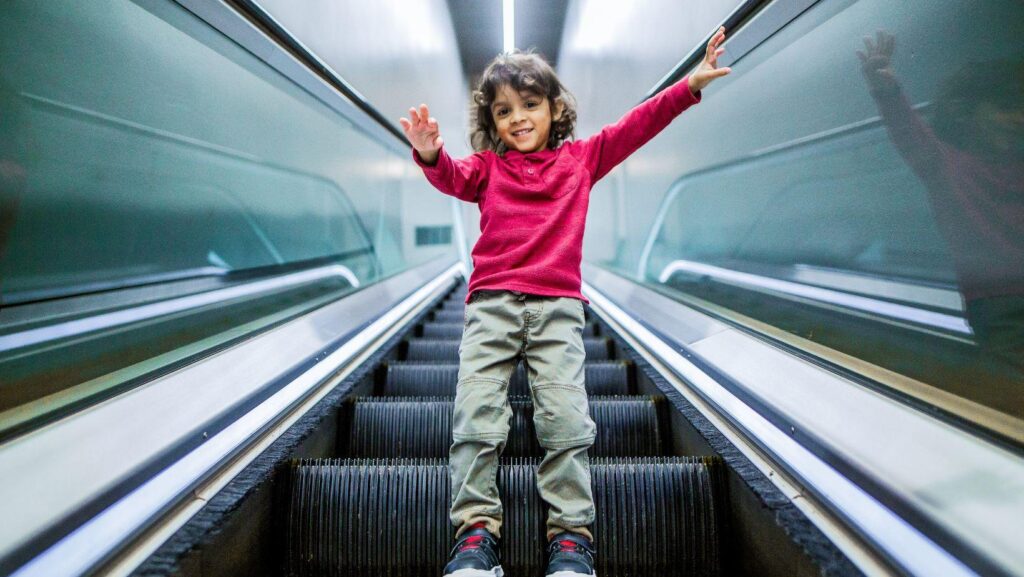
Escalators are common in malls, airports, train stations, hotels, hospitals, and large public buildings. Most adults use them without thinking much about the risks, but children may face unique dangers because of their size, balance, curiosity, and developing awareness. A short ride between floors can become frightening when a child trips, gets clothing caught, or loses footing near moving steps.
Parents may assume an escalator injury is simply an accident, but sometimes unsafe conditions, poor maintenance, missing warnings, or lack of supervision by a property owner can play a role. When a child is hurt on someone else’s property, speaking with a Chicago premises liability lawyer may help families understand whether the hazard could have been prevented and what evidence may matter.
Children May Not Recognize the Moving Parts
Escalators can be confusing for young children because several parts move at the same time. The steps rise or descend, the handrail moves, and the entry and exit plates create gaps where feet must be placed carefully. A child may not understand how quickly they need to step on or off.
This uncertainty can lead to trips and falls. A child may hesitate at the entrance, step too close to the edge, or lose balance when the step begins to move. If the escalator is crowded or moving unusually, the risk can become even greater, especially when adults nearby cannot react quickly enough.
Small Shoes and Loose Clothing Can Create Hazards
Children’s shoes, sandals, shoelaces, pants, jackets, and backpack straps can become dangerous around escalators. Loose materials may get caught near the sides, between steps, or at the comb plate where the moving stairs flatten at the top or bottom. Because children may not notice the problem right away, a minor snag can quickly become serious.
Soft shoes or open-toed footwear may also increase risk if a child stands too close to the edge of a step. When a shoe or piece of clothing becomes trapped, the child may panic, fall, or suffer injuries to the foot, ankle, hand, or leg. Clear warnings and properly maintained machinery can help reduce these risks.
Falls Can Happen at the Entrance or Exit
The beginning and end of an escalator ride can be the most dangerous moments for children. At the entrance, a child must judge the timing of the moving steps. At the exit, the child must step away quickly before the next riders arrive behind them. Any hesitation can cause a fall.
A fall near the exit can be especially risky because other passengers may be moving forward at the same time. A child who falls may be bumped, stepped on, or unable to get up quickly. If the escalator does not stop promptly or if the emergency shutoff is hard to find, the injury may become worse.
Poor Maintenance Can Make Escalators More Dangerous
Escalators need regular inspection and maintenance to remain safe. Worn steps, loose panels, broken teeth on the comb plate, uneven movement, faulty handrails, missing side guards, or sudden jerking can all create hazards. These problems may be especially dangerous for children because they have less strength and balance than adults.
If a property owner knew or should have known about a problem, maintenance records may become important. Prior complaints, repair logs, inspection reports, and incident history can help show whether the escalator had known safety issues before the child was hurt. A preventable maintenance failure should not be dismissed as an ordinary accident.
Crowded Areas Can Increase the Risk
Escalators are often located in busy places where people are rushing, carrying bags, or moving in groups. Children may be pushed forward by the crowd or separated from an adult for a moment. When space is limited, there may be little room to pause, regain balance, or safely step off.
Crowding can also make it harder for adults to see a hazard before it causes harm. A parent may not notice a child’s shoelace, a wet step, or a sudden stop until the child is already falling. Property owners should consider crowd flow, lighting, signage, and safe access when escalators are used by large numbers of people.
Warning Signs and Safety Features Matter
Clear warnings can help families use escalators more safely. Signs may remind riders to hold the handrail, face forward, keep feet away from the sides, secure loose clothing, and hold children’s hands. When warnings are missing, damaged, poorly placed, or hard to read, families may not receive the information they need.
Safety features also matter. Emergency stop buttons, proper lighting, visible step edges, working handrails, and safe spacing can all reduce the chance of injury. If these features are missing or not working correctly, the escalator may pose a greater risk than parents realize.
Evidence Can Help Explain What Went Wrong
After a child is injured on an escalator, families should try to document what happened as soon as possible. Photos of the escalator, the child’s shoes or clothing, warning signs, lighting, the surrounding area, and any visible defect may be helpful. Witness names and incident reports can also matter.
Video footage may be especially important because escalator incidents often happen quickly. Surveillance cameras may show whether the child tripped, whether the escalator jerked, whether clothing became caught, or whether the area was crowded. Medical records can also help connect the child’s injuries to the incident and show the seriousness of the harm.
Children’s Injuries Deserve Careful Attention
An escalator injury can be frightening for a child and stressful for the family. Injuries can include cuts, crushed fingers or toes, sprains, fractures, head injuries, burns, or a lasting fear of escalators. Even minor injuries may require follow-up care for proper healing.
Families should not feel pressured to view the incident as unavoidable without understanding the facts. Escalators must be well maintained, properly marked, and safe for the public, especially children. If unsafe conditions caused a child’s injury, documenting the incident and seeking legal advice can help parents find answers and protect their child.