
For a small wellness shop, herbal apothecary, or specialty e-commerce brand, the products on your shelves are only as trustworthy as the suppliers behind them. Botanicals — dried herbs, powders, extracts, and teas — occupy a category where quality varies wildly and margins depend heavily on how well you buy. Purchasing in bulk can dramatically lower your per-unit cost and give you room to build a profitable, repeatable business. But bulk buying also concentrates risk: one bad lot, one non-compliant shipment, or one unreliable vendor can tie up thousands of dollars in inventory you cannot sell.
Whether you are stocking a first product line or expanding an established catalog, the fundamentals of responsible sourcing stay the same. Here is a practical framework for evaluating suppliers, verifying quality, staying on the right side of regulations, and managing the inventory you buy.
Start With Rigorous Supplier Due Diligence
Before you place a single order, treat supplier selection like hiring a business partner — because that is effectively what it is. Ask for documentation of where the raw material is grown and harvested, how it is processed, and how it is stored before it reaches you. A serious supplier will be transparent about its supply chain and happy to answer questions about origin, harvest timing, and handling.
Look for vendors that follow recognized manufacturing standards. Facilities that operate under Good Manufacturing Practices (GMP) and register with the relevant authorities signal a baseline of accountability. Request references or read verifiable reviews from other retail buyers, and pay attention to how quickly and clearly a supplier communicates. Slow, vague, or evasive responses during the courtship phase rarely improve after you have wired a deposit.
Pay attention to pricing transparency, too. A trustworthy wholesaler publishes or readily shares tiered pricing, minimum order quantities, and lead times without pressure or moving targets. Understand the minimum you must commit to before you unlock a given price break, and weigh that against your actual shelf velocity rather than the headline discount. Ask about return and replacement policies for material that arrives damaged or fails testing, and get those terms in writing before money changes hands.
Finally, order samples before committing to volume. Evaluate color, aroma, texture, and consistency across more than one batch if you can. Consistency between lots is often a better indicator of a well-run operation than any single impressive sample.
Insist on Third-Party Lab Testing
The single most important safeguard in botanical sourcing is independent laboratory testing. Reputable wholesalers test incoming and outgoing material through accredited third-party labs and provide a Certificate of Analysis (COA) for each batch. A COA should confirm the product’s identity and screen for the contaminants that most commonly affect botanicals: heavy metals such as lead, arsenic, cadmium, and mercury; microbial contamination including Salmonella, E. coli, and yeast and mold; and, depending on the plant, pesticide residues.
Do not accept a generic or outdated certificate. Match the COA to the specific lot number on the product you are buying, check the test date, and confirm the testing laboratory is genuinely independent. If a supplier cannot or will not produce current, lot-specific documentation, treat that as a decisive reason to walk away. As a retailer, these records are also your own protection — they demonstrate that you exercised diligence and let you respond credibly if a customer or regulator ever raises a question.
Know the Compliance Landscape Before You Buy
Botanicals sit in a patchwork regulatory environment, and the rules can change by product, by state, and even by municipality. Some herbs are sold freely as foods or cosmetics; others are restricted, age-gated, or banned outright in certain jurisdictions. Kratom is a clear example: it is legal in most of the United States but prohibited or regulated in a handful of states and cities, and several states have passed Kratom Consumer Protection Acts that impose labeling, purity, and age-verification requirements.
When you source a category like this from a wholesale partner — for instance, buying bulk kratom powder to repackage for retail — confirm that the supplier can ship to your state and that the product meets any applicable state-level standards. Build a simple compliance checklist for every botanical you carry: Is it permitted in the states where you sell? Are there age restrictions? What must the label disclose? Are there marketing claims you must avoid? Steer clear of any supplier that encourages unsubstantiated health claims, and keep your own product descriptions strictly informational. Making disease or treatment claims about botanicals can invite regulatory action regardless of how the product is sourced.
Buy Only What You Can Turn
Bulk pricing is tempting, but botanicals are perishable in the sense that potency, color, and aroma degrade over time. Buying a year’s worth of a slow-moving item to save a few percent per kilogram is a false economy if half of it loses quality before it sells. Start with conservative order quantities, track your sell-through rate for each SKU, and let real demand data guide reorder volumes.
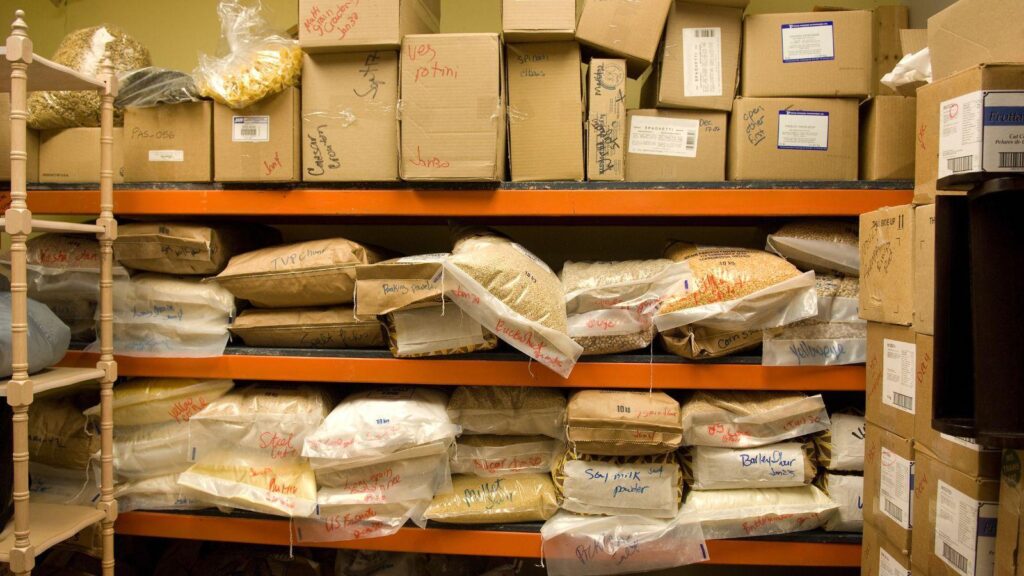
Mind storage conditions as well. Most dried botanicals keep best in cool, dry, dark environments in sealed, food-grade containers, away from humidity and direct light. Label every container with the product name, lot number, and receiving date so you can rotate stock on a first-in, first-out basis and trace any batch back to its COA. Good inventory hygiene protects both your margins and your ability to act fast in the rare event of a recall.
Treat Sourcing as an Ongoing Relationship
The best sourcing decisions are not one-time transactions. Once you find a supplier that delivers consistent quality, transparent documentation, and dependable logistics, invest in that relationship. Reliable partners often extend better terms, prioritize your orders during shortages, and give you early notice of price changes or supply disruptions — advantages that compound as your business grows.
At the same time, avoid becoming entirely dependent on a single source. Qualifying a secondary supplier for your top products protects you against interruptions and gives you leverage in negotiations. Revisit your due diligence periodically; certifications lapse, ownership changes, and quality can drift over time even with a trusted vendor.
Sourcing botanicals in bulk rewards the operators who do the unglamorous work: verifying documentation, reading lab reports, understanding local rules, and buying to real demand. Get those fundamentals right, and bulk purchasing becomes a durable competitive advantage rather than a gamble — a foundation of quality and trust that keeps customers coming back.