
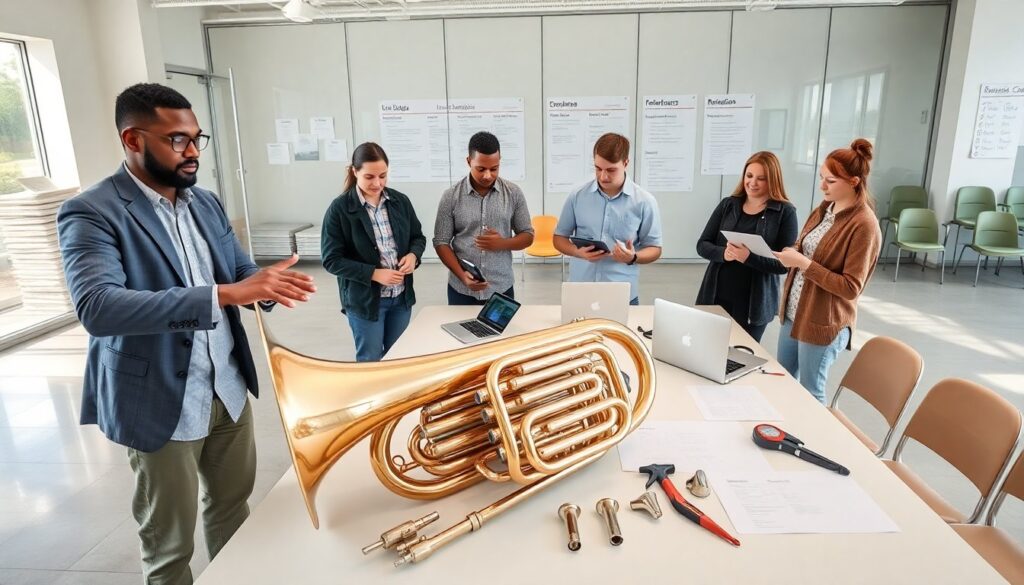
empowerment environment letsbuildupab tuba guides groups to start a community tuba project. The guide explains goals, roles, and basic steps. It focuses on music, teamwork, and growth. It sets clear expectations and simple actions. It helps leaders plan workshops, assign roles, and secure resources. It frames success as shared learning and visible progress.
Key Takeaways
- The empowerment environment letsbuildupab tuba encourages active participation by setting clear goals and inviting member contributions to build ownership and confidence.
- Successful community tuba projects rely on defined roles—such as instructor, technician, and outreach manager—and matching tasks to skills with a clear timeline and resource plan.
- Inclusive learning experiences with simple, sequential instructions and peer support enhance retention and foster small, visible achievements.
- Hands-on workshops and peer mentoring provide immediate skill gains and boost confidence through collaborative learning and practical instrument maintenance.
- Teamwork is strengthened by rotating leadership roles, setting public milestones, and celebrating progress to build morale and shared success.
- Tracking attendance, skills, and feedback sustains momentum and helps leaders adjust plans, recruit mentors, and align with community support programs for long-term impact.
Why An Empowerment Environment Matters For Community Music Projects
An empowerment environment letsbuildupab tuba shift group energy from passive to active. Leaders set clear goals and invite members to contribute skills. Participants gain ownership when they shape repertoire, repair schedules, or practice plans. This model raises confidence and keeps people engaged. Funders prefer projects with visible community benefit. Schools and sponsors see higher participation when roles feel meaningful. The empowerment environment letsbuildupab tuba makes music work a shared task rather than a top-down program.
Planning The “Let’s Build Up A Tuba” Project: Goals, Roles, And Resources
Planners define three core goals: teach basic tuba skills, build instruments or repair them, and grow teamwork. The team names clear roles: instructor, technician, logistics lead, and outreach manager. The project lists needed resources: instruments, mouthpieces, sheet music, repair tools, and a rehearsal space. The plan includes a simple timeline and budget. The empowerment environment letsbuildupab tuba succeeds when tasks match people’s skills. The plan also sets metrics for attendance, skills gained, and repaired instruments.
Designing Inclusive Learning Experiences
Designers create lessons that fit varied experience levels. They set short practice goals and clear demonstrations. They pair newcomers with returning players for support. They adapt pace to group needs and check understanding often. They ensure language stays simple and directions stay sequential. The empowerment environment letsbuildupab tuba improves retention when lessons build small wins and visible progress.
Hands-On Workshops And Peer Mentoring
Workshops let participants touch instruments and try simple notes. Mentors show proper posture, breathing, and basic fingering. Peer mentors lead small groups and give focused feedback. The program schedules repair clinics where members learn basic maintenance. The hands-on work gives immediate skill and a sense of competence. The empowerment environment letsbuildupab tuba grows confidence when people see quick results and help each other.
Fostering Teamwork, Confidence, And Skill Development
Coaches assign small ensemble tasks that need cooperation. They rotate section leaders so more people lead and learn. The group sets public milestones such as a short performance or community demo. Leaders celebrate small achievements and post progress charts. They coach positive feedback and specific praise for improvements. The empowerment environment letsbuildupab tuba strengthens group ties when success looks shared and repeatable. External examples show sports programs use similar public milestones to build habit and morale.
Measuring Impact And Sustaining Momentum
Teams track attendance, skill tests, and repaired instruments. They gather short surveys about confidence and teamwork. They report findings to partners and local sponsors. The group uses data to adjust schedules, workshops, and outreach. Leaders plan a follow-up cycle and recruit new mentors from graduates. The empowerment environment letsbuildupab tuba sustains itself when measurement guides choices and when alumni return as mentors. The project can align with community service programs such as NBA Cares programs to show civic impact and attract support.