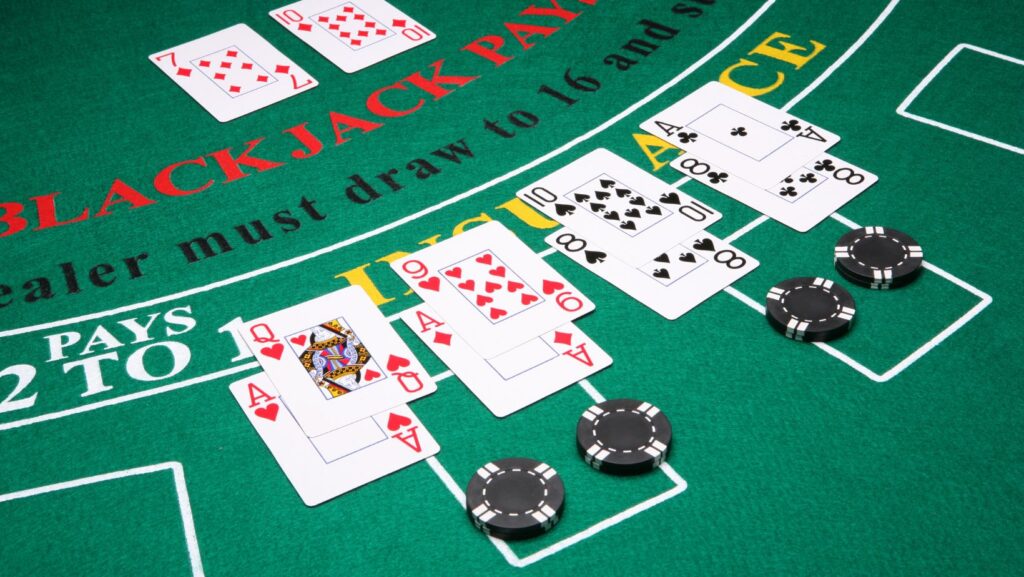

Online casinos don’t really start when a slot spins or a dealer says “no more bets.” They start in the lobby, that first screen full of tiles and categories and “hot right now” banners. It’s the entrance hall. And like any entrance hall, it can either guide people calmly or shove them into a crowd. Want a quick look at how a modern lobby is typically structured, with categories, search, and game shelves built for browsing? Click through this website and pay attention to what’s easy to find versus what takes effort.
The lobby is where decisions get made
Most players don’t arrive with a spreadsheet and a plan. They arrive with a mood. Kill ten minutes. Find a live blackjack table. Try something new. Play low stakes, nothing crazy. That’s normal. An organized lobby respects that reality. It gives fast answers to basic questions:
- What kind of games are available right now?
- Which ones are new, and which ones are just being pushed?
- Where are the low-limit options?
- How does someone get back to a game they liked yesterday?
When a lobby is messy, those questions don’t get answered. Players compensate by clicking randomly, and random clicking is basically the casino’s favorite kind of browsing.
“Organized” sounds boring, until it saves real money
Here’s the thing. Organization is not about aesthetics. It’s about preventing the common screw-ups that happen when people are rushed or distracted.
A disorganized lobby creates problems like:
- joining a live table with limits that are too high
- picking a high-volatility slot during a “just relax” session
- failing to find a specific roulette variant and settling for whatever shows up first
- forgetting the name of a game and never finding it again
None of these are dramatic. They’re just friction. And friction in gambling products tends to get paid for with money and regret.
Choice overload is real, and casino lobbies are built on it
Casino libraries can be huge. Thousands of slots, dozens of live tables, endless variants. That sounds great until the brain hits a wall. Too many options can make people either quit or choose impulsively. Casinos obviously prefer the second outcome.
An organized lobby helps because it narrows choices without feeling restrictive. It’s the difference between a well-labeled supermarket and a warehouse with flashing signs.
The quiet win: less mental fatigue
When navigation is clear, the player spends less mental energy searching and more energy actually enjoying the game. It sounds small, but it changes the whole tone of a session.
Categories: the first sign a lobby is serious or sloppy
Every casino has “Slots” and “Live Casino.” That’s the minimum. The difference shows up in the next layer.
A useful lobby breaks things down in ways that match how people browse in real life, not how a developer thinks in menus.
Categories that actually help people
- New releases (and ideally, truly new)
- Popular or trending (with sensible sorting)
- Table games split into blackjack, roulette, baccarat
- Live casino split into classic tables vs game shows
- Jackpots (with clear rules if possible)
- Bonus buy / feature buy (where available)
When those sections exist and feel consistent, the lobby becomes navigable. When everything is thrown into one giant “Slots” bucket, browsing turns into endless scrolling, and scrolling is where discipline goes to die.
Search: the fastest feature, and often the worst built
A good search bar is a gift. A bad search bar wastes time and pushes users back into scrolling. Search should work for:
- partial game names
- basic terms like “blackjack” or “roulette”
- provider names (for players who follow studios)
- sometimes mechanics like “megaways” or “bonus buy,” if tagging is decent
If search only works for exact titles, it’s not search. It’s a guessing game.
Filters and sorting: the tools most players ignore, then complain about
Filters are where an organized lobby proves it’s not just pretty. They let players cut through the noise in seconds.
The most practical filters are also the least glamorous:
- minimum bet
- volatility
- provider
- features (autoplay, turbo, bonus buy)
- jackpots
- live tables by limit
Volatility and minimum bet do the heavy lifting. They decide whether a game fits the bankroll and the mood. Without them, it’s easy to land in a mismatch and blame “bad luck” for what was basically a navigation failure.
Game info panels: the difference between browsing and blind clicking
A tile is an ad. It’s designed to look tempting. That’s fine, but a serious lobby gives players a way to check the basics before launching a game.
What players should be able to see quickly
RTP
RTP is long-run theory, not a promise for tonight. Still, it’s a useful signal, and it shows whether a platform is comfortable displaying information that isn’t purely promotional. One detail worth knowing: some games have multiple RTP configurations. If that’s not explained anywhere, it’s not automatically shady, but it’s not ideal either.
Volatility
Low volatility generally means steadier, smaller wins. High volatility often means long quiet stretches and occasional big spikes. Neither is “better.” They’re different experiences, and the lobby should help players choose intentionally.
Bet range
A game with a high minimum stake can turn a casual session into a fast burn. Players don’t always notice this until after a few spins, which is exactly when it’s too late to pretend it didn’t matter.
Live casino: organization matters even more here
Slots forgive quick mistakes. Live tables punish them, mostly through frustration. Wrong limits, wrong rules, crowded tables, odd variants. Live casino should be treated like a separate venue inside the casino, and the lobby should reflect that.
An organized live section usually includes:
- tables grouped by minimum bet level
- clear labels for roulette type (European vs American)
- blackjack rule summaries (soft 17, surrender, number of decks)
- seat availability or table load indicators
Without those, players bounce from table to table like they’re channel surfing, and the experience stops feeling premium very quickly.
“Hot” and “New” labels: useful, but never neutral
A banner that says “Hot” is not a recommendation from a friend. It’s a placement decision. Often driven by promotions, tournaments, or what converts best. That doesn’t make it bad. It just means it should be read properly.
A smart approach:
- Use “New” and “Hot” to discover titles.
- Use filters and game info to decide if they fit.
- Assume “Popular” can be promo-driven unless proven otherwise.
If a lobby doesn’t separate discovery from decision-making, it nudges players into impulse mode.
Favorites and recently played: small features that change everything
These are not “nice extras.” They’re quality-of-life features. A lobby with favorites and recently played sections:
- helps players build a personal shortlist
- prevents repeated searching
- reduces the temptation to click random new games out of boredom
When those lists are missing, the casino forces rediscovery every session. That’s tiring. And tired users make poorer choices.
Organization also builds trust
Trust isn’t only about licensing badges and payment methods. It’s also about transparency in everyday navigation. Organized lobbies tend to make important things easy to find:
- provider names
- rules links for table and live games
- responsible play tools like deposit limits and time-outs
- support access that isn’t hidden in a footer maze
A messy lobby often hides the boring details. Players notice. Maybe not immediately, but the suspicion builds. And in online gambling, suspicion is poison.
Responsible play tools should not be buried
A casino can have all the right tools and still fail users if those tools are hard to locate. Organized lobbies and account menus make responsible settings visible and usable.
Look for:
- deposit limits
- time-outs
- self-exclusion
- reality checks and activity summaries
These features improve the user experience because they reduce stress. People play better, and calmer, when limits are set upfront instead of negotiated mid-session.
What to look for in an organized lobby
- Clear categories and subcategories that match real browsing habits
- Search that works with partial names and common game terms
- Filters for volatility, minimum bet, provider, and features
- Game pages with visible RTP and bet range information when available
- Live tables grouped by limits, with variant and rule labels
- Favorites and recently played lists
- Promos that don’t hijack navigation
- Responsible play tools that are easy to reach
If most of that is missing, it’s not “minimal design.” It’s weak design, and weak design tends to cost players time and money.
How to use a lobby smartly
A lobby can be organized and still be misused. Here’s a simple routine that keeps browsing from turning into a spiral:
- Decide the session type first: slots, live tables, or jackpots.
- Apply one filter that matters today: volatility or minimum bet.
- Open 3 games, check the info, then pick one.
- Start at minimum stake, especially on unfamiliar titles.
- Favorite anything worth returning to.
That’s it. No drama, no endless scrolling, no “how did an hour disappear?”
Bottom line: organization protects players from chaos they didn’t ask for
An organized casino lobby matters because it keeps the session under control. It reduces mismatches, cuts decision fatigue, improves discovery, and makes a platform feel more trustworthy. The best lobbies don’t just show games. They guide players to the right game faster, with fewer mistakes along the way. In a space built on temptation, a clean map is not a luxury. It’s the difference between playing intentionally and getting dragged around by the loudest thumbnail on the page.