
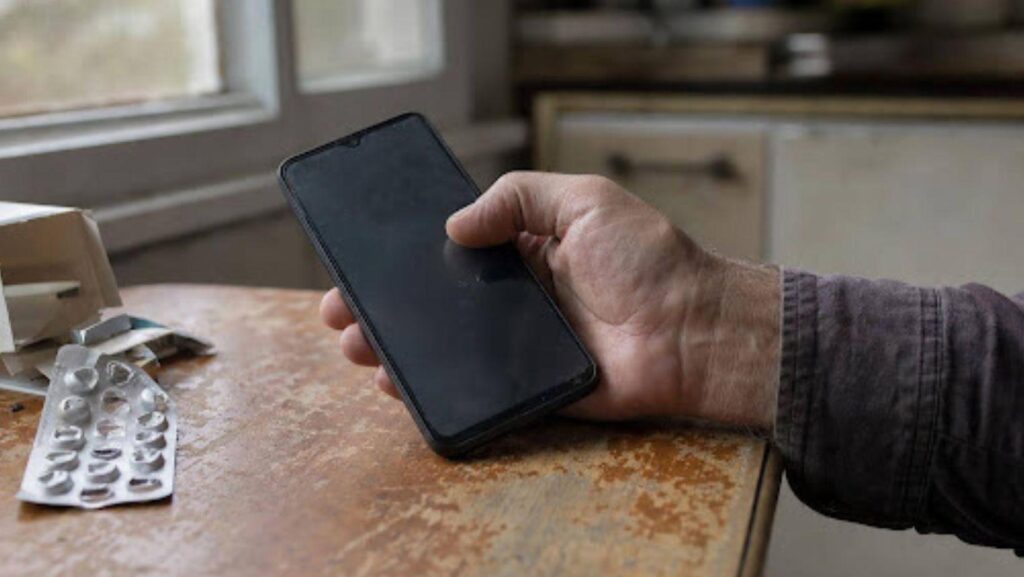
Your partner stopped drinking three days ago. Now they are shaky, sweating, unable to sleep, and snapping at everyone in the house. You are not sure whether this is an expected withdrawal response or something that needs urgent medical care.
That uncertainty can make an already difficult situation more frightening. The priority is to recognise warning signs, know who to call in Victoria, and support your loved one without carrying the medical risk alone.
In a clinical setting, detox means managing withdrawal while the body adjusts to the absence of a substance. It may involve medical monitoring, medication, and psychological support. Victoria’s Better Health Channel advises that withdrawal from alcohol and benzodiazepines can be life-threatening, so a medical assessment should come before any attempt to stop.
What “detox” means in Victoria
Withdrawal support in Victoria’s alcohol and other drug system is available in several settings. Hospital inpatient withdrawal takes place on a ward with medical and nursing staff present. Residential withdrawal units provide 24-hour support outside a general hospital, often through a short admission. Ambulatory or home-based withdrawal allows the person to remain at home with regular clinician contact and suitable family or household support.
The right setting depends on the substance involved, expected withdrawal severity, physical and mental health, previous withdrawal experiences, and the safety of the home environment. DirectLine is a useful first contact if you need to describe what is happening and find an appropriate local service.
Signs that mean calling 000 now
Do not wait for symptoms to become worse if you notice any of the following. Call Triple Zero (000):
- A seizure, convulsion, or collapse.
- Severe confusion, extreme agitation, or seeing or hearing things that are not there.
- Chest pain, slow or difficult breathing, or difficulty waking the person.
- Talk of suicide or self-harm, or an immediate risk that the person may hurt themselves.
Ambulance Victoria advises calling Triple Zero for urgent medical help, including during a seizure. Delirium tremens, a severe form of alcohol withdrawal involving confusion, agitation, and hallucinations, is also a medical emergency. It typically develops two to five days after alcohol use stops. When you call, explain what the person has been using, approximately how much, when they last used it, and whether they take other medications.
Alcohol: when professional withdrawal care is needed
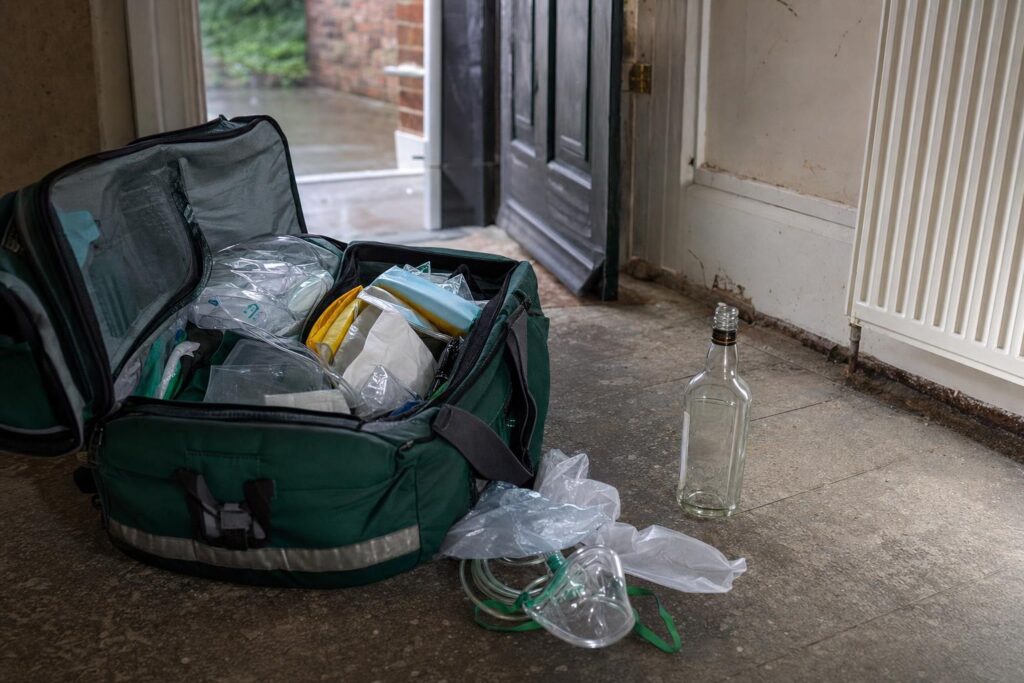
Alcohol withdrawal commonly begins 6 to 24 hours after the last drink and may start before blood alcohol reaches zero. Seizures can occur early in withdrawal, while severe confusion may develop later. This changing risk is why a medical assessment is important, even if the first symptoms appear manageable.
Supervised withdrawal is more likely to be needed when the person has:
- Experienced a previous seizure, delirium, or severe withdrawal episode.
- Been drinking heavily every day for an extended period.
- Used benzodiazepines or other depressant drugs alongside alcohol.
- Significant physical or mental health conditions.
- Thoughts of suicide or no reliable support person at home.
Victorian health guidance recommends hospital-based withdrawal for people with a history of delirium tremens or seizures, severe medical or psychiatric conditions, or a high suicide risk. Do not assume that a previous uncomplicated withdrawal means the next attempt will also be uncomplicated.
Benzodiazepines: why tapering needs medical guidance
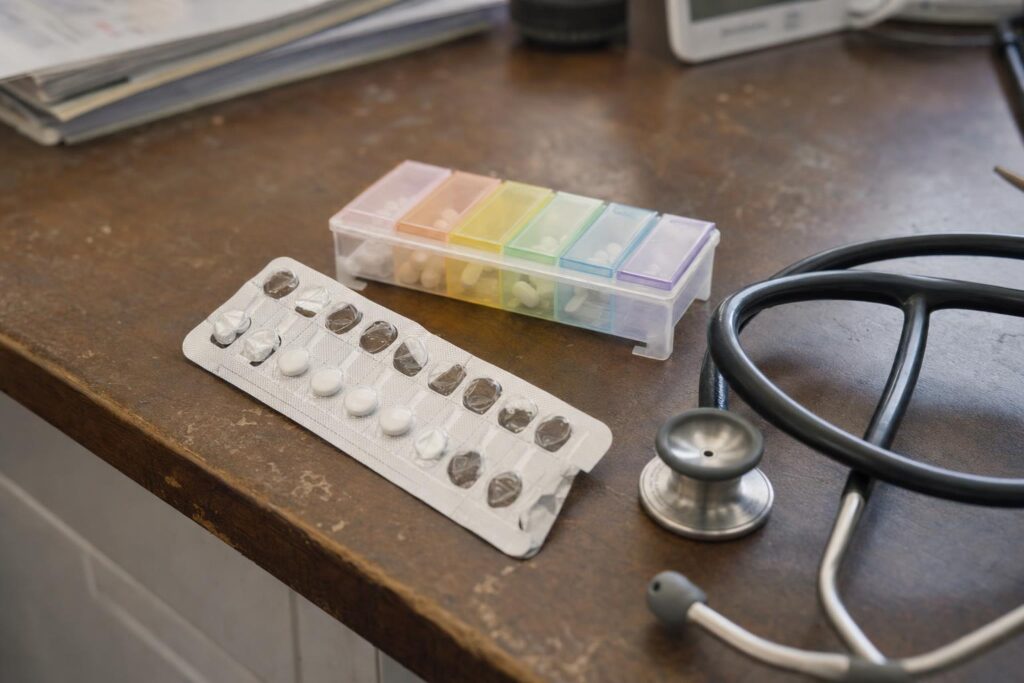
Benzodiazepines such as diazepam, temazepam, and alprazolam can cause physical dependence with regular use. Stopping suddenly may trigger severe withdrawal, including seizures. A doctor should assess the person and develop a gradual dose-reduction plan when appropriate.
Mixing benzodiazepines with alcohol or opioids increases the risk of breathing difficulties, overdose, and death. Give clinicians a complete and honest list of prescription medications, non-prescription drugs, alcohol, and other substances the person has used. Many benzodiazepine tapers can be managed in the community with a GP, but inpatient care may be recommended when there is polydrug use, an uncertain level of dependence, a neurological condition, or a history of seizures. Never adjust doses without medical advice or give the person someone else’s medication.
Other substances, briefly
Opioid withdrawal is often not life-threatening on its own, but vomiting, diarrhoea, dehydration, intense discomfort, and strong cravings can still create serious risks. Tolerance also falls during a period of abstinence, increasing the risk of overdose if the person returns to their previous dose.
Stimulant withdrawal may involve exhaustion, sleep changes, low mood, and suicidal thinking. Withdrawal from GHB can be severe and should be medically assessed. If the situation is not an emergency but you are unsure about the risks, contact DirectLine, healthdirect, or Nurse-on-Call.
Choosing the right setting
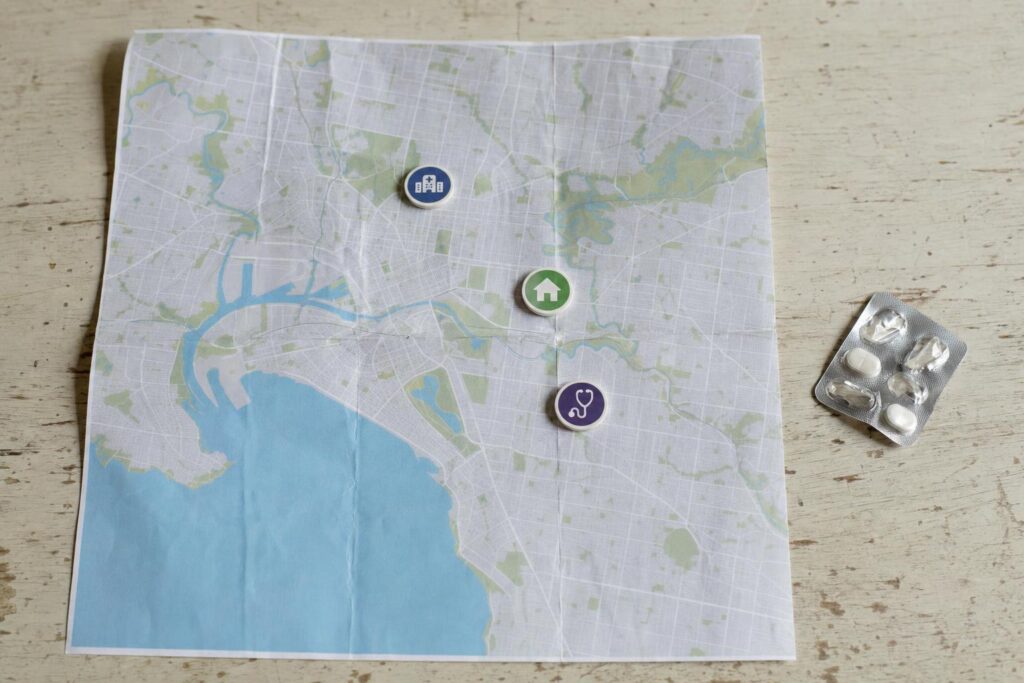
The main options can be understood as follows:
- Hospital inpatient care: Suitable when there is a history of seizures or delirium, an unstable medical or psychiatric condition, or a high suicide risk.
- Residential withdrawal: Appropriate when the person needs 24-hour support, has an unsafe or unsupervised home environment, or has had unsuccessful home-based attempts.
- Ambulatory or home-based care: May be considered for mild to moderate expected withdrawal when the person is medically stable, has a willing support person, and can attend scheduled clinical reviews.
The choice should follow a professional assessment rather than a decision made by the family alone. Public and private services operate within these categories. Detox Melbourne is one private, hospital-based option in the Macedon Ranges; its overview describes assessment, 24/7 monitoring, and transition planning, and should be compared with other services rather than used as medical advice.
How to help without doing it alone
Do: stay nearby during the period identified by the treating team; record what the person has used, how much, and when; keep an up-to-date medication list ready for clinicians; provide a quiet environment; and encourage a professional assessment. If the person is fully awake and able to swallow safely, keep water available. A supportive environment for recovery can include calm communication, clear boundaries, and professional support for both of you.
Don’t: offer “just a little” alcohol to ease symptoms; give them someone else’s prescription medication; assume confusion or hallucinations will settle without treatment; support an abrupt stop to benzodiazepines; or use withdrawal as the time to revisit past conflicts. A person experiencing withdrawal may have little capacity for a difficult conversation.
Local options in and around Melbourne
Government-funded services are a practical starting point for many families. DirectLine can explain referral pathways, while providers such as Uniting operate residential withdrawal services and Turning Point runs an inpatient unit. Youth-specific programs are also available for younger people.
Private services operate alongside the public system. Arrow Health’s service overview describes its assessment process, 24/7 nursing, medical oversight, and planning for care after admission. It is one option to compare rather than a substitute for individual medical advice. Fees, waiting times, eligibility, and expected length of stay vary, so ask direct questions and be cautious about guaranteed outcomes or fixed recovery timelines.
After detox: what supports recovery
Withdrawal care stabilises the person, but it does not treat dependence on its own. Continuing care may include residential rehabilitation, day programs, counselling, peer support, and medication prescribed for alcohol or opioid dependence. The most suitable combination depends on the person’s health, substance use, home environment, and goals.
Public and private providers, including Arrow Health, may include discharge and continuing-care planning in their programs. Before admission, ask how the service handles the transition out of withdrawal, what follow-up is available, and who to contact if symptoms or cravings return.
The short version
You do not need to diagnose withdrawal yourself. Learn the warning signs and call 000 immediately for a seizure, severe confusion, breathing problems, difficulty waking the person, or an immediate risk of self-harm. When the situation is not an emergency, call DirectLine for assessment and referral support. Focus on helping your loved one reach appropriate care rather than trying to manage withdrawal alone.