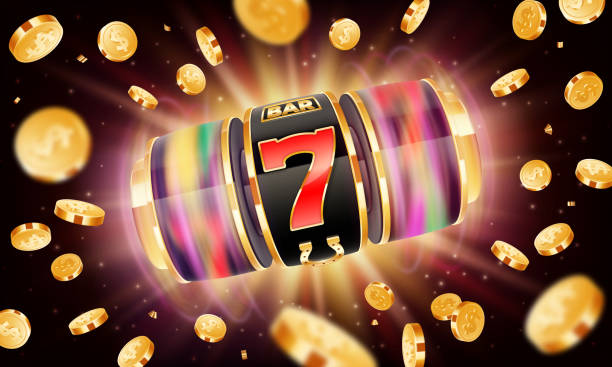
What makes a digital reel game feel active and responsive? Animated symbols, moving characters, changing backgrounds, and interactive scenes bring movement to the screen. They also provide clear visual feedback and make each feature easier to understand.
Animation can support the theme without changing the basic controls. It turns still artwork into short, colourful actions. Here are nine animated features commonly found in modern online slot games.
Symbol Animations That Respond To Events
Animated symbols provide immediate feedback during play. Their movements can show when a match or feature has appeared. Short effects keep the action clear and comfortable to follow.
1. Glowing Matching Symbols
Symbols may glow or display a bright border after forming a matching result. The effect directs attention towards the relevant area of the reels.
The glow can use colours that suit the theme. A magical symbol might release blue light, while a festival image could flash in several bright shades.
This animation is simple but useful. Players can quickly see which symbols are active without needing additional text.
2. Bouncing And Rotating Symbols
Some symbols bounce, turn, or grow slightly larger during an event. These movements give static images more energy.
The motion often matches the object. A ball may bounce, a wheel might rotate, and a bell can swing from side to side. This connection makes the animation feel natural within the theme.
The movement usually lasts only a few seconds. It adds variety and allows the next action to begin at a comfortable pace.
3. Symbol Transformation Effects
A symbol may transform into another image during a feature. It can change through a flash, fade, spin, or burst of colour.
Transformation effects make the screen feel responsive. Players can clearly watch one object become another and understand that the reel has changed.
Many สล็อตเว็บตรง titles connect these transformations to their themes. A closed flower may bloom, a plain gem can begin to shine, or an ordinary object might become a theme-based symbol.
Character And Background Animations
Characters and settings create the visual personality of a game. Their movement can add humour, atmosphere, and a simple sense of progress. These features also help connect separate screen events.
4. Expressive Character Reactions
Characters may smile, clap, dance, or point towards an important part of the screen. Their expressions give the game a friendly and playful mood.
A character can also react differently to various events. A chef might prepare a dish, while an explorer may open a map or move towards another location.
These actions can provide visual instructions. A pointing gesture or short movement often communicates an idea more quickly than a long message.
5. Moving Background Details
Background animation adds life without taking attention away from the reels. Clouds may move, waves can roll, lights might glow, and trees may sway.
Small details help create a complete setting. A beach feels more active when the water moves, while a festival becomes more colourful when decorations and lights respond.
These effects normally remain soft and steady. They support the mood while keeping the main symbols easy to view.
6. Scene Transitions
A game can move from one location to another through an animated transition. A door may open, a map might scroll, or the screen can fade into a new setting.
Scene changes provide visual variety. A village may lead to a forest, or a daytime setting might change into a bright evening celebration.
The reels can remain familiar while the background changes. This creates a sense of progress without adding complex controls.
Interactive Animations That Invite Participation
Interactive animation responds directly to a player’s selection. It may reveal an object, change the layout, or introduce a short activity. Clear cues make each feature simple to use.
7. Pick-And-Reveal Animations
A player may be asked to select a card, box, door, gift, or theme-based object. The chosen item then opens or moves through a short animation.
The objects can match the setting. A cooking theme might show covered dishes, while a travel game could present suitcases or map locations.
Platforms such as SAWA888 may group titles by their themes and interactive features. This type of arrangement can show how different games use selection activities, moving characters, and animated scenes.
8. Expanding Reel Animations
The reel layout may grow during a selected feature. Extra rows can slide into view, symbols might become larger, or another screen area may appear.
The expansion can follow the visual story. A theatre curtain may open to reveal more reels, or a castle gate might lead towards a larger layout.
Smooth movement helps players understand how the screen has changed. They can see each new section appear in a clear order.
9. Animated Progress Paths
A progress path may show a character moving across a map or completing several stages. Each stage can introduce a new colour scheme, background, or small activity.
The path gives separate scenes a clear connection. Players can see where the character has moved and what part of the theme is currently active.
Animation can mark each step. An icon may glow, a location might open, or a character can walk towards the next area. This creates visible progress and adds variety to the normal reel format.
Final Thoughts
Animation makes a digital game feel responsive by showing clear reactions to symbols, selections, and screen events. Glowing images, transformations, character movements, and changing settings all bring energy to the display.
Interactive scenes and expanding layouts provide additional variety. When every animated feature fits the central theme and remains easy to follow, the result feels colourful, active, and entertaining.