
Gas in infancy is common, with all babies experiencing it within the first two months of life. Sometimes infant gas can lead to fussiness and discomfort, which can be stressful for parents. While some gas is normal and unavoidable, persistent gassiness can be an issue. If your formula-fed baby is struggling with gas consistently, you may wish to consider trying a new gentle formula to help alleviate excessive gas.
Join us today as we explore what causes gas in the first place, symptoms to look out for, and how to choose the best formula for gassy babies!
Why Do Babies Get Gassy?
When it comes to the culprit behind infant gas, the main reason your little one gets gassy is that their digestive system is still maturing. This can make it difficult for infants to fully break down milk or food, leading to baby gas and discomfort. Additionally, feedings, sucking on pacifiers, and crying can cause babies to swallow air, which can further contribute to gas buildup.
However, sometimes gas can be caused by sensitivity to an ingredient in baby formula or, for breastfed babies, by foods in the mother’s diet, such as spicy foods or cruciferous vegetables. It’s also not uncommon to experience more gas when solid foods are being introduced.
Common Symptoms of Gas Discomfort
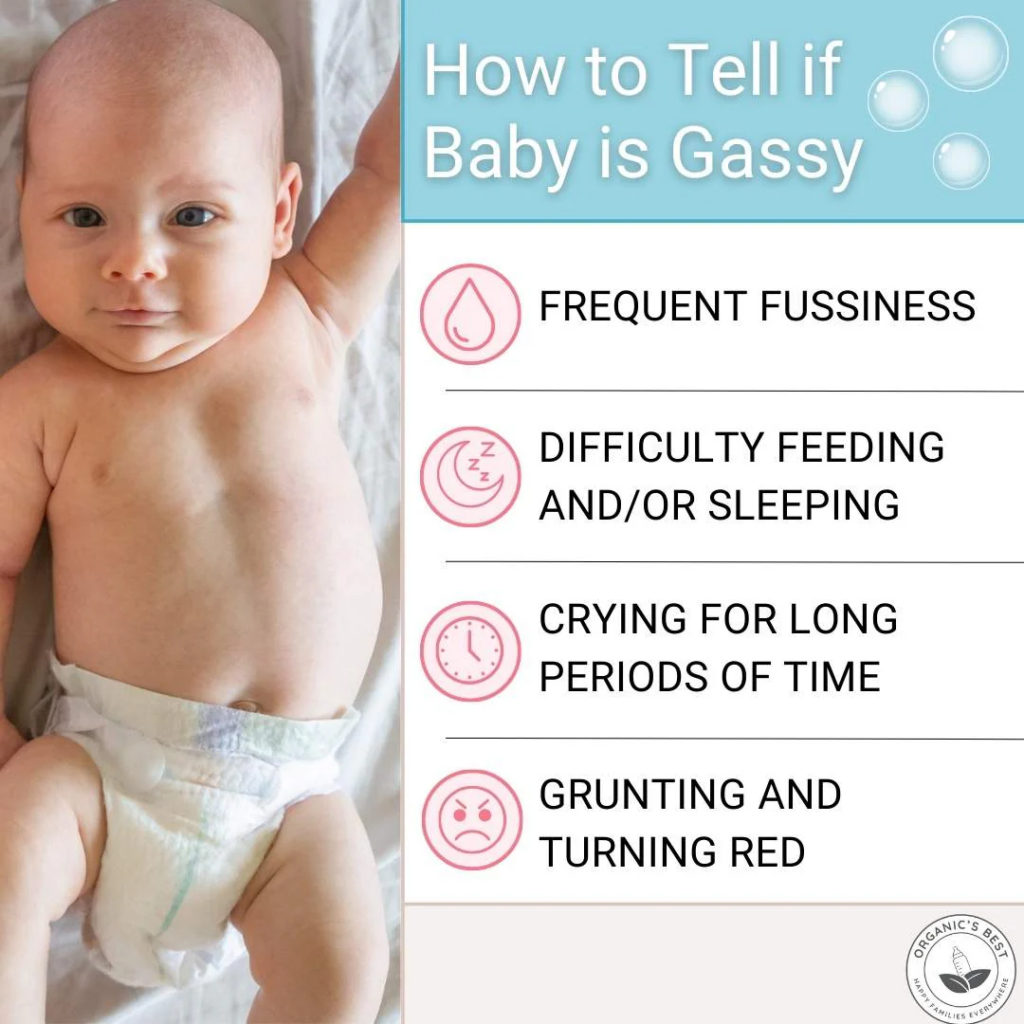
Now that you know what causes gas, let’s explore how to identify it. It’s important to be in tune with your baby’s cues; there are subtle hints they give you through their behavior that they’re dealing with gas. Here are a few signs to watch for:
- Consistent fussiness
- Trouble eating or sleeping
- Grunting
- Crying
- Turing red
- Increased irritability
- Squirminess
- Bloating
As long as your baby is feeding regularly, producing healthy stools, and hitting their growth milestones, these unpleasant symptoms are harmless. However, if you are concerned about your baby’s health or suspect formula intolerance, it is important to consult with your pediatrician.
Transitioning to a Gassy Baby Formula Safely
There are many at-home remedies to help relieve gas in babies, like burping, holding your baby upright after feedings, tummy time, bicycle legs, massage, and more. But if the root cause of gas is your little one’s diet, these strategies may not be fully effective.
If, after speaking with your doctor, it is recommended to make a change to your baby’s diet, there are a few gassy baby formula options that can address their issues. Goat milk and hydrolyzed milk formulas can offer increased tolerability and are known to be easier to digest.
Keep reading to learn about the best formula for gassy baby from premium European brands!
Top Formula Options for Gassy Babies
HiPP, Holle, and Kendamil are some of the most popular choices for parents seeking gentle formulas for their babies. These formulas are made with clean, high-quality ingredients. Let’s take a deep dive into their formula for gas.
Holle Goat
As an organic goat’s milk formula, Holle Goat milk formula naturally contains gentle A2 proteins, just like breast milk. A2 proteins are easier for tiny tummies to break down and are less inflammatory than the A1 proteins typically found in cow’s milk. Goat milk is also rich in oligosaccharides, which are prebiotic fibres that promote digestive harmony.
By using whole milk powder as the first ingredient and a source of healthy fats, this formula contains fewer added vegetable oils and it excludes palm oil entirely, ensuring a less-processed formula.
HiPP HA
This specialty hypoallergenic formula is designed for babies with cow’s milk protein sensitivities or a family history of allergies. However, HiPP HA formula may not work well for all babies with cow’s milk protein allergies, so be sure to consult your pediatrician before using this product.
The gentle formulation features extensively hydrolyzed whey, which means the milk proteins have been broken down into smaller, more digestible pieces. The recipe is also enhanced with prebiotics from lactose and probiotic cultures originally extracted from real breast milk. Lactose is the only carbohydrate in HiPP HA mimicking one of the key components of human milk for a gentle source of energy.

HiPP Comfort
This special milk is designed to help manage colic, constipation, and lactose-related 3-month colic. The extensive hydrolyzed whey base is the same as HiPP HA, but HiPP Comfort formula stands out for its lower lactose levels, partially replaced by starch and maltodextrin to address lactose sensitivity. Importantly, lactose is still present, and thus, this milk is not suitable for those with lactose intolerance.
This recipe also features beta-palmitate, which is a unique fat blend that helps soften stools. All versions include prebiotics, but only the German recipe adds probiotics to further promote gut health.
Kendamil Comfort
Kendamil offers yet another Comfort baby formula, gassy baby-friendly, that’s crafted to manage colic and constipation by promoting more regular bowel movements. The unique recipe offers a base of soluble dextrin (a hydrolyzed starch), partially hydrolyzed whey proteins, cream, whole milk powder, alpha-lactalbumin (a type of whey protein), and probiotics.
In keeping with the brand’s typical recipes, Kendamil Comfort is made without fish oil, palm oil, soy, or maltodextrin, and is certified vegetarian!
Visit Organic’s Best Shop for the Best Formula for Gassy Babies
Parents seeking the best formula options for their gassy babies can find all of these gentle formulas at Organic’s Best to help provide relief from gas, ensuring a happier feeding experience for your family. This family-run online shop specializes in European formulas and offers benefits such as insured express delivery in 2-7 business days, free shipping over $100 USD, and an attentive customer service team that includes medical doctors.
Remember, your pediatrician is the best source of information when it comes to infant tummy troubles, and should be consulted before switching to an infant formula for gassy baby, especially if you are considering HA or Comfort milk.