
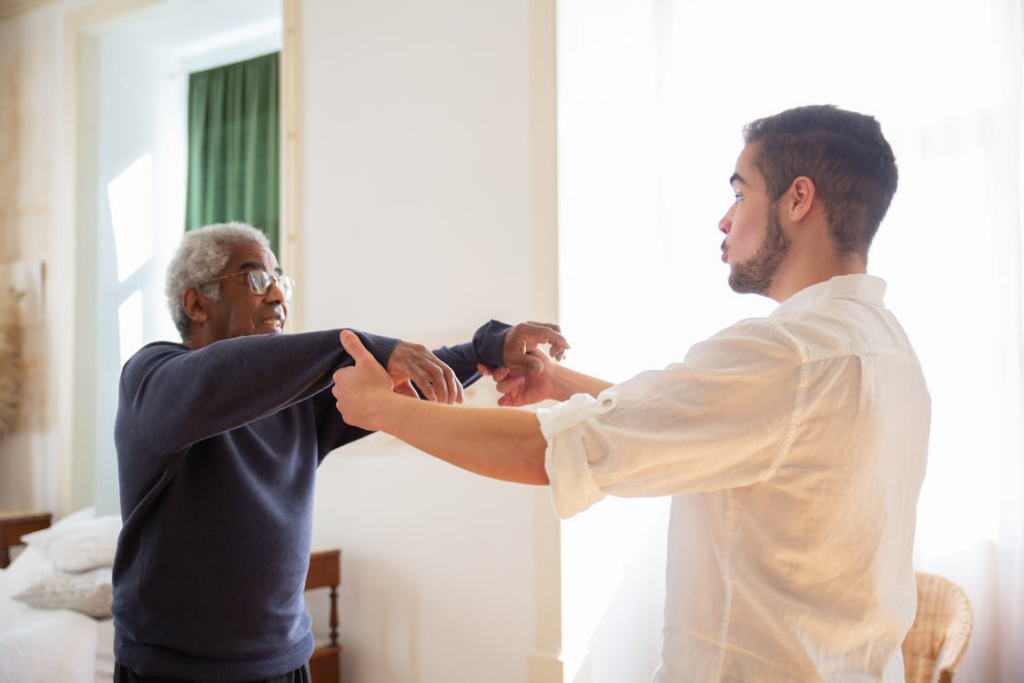
A hallway rug curls at the corner, and a slipper catches it during a night walk. The person steadies on a chair, but the wobble does not pass quickly for several seconds. Small moments like this happen at home, where help can be several minutes away at night.
Community projects often focus on keeping older adults safe, connected, and able to live at home. A medical alert system, such as Life Assure, supports that aim by shortening the time to help. It also reduces guesswork for families, neighbors, and volunteers who need clear next steps in stress.
How Alert Systems Work When Something Goes Wrong
Most alert systems start with a wearable button that connects to a staffed monitoring center. When the button is pressed, an agent answers quickly and asks direct, simple things right away. If the situation is urgent, the agent calls local emergency services and listed contacts immediately.
Many systems offer two way voice through a base unit or through the wearable device itself. That feature matters when a phone is across the room, or when hands shake after a fall. It also helps when a person cannot reach a keypad, or cannot unlock a screen.
Some devices include fall detection that can trigger an alert without a button press in some situations. Fall detection is not perfect, because some falls look like sitting, and some quick movements look like falls. Still, it can help when someone is hurt, disoriented, or unable to press the button at all.
The real strength is a repeatable process that works under stress and low light in real homes. A trained agent can stay calm, confirm details, and keep the person engaged until help arrives. That structure is useful when family members are far away, or when neighbors feel unsure.
Safer Independence And Fewer Long Delays
A clear benefit is staying active at home while reducing the risk of being alone after an accident. Seniors can shower, take out rubbish, or water plants without waiting for a scheduled check in call. That steadier routine often supports better sleep, better mood, and more willingness to move each day.
Falls are common and can lead to serious injury, especially when help is delayed for long periods. The Centers for Disease Control and Prevention shares practical fall prevention steps for older adults. Those steps include strength work, medication reviews, and home changes that reduce trip hazards inside rooms.
Alert systems do not prevent falls, but they can shorten the time between an event and assistance. Faster help can reduce dehydration, pressure injuries, and pain escalation after someone is on the floor. It can also lower anxiety, because a person knows they can reach support quickly without searching.
They also help with non fall problems that still become urgent within minutes during ordinary routines. Chest pain, breathing trouble, very low blood sugar, and sudden weakness can appear without warning at home. A single button press works when speech is strained, or when vision blurs from dizziness suddenly.
Support For Caregivers, Neighbors, And Local Helpers
Family caregivers often juggle work schedules, school runs, and travel time between homes each week. They want to respect privacy, but they also worry about missed calls and silent phones after hours. An alert system creates a backstop, so support feels calmer and less intrusive for everyone involved.
Community groups also rely on neighbors, volunteers, and building staff who do informal check ins often. If someone finds a senior confused, hurt, or unable to stand, the next step should be clear. An alert call creates a documented response path without asking a volunteer to judge medical severity alone.
Alert systems can strengthen local response when contact lists are built with care and updated regularly. Many seniors name one nearby contact for keys, pets, or quick entry, plus one remote contact for backup. This approach matters when the nearest family member is travelling, working nights, or caring for children nearby.
Good profiles also help first responders and building managers avoid delays at the door during entry. Notes can include gate instructions, lift access, and whether a dog may bark or block entry inside. These details sound small, but they save time during urgent calls for everyone involved nearby.
Choosing A System That Fits Real Life At Home
A good choice starts with how the senior lives and moves during a normal week at home. Some people spend time in a garden, while others stay indoors and need strong in home audio coverage. A system should match those habits, because unused devices do not help during emergencies at all.
Many seniors also prefer devices that feel comfortable and do not snag on clothing during movement. Ask whether the button can be worn as a pendant or on the wrist, based on preference and comfort. Comfort matters, because consistent wear is the difference between support and a missed chance later.
The National Institute on Aging offers guidance on caregiving and home safety for families. That material helps families think through hazards, medication routines, and warning signs that need faster response. Pairing those steps with an alert system keeps planning grounded and practical for daily life.
When comparing options, keep discussion points focused on daily use and emergency handling during real events. Write answers down, then review them with the senior in a calm moment at home. A short checklist keeps the talk factual and avoids drifting into pressure or fear during discussions.
-
Ask where the device works, inside the home only, or outside during errands and short walks.
-
Ask how charging works, and what happens when the battery runs low during the night.
-
Ask what the agent sees on screen, including medical notes, contacts, and entry instructions for responders.
-
Ask whether the device supports two way voice, and how well it works in a bathroom.
-
Ask what happens after a false alarm, and whether there are fees or repeated call limits.
Make It Part Of A Simple Safety Plan
After setup, run a practice call and confirm that the profile details are correct together. Practice saying a name, the issue, and whether the door can be opened safely from inside. Rehearsal makes the first real call smoother, especially when pain and stress make thinking harder.
A simple safety plan also includes habits that any community group can teach and share. Keep a phone list on the fridge, improve night lighting, and store medicines in one place. When these basics sit beside an alert system, seniors keep control while staying safer every day.
A practical takeaway is to treat alert systems as one part of a broader support plan. Combine them with fall prevention steps, updated contacts, and clear home access notes for responders. That mix supports independence at home while keeping help within reach when it is needed most.