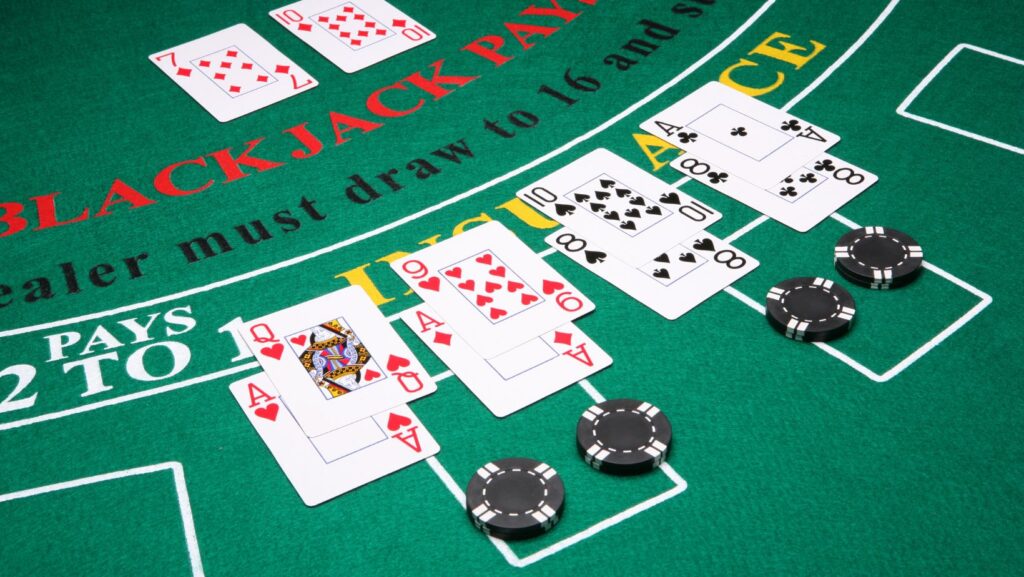

Think about the last time you sat around a table with friends, laughing over bad beats and celebrating lucky rivers. Maybe it was a Friday night home game, or perhaps you connected with players in online poker from across the globe. That moment wasn’t just about the cards-it was about connection.
Poker has this unique ability to bring people together in ways few other activities can match. The game creates a shared language, a common ground where strangers become friends and acquaintances turn into lifelong companions.
Understanding the Game – More Than Just Cards
Let me break this down. Poker is a family of comparing card games where players wager on the best hand according to hand rankings and the game’s rules. But reducing it to just that definition misses the bigger picture entirely.
Players can win in poker by either having the best poker hands or by convincing other players to fold their hands during betting rounds. This psychological element transforms every session into a social dance. You’re reading people, sharing moments of tension, and experiencing highs and lows together through multiple betting rounds.
The Popularity of Texas Hold’em in Social Settings
The most popular variant of poker is Texas Hold’em, which has become a staple in both online poker and live poker games. Its dominance isn’t accidental-the game strikes a perfect balance between simplicity and depth.
In Texas Hold’em, each player is dealt two private cards, and five community cards are dealt face-up on the ‘board’. Those shared cards create natural conversation points. Everyone’s looking at the same flop, turn, and river, discussing possibilities and sharing in the drama of whether someone might have a straight flush or full house.
Blinds are forced bets in many poker games, crucial for creating action and building the pot before the cards are dealt. The dealer button rotates clockwise after each hand, ensuring everyone takes their turn in each position. This structure keeps everyone engaged and invested from the very first hand.
- Easy to learn basics in under 10 minutes
- Shared community cards spark natural discussion
- Perfect for both casual home games and serious competition
- Accommodates 2-10 players comfortably
- Creates memorable moments everyone experiences together
- Balances luck and skill to keep all experience levels engaged
- Works equally well in person or online poker formats
A Brief History of Poker and Its Evolution
Poker has a rich history dating back to the early 1800s in the New Orleans area, evolving through various forms over the decades. What started as a riverboat pastime became an American tradition, then a global phenomenon.
The game spread along with American expansion, adapting to different communities and cultures. Each era added new variants, new poker strategy approaches, and new ways for people to gather around the felt.
The World Series of Poker – A Gathering of Friends
Every summer, thousands of players descend on Las Vegas for the World Series of Poker. Sure, they’re chasing bracelets and prize money. But ask any regular attendee what keeps them coming back-it’s the reunions.
The WSOP has become the world’s largest annual poker gathering, where professionals reconnect with old friends and amateurs meet their poker heroes. The hallways buzz with handshakes, hugs, and “remember when” stories about incredible poker hands like royal flush moments or devastating bad beats.
Many players schedule their entire year around this event. They’re not just planning a tournament trip-they’re organizing their annual reunion with a community that understands them in ways their regular social circles might not.
Building Connections Through Poker Communities
Modern poker communities exist everywhere-from local card rooms to online forums, from Discord servers to social media groups. These spaces give players somewhere to belong.
Online platforms have revolutionized how players connect. You can now join online poker games with friends across continents, discuss poker hands in real-time chat, and build relationships without geographical limits. Some players even use poker crypto options to play with international friends without currency conversion hassles.
- Online poker rooms with integrated chat features
- Local home game networks and meetup groups
- Strategy forums where players help each other improve poker strategy
- Social media communities sharing bad beat stories
- Poker podcasts creating parasocial connections
- Charity tournaments bringing communities together for causes
- Training sites where students become study partners
Poker can be played for fun or for real money, with many players enjoying free online poker games to hone their skills and learn hand rankings. These free games often become social hubs where beginners find mentors and experienced players give back to the community.
Playing Poker with Friends – Tips and Tricks
Want to strengthen friendships through poker? Start with the right setup. Whether you’re hosting in person or connecting through online poker, creating the right environment matters more than the stakes.
Keep the atmosphere light, especially for mixed-skill groups. Platforms that focus on poker with friends features make organizing regular games simple, handling the logistics so you can focus on the fun. Understanding basic poker strategy and hand rankings helps everyone enjoy the game more.
- Keep stakes appropriate for your group’s comfort level
- Rotate the dealer button and hosting duties to share responsibility
- Allow table talk and friendly banter between betting rounds
- Take breaks together for food and conversation
- Mix up game variants to keep things fresh
- Welcome new players with patience and guidance on poker hands
- Focus on fun over fierce competition

The Future of Poker and Its Social Impact
Technology continues reshaping how we connect through poker. Virtual reality poker rooms are emerging, promising to blend online poker convenience with in-person atmosphere. Mobile apps make impromptu games possible anywhere, allowing players to experience everything from high cards to four of a kind on the go.
Despite these innovations, the fundamental appeal remains unchanged. Poker creates a structured environment for unstructured social bonding through betting rounds and shared experiences. The cards and chips provide the framework, but the real game is human connection.
The future of poker isn’t just about better graphics or bigger prize pools-it’s about finding new ways to bring people together around a shared passion. As long as people crave authentic social experiences, poker will continue evolving to meet that need.
You started reading this thinking about poker as a card game. Now you understand it’s really a friendship engine disguised as competition. The cards are just the excuse we need to gather, connect, and build relationships that last far beyond any single session. Next time you sit down at a table, remember-you’re not just playing poker, you’re investing in community.