
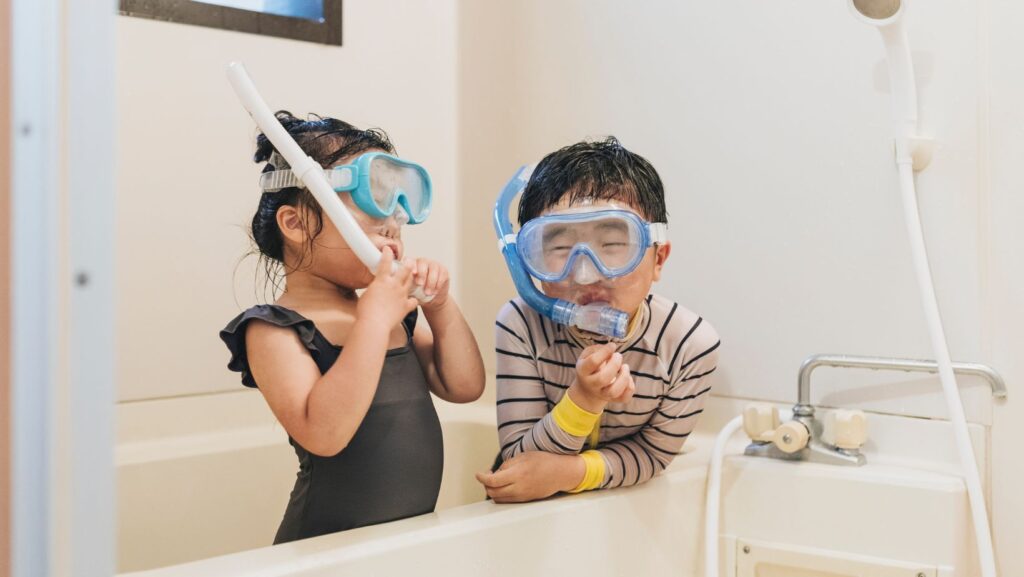
A family-friendly bathroom comes down to a few simple priorities.
- Prioritize safety and slip-resistant materials.
- Choose layouts that allow multiple people to use the space.
- Use neutral, timeless finishes that grow with your kids.
- Plan storage for both toddlers and teenagers.
- Focus on durability to reduce long-term maintenance.
A family bathroom has to work harder than almost any other room in the house. It is used during rushed mornings, messy bath times, and late-night routines. What works for adults does not always work for children, and a bathroom designed only for toddlers may feel outdated just a few years later. The goal of a kid-friendly bathroom is to create a space that is safe, durable, and flexible enough to grow with your family.
“My passion is to make remodeling your home seamless… Your satisfaction is my number one goal.”
That mindset is at the core of many family-focused remodeling projects. Contractors who regularly work with homeowners understand that the best designs are not just about looks. They are about making daily life easier, safer, and more comfortable for the entire household.
1. Start with safety and easy-to-clean materials
Safety should always come first in a kid-friendly bathroom. Slippery floors, sharp edges, and hard-to-reach fixtures can quickly turn a normal routine into a stressful situation. Slip-resistant tile, textured flooring, or waterproof luxury vinyl can help reduce the risk of falls.
Durability matters just as much as safety. Kids splash water, drop toothpaste, and treat bathroom surfaces like playground equipment. Choosing materials that resist stains, scratches, and moisture will keep the bathroom looking good for years.
2. Choose a layout that works during busy routines
Many family bathrooms become crowded spaces in the morning and at bedtime. A thoughtful layout can reduce stress and speed up routines. Double sinks are one of the most helpful upgrades because they allow siblings to brush teeth or wash hands at the same time.
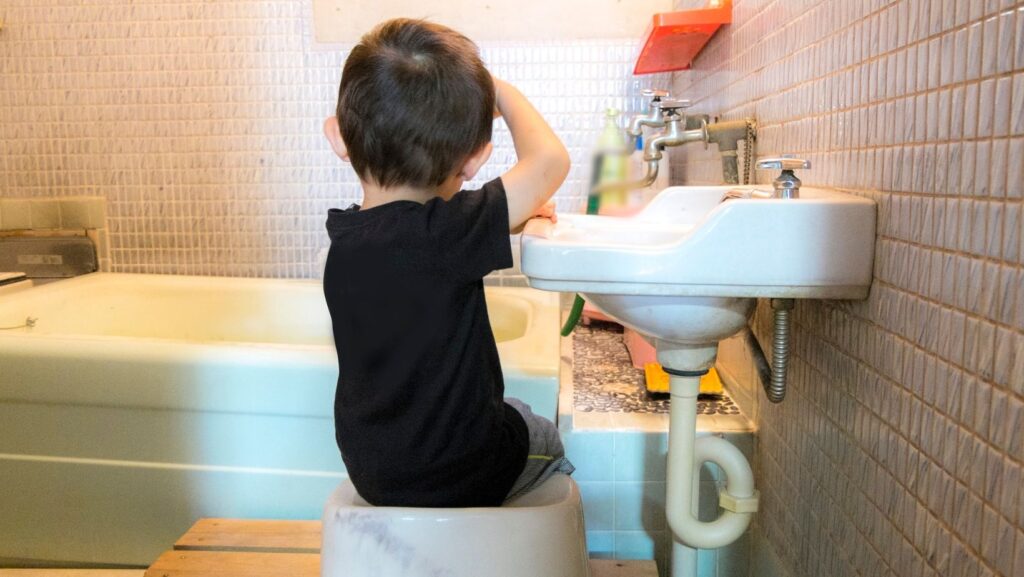
If space allows, separating the toilet or shower from the main vanity area can make the room more functional for multiple users. This simple change can make a big difference once children get older and need more privacy.
3. Plan storage that adapts over time
Storage needs change quickly as kids grow. Toddlers need space for bath toys and step stools. School-age children need drawers for toothbrushes and hair supplies. Teenagers need even more room for grooming products.
A mix of open and closed storage works best in most family bathrooms. Lower drawers can hold everyday items, while higher cabinets keep medicines and sharp tools out of reach. Adjustable shelving allows the space to evolve as your children grow.
4. Choose fixtures that are easy for kids to use
Small fixture decisions can make a big difference in how independently children use the bathroom. Lever-style faucet handles are easier for small hands than round knobs. Handheld showerheads make bath time easier for parents and are useful for cleaning the tub.
A tub-shower combination is usually the most practical solution for families with younger children. It allows for traditional baths in early years and quick showers later on.
5. Use timeless colors and finishes
It may be tempting to design a bathroom around your child’s favorite color or character, but those preferences change quickly. Instead of committing to bold, child-specific design choices, it is usually better to keep permanent elements neutral and timeless.
Light woods, soft grays, white tile, and simple patterns create a clean backdrop that works for all ages. Personality can always be added later with towels, artwork, and accessories that are easy to replace.
6. Focus on lighting and accessibility
Good lighting helps children become more independent. A well-lit vanity area makes it easier for them to brush their teeth, wash their hands, and get ready on their own.
Layered lighting, such as overhead lights combined with vanity fixtures, creates a brighter and more functional space. Step stools or slightly lower mirrors can help younger children reach comfortably, while the layout still works for adults and older kids.
7. Design for flexibility, not just today’s needs
The best family bathrooms are designed with the future in mind. Instead of focusing only on toddler-friendly features, think about how the space will function when your children are teenagers.
- Neutral color palettes that work for all ages
- Durable materials that hold up to daily use
- Layouts that allow multiple users
- Storage that can be reconfigured over time
If you are planning a remodel, it helps to review examples of family-focused bathroom remodeling projects to see how layout, storage, and materials come together in real homes.
A kid-friendly bathroom is not about bright colors or cartoon themes. It is about smart design that makes everyday routines safer, easier, and less stressful. When you focus on durability, flexible storage, and a functional layout, you create a space that works for toddlers, school-age kids, and teenagers without needing another major remodel.
With the right planning, your bathroom can grow with your family and stay practical for years to come.