
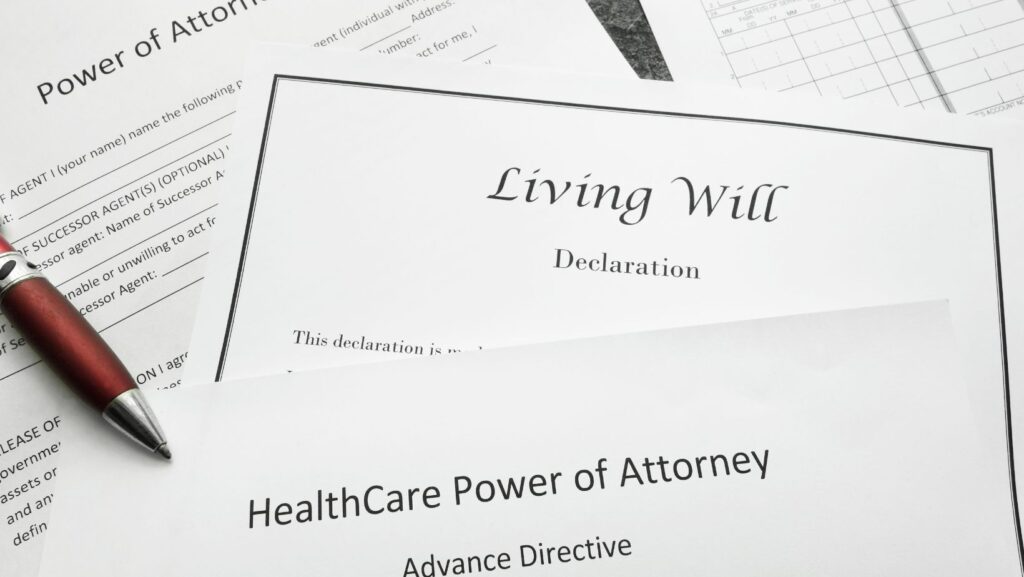
A living will is one of the most misunderstood estate planning documents, mostly because it has nothing to do with money or inheritance. Instead, a living will is about healthcare. It is a written document that explains your medical care preferences if you are unable to communicate or make decisions for yourself due to serious illness or injury. When families are under stress, this document can remove guesswork and help medical providers follow clear instructions.
So, what is a living will in practical terms? It is a way to put your treatment preferences in writing before an emergency happens. Doctors and hospitals use it when you cannot speak for yourself and your condition meets the criteria outlined in the document. This typically involves situations like permanent unconsciousness or end stage illness, where life sustaining treatment decisions may need to be made.
A living will often covers topics such as resuscitation, ventilators, feeding tubes, and comfort care. Some people use it to state whether they want aggressive measures in certain scenarios, while others focus on minimizing pain and prioritizing comfort. The key is clarity. A good living will is written in plain language and aligns with your values, so your loved ones are not left debating what you would have wanted.

It is also important to understand what a living will does not do. It does not name someone to manage your finances. It does not distribute property. It also does not automatically cover every possible medical situation. That is why many people combine a living will with related healthcare planning documents that address who can make decisions when the situation is not fully covered by written instructions.
Parents and caregivers often find this especially valuable. If something unexpected happens, the people closest to you may be asked to make difficult decisions in a short amount of time. A living will helps reduce conflict and stress by giving everyone a clear reference point. It can also help your medical team move quickly, because they are not waiting for agreement among family members.
Creating a living will is not something you only do later in life. Accidents and sudden health events can happen at any age. Putting this document in place while you are healthy allows you to think clearly and make decisions calmly. Once created, it should be reviewed periodically, especially after major life events, changes in health, or moves to a different state.
A living will is ultimately about control and peace of mind. When written thoughtfully and kept up to date, it helps ensure your medical care reflects your wishes, even when you cannot speak for yourself.