
Canada is a country of vast landscapes, multicultural cities, and a culinary tradition that blends indigenous roots, French and British heritage, and influences from immigrants around the world. While Canadian cuisine is as diverse as the nation itself, some dishes stand out as true icons—foods that evoke the spirit of the country, whether you’re in bustling Toronto, historic Quebec City, or a quiet prairie town.
This guide explores the most iconic Canadian foods, where they come from, and how to enjoy them in an authentic way.
Poutine: The Comfort Food Classic
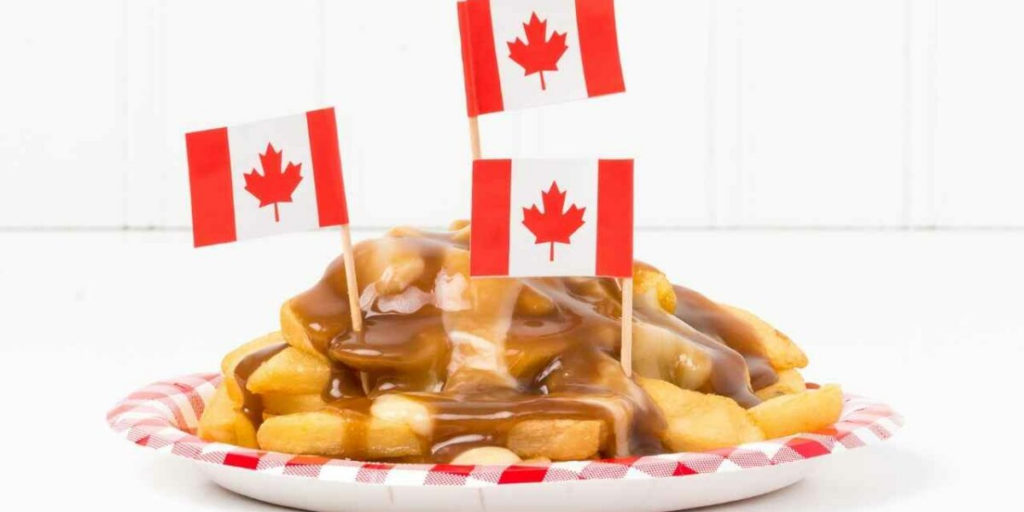
Few Canadian dishes are as instantly recognizable as poutine. Originating in Quebec in the 1950s, poutine is a simple yet indulgent combination of crispy fries, squeaky cheese curds, and rich brown gravy.
What Makes It Special
The magic of poutine lies in the texture contrast: hot, crispy fries, soft cheese curds that slightly melt under the gravy, and savory sauce that ties it all together. It’s comfort food at its finest, perfect after a long day or a late-night craving.
Where to Try
Quebec City and Montreal are poutine capitals, with each restaurant adding its unique twist—from pulled pork to smoked meat variations. Toronto and Vancouver also have excellent options, often with a gourmet spin, attracting food lovers much like sports fans flock to platforms such as bet365 sportsbook to enjoy the action off the field.
Maple Syrup: Canada’s Sweet Liquid Gold
Maple syrup is more than a condiment—it’s a symbol of Canada. Produced mainly in Quebec, maple syrup is tapped from sugar maple trees in early spring and boiled down to create the sweet, amber liquid Canadians love.
Culinary Uses
Drizzled over pancakes and waffles.
Added to baked goods like muffins and cookies.
Glazed on roasted vegetables or meats for a sweet-savory flavor.
Fun Fact
A single tree can take 30-40 gallons of sap to produce just one gallon of syrup, making it a labor-intensive but delicious treat. Visiting a sugar shack in Quebec during maple season is a must for an authentic experience.
Butter Tarts: Sweet Little Pockets of Joy
Butter tarts are a true Canadian classic, often described as a small pastry filled with butter, sugar, and eggs. Sometimes raisins or pecans are added, depending on the recipe.
Why They’re Iconic
The butter tart embodies simplicity and indulgence in one bite. It’s a dessert that Canadians grew up with, often found in bakeries, school cafeterias, and holiday tables.
Where to Taste
Ontario is famous for butter tarts, and there’s even a Butter Tart Trail in the province where visitors can sample dozens of variations.
Nanaimo Bars: No-Bake Layers of Delight
Named after the city of Nanaimo in British Columbia, Nanaimo bars are a layered dessert that doesn’t require baking. The bottom layer is a crumbly mixture of wafer and cocoa, the middle is custard-flavored butter icing, and the top is smooth chocolate.
Perfect for Any Occasion
These bars are sweet but not overwhelming, making them ideal for parties, picnics, or a cozy treat with coffee. They’re a must-try if you’re exploring western Canada.
Tourtière: A Taste of Quebec Tradition
Tourtière is a meat pie with French-Canadian roots, traditionally served during holidays like Christmas and New Year. The filling usually consists of ground pork, beef, or a mix, seasoned with spices such as cinnamon, cloves, and nutmeg.
Why It Matters
Tourtière is comfort food and cultural heritage in one. It reflects the influence of French settlers in Canada and is still enjoyed across the country, often with a side of ketchup or cranberry sauce.
BeaverTails: Fried Dough with Canadian Flair
Not literally tails of beavers, BeaverTails are fried pastries shaped like a beaver’s tail and topped with sugar, cinnamon, chocolate, or maple.
Street Food Icon
Originating in Ottawa, BeaverTails are a popular treat at winter festivals and tourist spots. They’re warm, sweet, and perfect for sharing while exploring snowy streets.
Regional Flavors: From East to West
Canada’s culinary scene is diverse, and regional specialties make the food culture even richer:
Atlantic Canada: Seafood reigns, from lobster rolls in Nova Scotia to fish and chips in Newfoundland.
Prairies: Hearty meat pies, bison dishes, and Saskatoon berry desserts.
Western Canada: Fresh salmon, wild berries, and indigenous-inspired dishes.
Northern Territories: Arctic char, caribou, and cloudberries reflect local traditions and ingredients.

Tips for Experiencing Canadian Cuisine
- Eat Local: Small bakeries, farmers’ markets, and food festivals often have the most authentic flavors.
- Seasonal Foods Matter: Maple syrup in spring, berries in summer, and hearty pies in winter give a true taste of Canada.
- Try Different Regions: Each province has its specialties, so don’t miss the chance to taste local variations.
- Pair with Canadian Drinks: Maple-flavored coffee, local craft beers, or ice wines complement many iconic dishes.
Why Canadian Food Stands Out
Canadian cuisine is not just about recipes—it’s about culture, geography, and history. Dishes like poutine and butter tarts tell stories of local communities, French and British heritage, and immigrant influences. Maple syrup reflects the land itself, a gift from the forests and the dedication of generations of producers. Eating Canadian food is tasting a country’s identity, one bite at a time.
Conclusion
Canada’s food scene is a journey of discovery, comfort, and flavor. From the indulgent layers of Nanaimo bars to the savory warmth of tourtière and the sweet simplicity of butter tarts, each dish offers a window into Canadian culture. Whether you’re visiting from abroad or exploring your own backyard, trying these iconic foods is an essential part of experiencing Canada.
Food in Canada is more than sustenance—it’s an invitation to connect with history, landscape, and community. And with so many unique dishes across the provinces, there’s always something new to savor.