
Imagine a packaging machine stopping unexpectedly in the middle of a production run, or an HVAC system failing during peak summer demand. While these incidents are unplanned, the real problem often starts at least a week earlier. A missed inspection, ignoring a critical warning sign, or failing to schedule a maintenance task can quietly lead to a costly disruption.
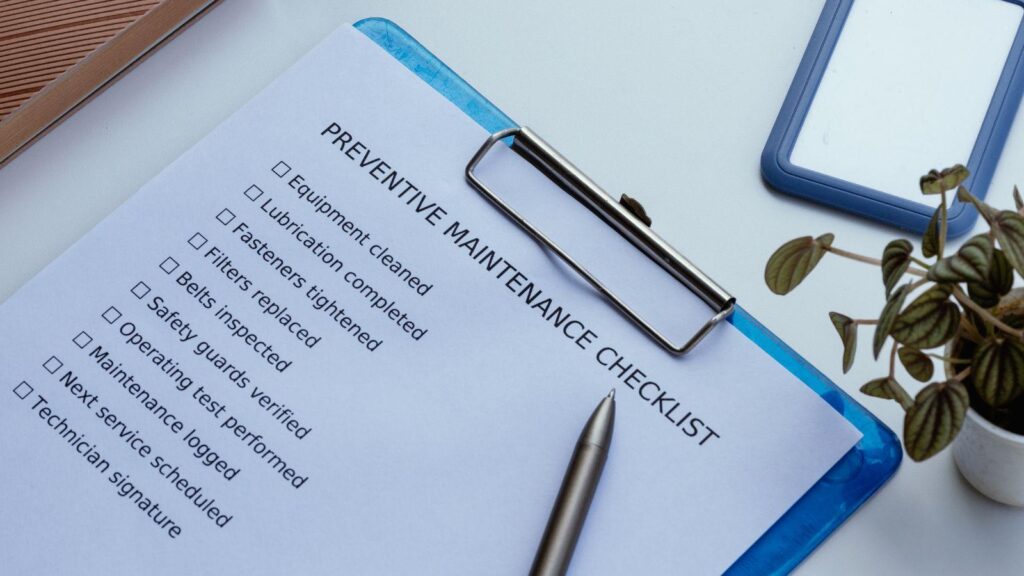
The real challenge for many businesses is not a lack of effort but a lack of consistency. Maintenance teams often juggle priorities and urgent requests to keep the entire operation moving smoothly. This is exactly where a preventive maintenance checklist becomes necessary to streamline facilities management.
A checklist creates a repeatable process, helping teams spot risks earlier, complete critical tasks on time, and prevent minor issues from becoming costly operational setbacks in the long run.
Maintenance Mistakes That Can Cost Businesses Big
When maintenance budgets are under pressure, businesses often focus on immediate concerns rather than long-term asset health. Unfortunately, these approaches end up costing more.
Let’s look at some of the most common mistakes that cause organizations to experience avoidable downtime, rising repair expenses, and declining equipment reliability.
Assuming Equipment Is Fine
Assumption is always the biggest mistake an organization could make. Many businesses end up thinking their operating equipment is healthy until one day things go terribly wrong.
Remember, machines can continue to function, with bearings wearing down, components loosening, and performance steadily declining. By the time you realize what the problem is, damage has already been done. Therefore, relying only on visible failures often leads to expensive repairs later that early intervention could have easily avoided.
Letting Maintenance Depend on Individual Memory
In many organizations, managers note critical maintenance tasks in their heads rather than planning them through a defined process and timeframe. As a result, technicians often miss important inspections when they are on leave, change roles, or become overwhelmed with work.
Not maintaining transparency in communication or record-keeping creates gaps in maintenance coverage. This further increases the risk of overlooked issues, affecting both equipment performance and operational efficiency and continuity.
Prioritizing Production Over Equipment Health
Facilities teams often delay maintenance to keep production running under tight deadlines. While you can achieve short-term production goals with this approach, it will eventually create larger problems.
Skipping actions such as lubrication, inspections, or component replacements will only allow wear to accumulate. As a result, the equipment will require longer, more expensive repairs than the maintenance that was originally postponed.
How Preventive Maintenance Checklist Fixes Them
A preventive maintenance checklist does more than just organize tasks. It creates a disciplined maintenance schedule, streamlines operations, and provides a reliable framework for reducing risks.
Here’s how businesses can gain greater control over equipment performance and teams’ productivity with a well-planned preventive maintenance checklist.
Creates Objective-Oriented Inspection Standards
A checklist simply removes guesswork from inspections by defining exactly what technicians should evaluate. Instead of relying on assumptions, teams can follow a structured process to identify potential wear, damage, and performance issues.
By detecting developing problems early, businesses take a corrective approach that is less expensive, less time-consuming, and less disruptive in every aspect.
Reduces Dependence On One Memory Alone
When maintenance procedures are well-documented in a specific checklist, individuals no longer need to rely solely on their memory for important tasks. Technicians have a clear idea of what needs to be done and by when.
As a result, responsibilities become clearer, records become easier to track, and maintenance never takes a setback, even when staffing changes or employees leave. Reduced missed activities ensure that personnel conduct important inspections with absolute precision, regardless of availability across the floor.
Helps In Prioritizing Critical Tasks
Some assets require critical attention, inspection, and timely fixes. You cannot sit back and assume. Instead, you need a preventive maintenance plan to streamline things and prioritize critical tasks without fail. A thoroughly planned maintenance checklist identifies areas that require the most attention and repair.
That way, businesses can allocate resources smoothly and aggregate activities based on operational importance, timeline, and other critical factors.
Businesses Can Shift Focus from Repairs to Reliability
Yes, businesses can finally shift focus from repair assumptions to a reliability-focused mindset. Why? They can now have a visible process and know how things will be executed. Instead of waiting for breakdowns to occur one fine morning, businesses actively work to prevent such workplace mishaps.
By acting early, you can avoid urgent fixes, extend the life of your equipment, reduce operational costs, and achieve a more reliable maintenance plan.
Final Thoughts
Minor oversights that may initially seem harmless give rise to costly maintenance failures. Delayed inspections, forgotten tasks, and reactive decision-making can compromise equipment reliability and lead to serious breakdowns that affect productivity and company reputation. Maintaining a preventive checklist brings structure to this chaos, ensuring fewer surprises and lower costs.