
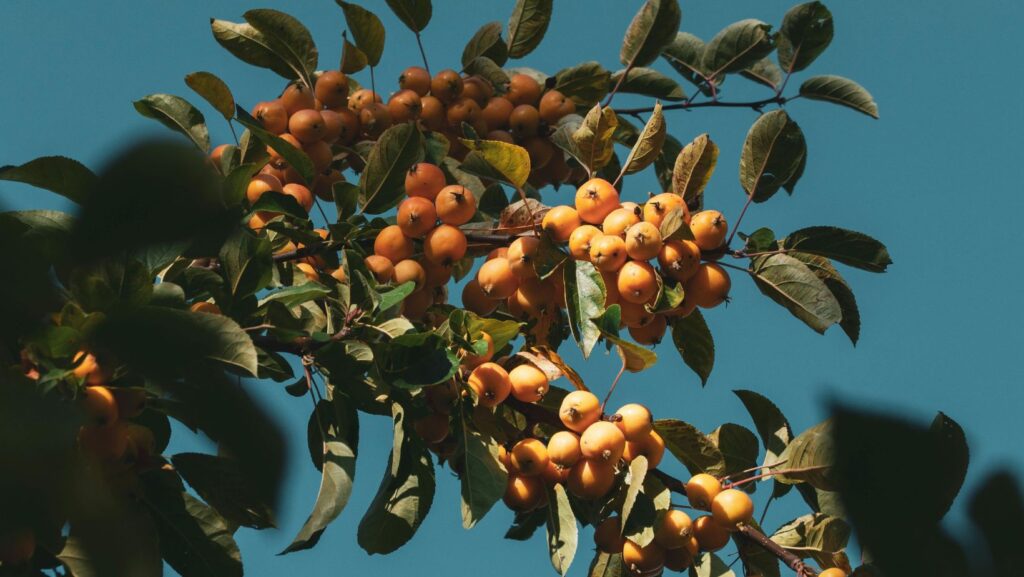
Spring Snow crabapple has pure-white blossoms, a clean appearance, and very little mess. If you are choosing a small ornamental tree, you need clear facts on size, care, fall colors, and fruit mess.
This quick guide explains what to expect from Spring Snow crabapple trees before planting and helps you make an informed choice.
What Makes Spring Snow Crabapple Special
The Spring Snow crabapple is a fruitless tree known for its showy, fragrant white flowers in spring. It doesn’t drop messy apples, so yards stay clean. The tree has a rounded shape that looks neat when trimmed and stays small enough for small yards or city gardens.
It attracts bees with its blooms and is easy to care for. These qualities make the Spring Snow crabapple a great choice for adding quiet beauty to your garden.
Spring Snow Crabapple Roots and Planting Tips
The root system of the Spring Snow crabapple is mostly shallow and fibrous. The roots spread out as the tree’s canopy grows wider. Unlike large maple trees, it doesn’t push with strong force, but the roots stay near the surface to access water.
Keep mulch around the trunk instead of letting grass touch the bark. Plant the tree a few feet away from any curbs to avoid problems. When planting near streets, a wider soil space between the sidewalk and road helps the roots get air and water.
Size, Shape, and Growth Rate of Spring Snow Crabapple
A mature Spring Snow crabapple tree grows 20 to 25 feet tall and spreads 15 to 20 feet wide. It fits well under most neighborhood utility lines and complements one-story homes without overpowering them.
Young trees start with an oval shape that broadens into a balanced dome as they age. The growth rate is moderate, about 1 to 1.5 feet per year after roots establish. In cooler areas, the tree stays smaller, while in warmer climates with good soil moisture, it grows taller and faster.
Flowers, Fruits, and Seasons for Spring Snow Crabapple
The Spring Snow crabapple blooms with beautiful white flowers in mid-spring. Its sweet-smelling petals attract bees. Since this tree is fruitless, you won’t have to deal with messy crab apples later.
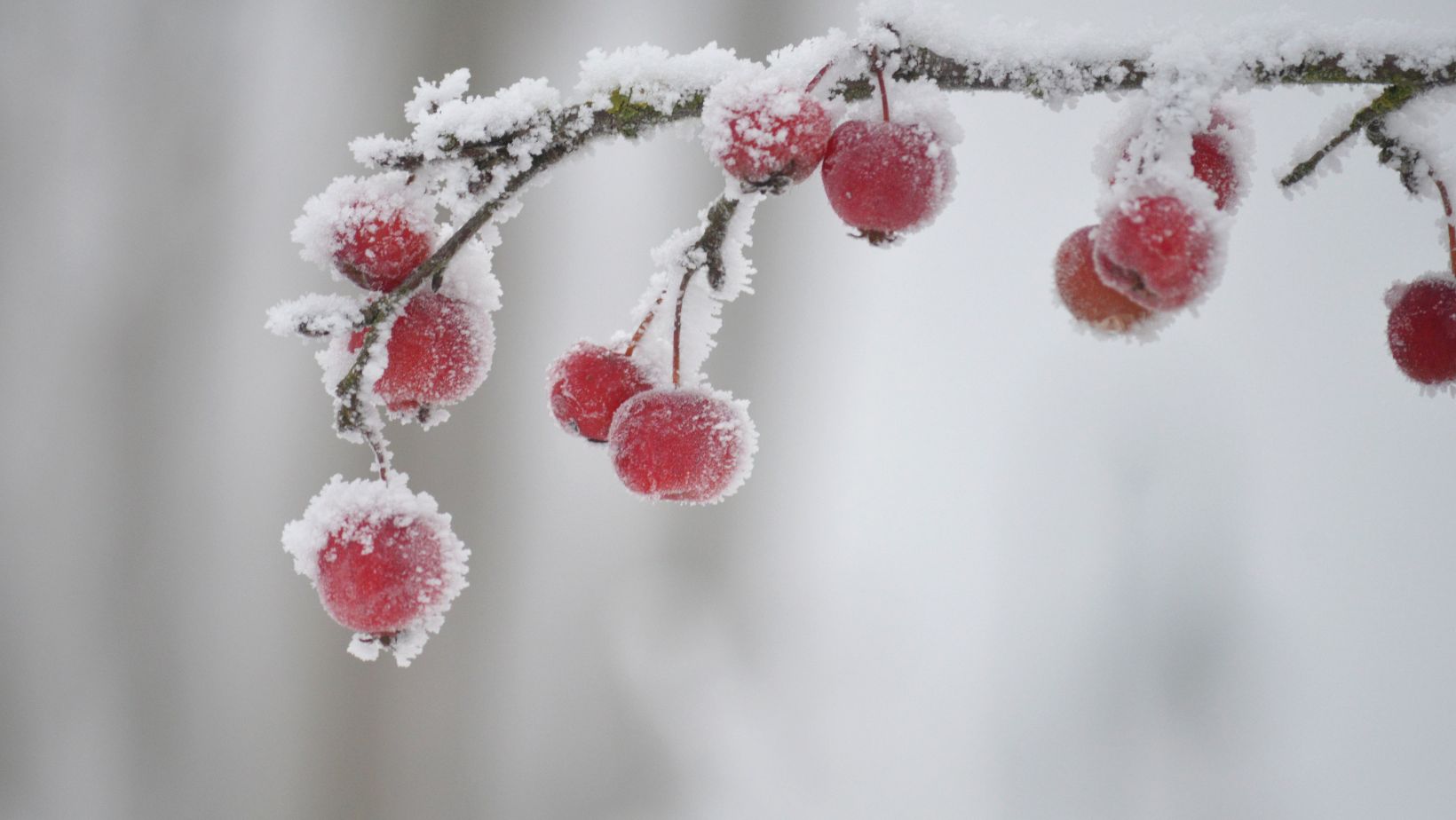
In the fall, Spring Snow crabapple leaves change from green to bright yellow, adding a warm look to your yard. The color lasts longest in dry autumns. In wetter areas, leaf diseases can cause early leaf drop, so proper care helps maintain vibrant fall color.
Ideal Growth Conditions for Spring Snow Crabapple
The Spring Snow crabapple tree needs full sun, with at least six hours of direct light each day. It grows in many soil types, including loam and clay, as long as the soil drains well. The soil pH should be slightly acidic to neutral for optimal health.
This tree is hardy in zones 3 to 7, making it perfect for northern and interior areas. In humid coastal regions, plant it where air can circulate, so leaves dry quickly after rain.
Tips to Care for a Spring Snow Crabapple Tree
When planting a Spring Snow crabapple, dig a hole as deep as the root ball and about twice as wide. Position the root flare just above soil level and fill the hole with native soil. Water slowly to settle the soil and remove any air pockets.
During the first growing season, water the tree deeply once or twice a week, adjusting for heat and rainfall. Once established, it requires only water during extended dry periods. Apply 2 to 3 inches of mulch around the root zone, keeping it a hand’s width from the trunk to maintain soil moisture and protect the bark.
Prune in late winter while the tree is dormant, making one clean cut at a time. Maintain a single main leader, space branches evenly, and remove any crossed or crowded twigs. Light pruning every year or two will help preserve the tree’s rounded, balanced shape.
Choosing the Right Spring Snow Crabapple
When choosing a Spring Snow crabapple, select a tree with a clear trunk base and evenly spaced branches. Avoid trees planted too deeply in their pots. Smaller trees often grow faster at first and catch up over time.
Ask whether the tree was pruned recently and if it was grown in a similar climate to reduce transplant shock. For a wider selection, check online crabapple tree nurseries to compare sizes and varieties.
Is a Spring Snow Crabapple Tree Right for You?
Choose a Spring Snow Crabapple tree for bright spring flowers and pleasant summer shade. It stays small, fitting well in smaller yards or formal gardens. The tree thrives in dry or windy areas with minimal care.
In wetter locations, plant it where it receives full sun and good air circulation. Clean up fallen leaves to maintain its health. Understand its growth rate, fall colors, and care requirements.