
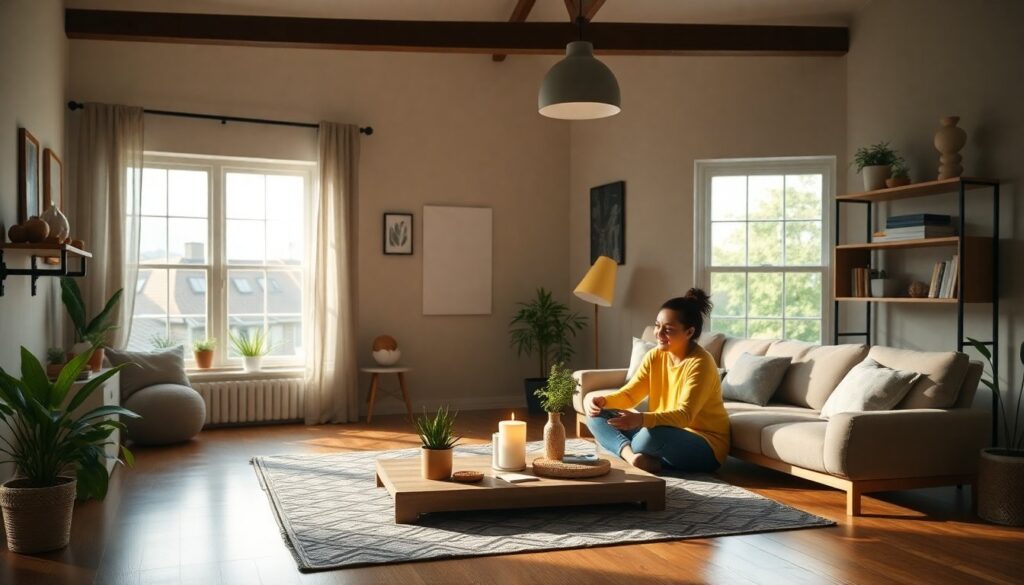
family letsbuild up wellness should start with a clear, shared goal. The family agrees on priorities and a simple daily routine. They set small targets for food, movement, sleep, and time together. Each person takes one concrete action each day. The home becomes a place that supports healthy habits and steady progress.
Key Takeaways
- Building family wellness starts with a shared, clear goal and simple daily routines that include food, movement, sleep, and quality time.
- Assign rotating roles for chores and wellness tasks to prevent burnout and keep the family engaged in healthy habits.
- Plan balanced meals with whole foods while involving children and teens in meal preparation to encourage mindful eating and life skills.
- Schedule age-appropriate daily movement, combining strength, balance, and cardio activities for overall health benefits.
- Establish consistent sleep routines with calming cues and screen limits to improve energy and mood for all family members.
- Hold weekly family meetings to foster communication, set screen time boundaries, and build emotional resilience through social support and crisis plans.
Create A Shared Family Wellness Vision And Daily Routine
They sit together and state a single wellness goal. Each person names one habit they will change. The family then writes the goal where everyone can see it. They set one short routine for mornings and one for evenings. The morning routine can include a glass of water, a brief walk, and a healthy breakfast. The evening routine can include device-free time, a family check-in, and consistent bedtime cues.
They assign clear roles for chores and wellness tasks. One person prepares breakfast on weekdays. Another person packs healthy snacks. They rotate tasks weekly so no one burns out. They use simple tools to track progress. A whiteboard in the kitchen works well. A shared calendar holds appointments and activity slots. They keep routines short and specific so the family can sustain them.
They celebrate small wins. The family marks three completed routines each week with a low-cost reward. They review the vision once per month and adjust it based on what worked. They keep language positive and concrete. The family frames change as practice, not perfection. Over time, these small actions add up and make the home healthier and calmer.
Nutrition, Movement, And Sleep Strategies For Every Age
They plan meals that use whole foods and simple recipes. The family focuses on vegetables, lean proteins, whole grains, and water. Parents model portion control and mindful eating. They batch-cook basics and keep healthy snacks visible. Children get hands-on roles like rinsing greens or setting the table. Teens help with simple meal prep to build life skills.
They schedule daily movement that matches each age. Young children get free play, older kids get team sports, and adults get 30 minutes of aerobic activity most days. The family aims for varied movement: strength, balance, and cardio. Groups can join local programs or use short home workouts. Research shows lifestyle choices like sleep, sunlight, and movement drive health outcomes: families can use that focus to guide choices in daily life (core drivers of health).
They set fixed sleep windows for each household member. Children get earlier bedtimes and consistent wake times. Teens get a wind-down routine that limits screens 60 minutes before bed. Adults replicate the same cues so the household stays aligned. They adjust light and noise to support sleep. They track sleep in simple charts and change one thing at a time. Small, steady changes improve energy and mood across the family.
Build Emotional Resilience: Communication, Screen Habits, And Social Support
They hold brief family meetings each week. Each person shares one highlight and one struggle. The group listens without judgment. They use short prompts to guide talk: “What went well?” and “What needs help?” They teach children simple emotion words and validate feelings. Adults model calm language and steady problem-solving.
They set clear screen rules that balance connection and focus. The family decides on device-free meals and one evening per week without screens. Children get timed access based on age and task completion. Teens earn extra time for household contributions. They place charging stations outside bedrooms to protect sleep and reduce late-night scrolling.
They build outside social support through local groups and events. Families can join community sports, school volunteer teams, or weekend play initiatives. Organized events encourage practice and social bonds: many leagues and programs run seasonal drives that welcome new families (PLAY BALL initiative).
They create simple crisis plans. Each home lists trusted contacts, meeting spots, and calming steps. They practice the plan twice a year. They also schedule regular one-on-one time so each family member feels seen. These practices supply steady emotional support and reduce stress over time.