
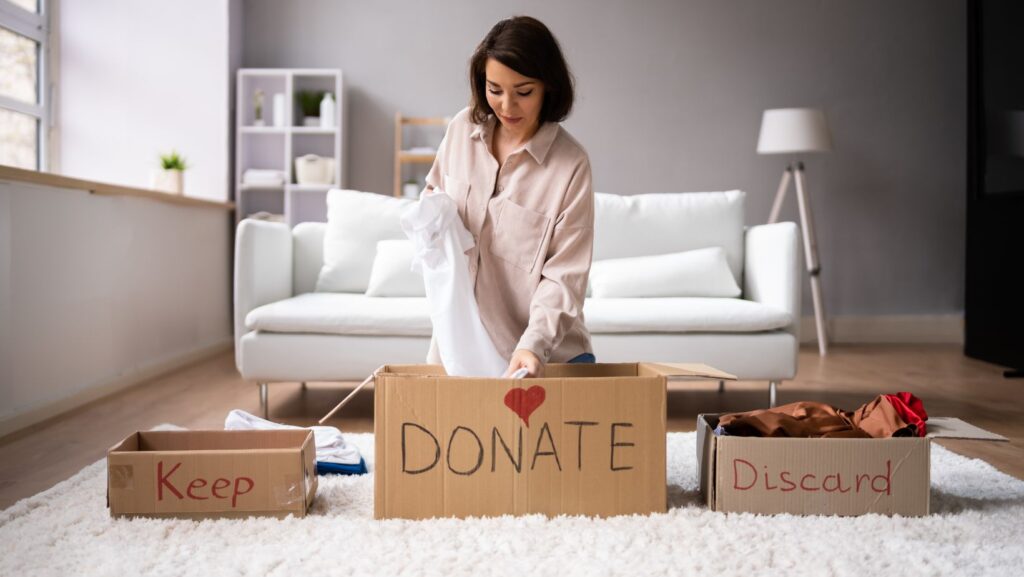
Productivity has a funny way of starting in unexpected places. Not in an app. Not in a perfectly color-coded planner. Often, it begins when you’re standing in a room that feels slightly too full, too many things, too much visual noise, and not enough mental space.
Most people don’t realize how much their environment shapes their thinking until they start clearing it. You move a few things. You open up a surface. You can suddenly see it again. And with that space, your mind starts to slow down too, just a little.
That’s where decluttering quietly meets personal growth. Especially when reselling enters the picture. What begins as a practical decision, “I don’t need this anymore”, often becomes a process of realignment: with your habits, your priorities, and how you move through your days.
The Link Between an Organized Space and a Productive Mind
There’s nothing dramatic about it at first. You clear a desk. A shelf. One corner of a room..
Clutter isn’t just visual..it’s mental. Every unfinished detail, every stack of “I’ll deal with this later,” creates friction. Not obvious stress. Just a low-level hum of distraction running in the background.
Once that noise goes away, a few things tend to happen naturally:
- Your decisions feel a little less scattered
- You’re not switching attention as often
- You feel more capable of starting small tasks
- You waste less energy just locating things
Even simple routines become easier to maintain because your environment isn’t working against you.
People also underestimate how motivating order can be. There’s a quiet confidence that develops when you actually see progress around you… not on a screen, but in the physical space you live and work in every day.
The Benefits of Reselling Items You No Longer Use
Once you’ve separated what you keep from what you don’t, there’s a moment where most people pause. Donate? Trash? Let it sit in another box?
This is where reselling often changes the whole dynamic.
Instead of things just “leaving,” they move with purpose. That old speaker that’s been gathering dust isn’t just disappearing; it’s becoming useful again somewhere else. The jacket you haven’t touched in two years turns into grocery money, savings, or a small line item toward a personal goal.
Reselling has a quiet psychological effect too. It makes letting go feel less like loss and more like an exchange.
And over time, you start seeing patterns:
- How much stuff did you once buy out of impulse
- How long do things actually last in your life
- Which purchases were genuinely worth it
That awareness sticks with you long after the items are gone.
Using Multiple Marketplaces Strategically
Not everything sells the same everywhere. Some platforms attract collectors. Others attract bargain hunters. Some work better for fashion, others for tech or homeware.
Figuring this out isn’t just about selling faster..it’s a small exercise in strategic thinking. You start reading patterns. Adjusting based on results. Testing what works and what doesn’t.
To make that process less fragmented, many people use a cross listing app to manage the same items across different platforms instead of manually recreating everything over and over again. It keeps things smoother, especially when reselling becomes part of a regular decluttering routine rather than a once-in-a-while thing.
This prevents going into burnout mode and makes the reselling experience a breeze for you in the end.
How Decluttering Improves Emotional Well-Being
Beyond productivity and money, decluttering often touches something deeper.
Letting go of emotional anchors
Some items carry memories. Gifts from past relationships. Clothes from old phases of life. Objects tied to goals you’ve outgrown.
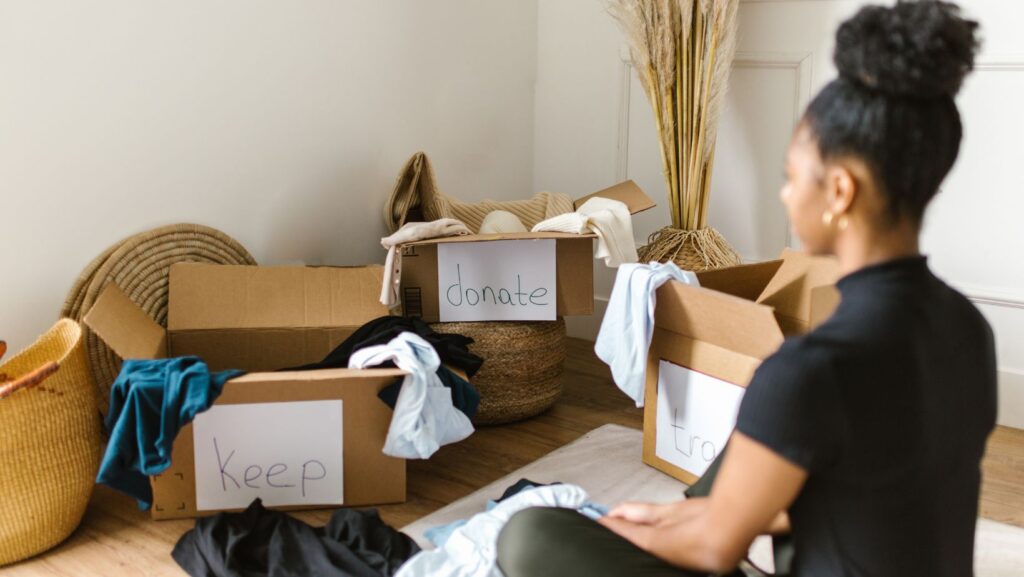
Decluttering doesn’t mean erasing the past. It simply means choosing which memories need physical space and which can live elsewhere..in your mind, your growth, or your story. We have all been there before, right?
Simple Steps to Start a Growth-Oriented Decluttering Routine
Lets break down a few tips to make this all easier on you:
Begin with manageable spaces
Instead of attempting your whole home, focus on:
- A single drawer
- A work desk
- One section of a closet
Finishing small spaces creates quick wins that build motivation.
Use clear categories
Keep decisions simple with structured groups:
- Keep – things you actively use or value
- Donate – functional items someone else could use
- Recycle – items beyond practical use
- Sell – items with remaining value
This system reduces indecision and keeps momentum going.
Set realistic routines
Instead of big one-day purges, try:
- 15–30 minutes a day
- A few sessions per week
- Specific goals like “5 items per session”
How Resale Earnings Support Personal Development
Investing in yourself
Many people put resale money toward:
- Skill-building courses or certifications
- Fitness memberships or home equipment
- Creative hobbies or tools
- Educational materials
It’s a direct line from your physical space to your personal development.
Building financial awareness
Reselling also teaches better money habits in subtle ways. When you start seeing what items are actually worth on the secondhand market, you become more conscious of what you spend, why you spend it, and what value really means over time.
Conclusion
Decluttering and reselling don’t change your life overnight. They just rearrange the conditions you’re living in, and sometimes that’s enough to shift everything else.
When your space becomes lighter, decisions become easier. When your habits become more deliberate, your time starts to stretch instead of shrink. And when unused things start turning into value, you begin to feel a stronger sense of control over both your environment and your direction.