
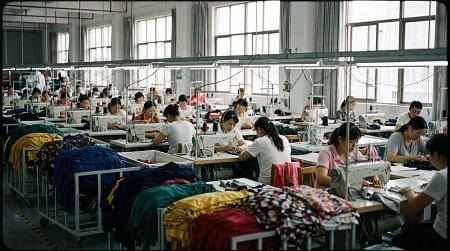
The first time I tried to find clothing manufacturers in China, I did what everyone does: I typed a few words into Alibaba, got eight hundred results, and sent the same message to the ten suppliers with the prettiest listing photos. Within forty-eight hours, I had ten quotes so different from each other — the highest nearly four times the lowest — that I genuinely couldn’t tell whether I was pricing the same product. That was my first lesson in Chinese apparel sourcing: the search itself is easy. Searching well is a skill, and nobody hands you the playbook.
More than a decade of sourcing trips, sample rounds, and a couple of expensive mistakes later, I want to give you the playbook I wish I’d had. If you’re trying to find clothing manufacturers in China — whether for your first small collection or to scale an established brand — this is how experienced buyers actually do it, including the parts most sourcing guides skip.
First, Understand How China’s Garment Industry Is Actually Organized
Here’s something that surprised me early on: Chinese clothing manufacturing isn’t spread evenly across the country. It’s organized into regional clusters, each specializing in particular product types — and knowing the map changes how you search.
- Guangdong province (Guangzhou, Dongguan, Humen) — the most versatile apparel region I’ve worked with, strong in woven garments, fast turnaround, and deep export experience
- Zhejiang province (Hangzhou, Ningbo, and the Zhili township, famous specifically for children’s clothing) — a genuine powerhouse for kidswear, knits, and mid-market fashion
- Jiangsu province — higher-end wovens and outerwear
- Fujian province — sportswear and knitwear territory
- Shandong and the north — denim, workwear, and heavier garments
Why does this matter to you? Because targeting your search geographically immediately improves your results. The first time I visited Zhili, I understood why kidswear made there is so competitive: within a few kilometers you have fabric mills, trim suppliers, printing houses, and a labor force that’s spent years on small-size construction and child-safety details. That ecosystem shows up directly in quality and lead times. When you find clothing manufacturers in China inside the right cluster for your product, you’re not just hiring a factory — you’re plugging into the whole neighborhood.
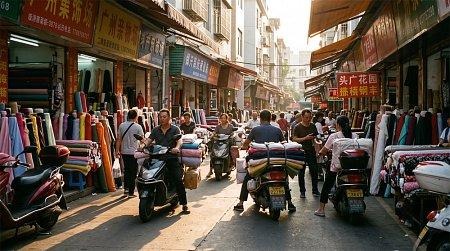
The Four Channels That Actually Work, Ranked by How Buyers Use Them
1. Online B2B Platforms — Your Starting Point, Not Your Finish Line
Alibaba, Made-in-China, and Global Sources are where most journeys to find clothing manufacturers in China begin, and used properly, they work. My rule: treat them as a directory for generating leads, never as a storefront for placing orders. Filter for verified suppliers with several years of history and real audit reports, then move the conversation into detailed technical territory fast. How a supplier answers questions about construction, tolerances, and testing tells you far more than any listing page ever will.
One structural thing I learned the awkward way as I worked to find clothing manufacturers in China through these platforms: a large share of the polished listings belong to trading companies, not factories. That’s not automatically bad — early on, a good trading company gave me consolidation and hand-holding a busy factory never would have. But you should always know which one you’re talking to, because it changes pricing, minimums, and — critically — what happens when there’s a problem.
2. Trade Fairs — Where My Best Relationships Started
The Canton Fair in Guangzhou, Intertextile Shanghai, and Hong Kong’s sourcing shows compress months of online vetting into a few days. You handle real samples, meet the actual people, and develop an instinct for which companies are professional operations versus booth-renting resellers. Two of my longest manufacturing relationships trace back to fifteen-minute trade show conversations. If you’re serious about how you find clothing manufacturers in China and your sourcing volume can justify the trip, I’ve never once regretted making it.
3. Sourcing Agents — Feet on the Ground, for a Price
A reputable China-based sourcing agent finds factories, negotiates in Mandarin, walks production floors, and manages quality control on your behalf — typically for 5–10% of order value. For first-time importers, and especially in compliance-heavy categories like children’s clothing, a good agent often pays for themselves by preventing a single bad production run. The catch: agents vary enormously. Vet the agent as carefully as you’d vet a factory — references, years in your specific product category, and full transparency about which factories they work with and why.
4. Referrals — the Channel Nobody Advertises
Ask brands adjacent to yours — similar product, non-competing market — who they manufacture with. Founder communities, apparel Slack groups, and LinkedIn are full of people willing to share real supplier experiences. A referral that comes with “we’ve done eight production runs with them” attached is worth more than a hundred platform search results, and it’s how I found the factory I still use for knitwear today.
How to Separate Real Manufacturers from Pretenders
Once you have a shortlist, verification is where good sourcing actually happens — it’s the difference between people who find clothing manufacturers in China and people who find expensive lessons. This is the exact checklist I run, in order:
Verify the company legally. Request the registered Chinese business name and license number, and confirm the business scope covers garment manufacturing. It takes minutes and quietly filters out a remarkable number of problems.
Ask for a live video factory tour. Not a pre-recorded video — a live walkthrough of the cutting room, sewing lines, and finishing area. Every real factory I’ve ever contacted could accommodate this within a day or two. Endless scheduling excuses tell you everything you need to know.
Request test reports relevant to your market. For kidswear headed to the US or EU, that means CPSIA-related testing for lead, phthalates, and flammability, or EN 71 / EN 14682 compliance in Europe, from recognized labs like SGS, Intertek, or Bureau Veritas. Factories with genuine export experience produce these instantly — I’ve had reports in my inbox within the hour. Blank stares are disqualifying. I go deeper on exactly what to ask for in our guide on how to find a reliable, high-quality children’s clothing manufacturer, which pairs well with this article if kidswear is your category.
Check social compliance audits. BSCI, Sedex, or WRAP reports show the factory has been independently assessed for labor conditions. Retailers increasingly require this — and frankly, it’s simply the right thing to insist on regardless.
Sample twice. The first sample shows capability. The revised second sample shows whether they listen — and in my experience, a factory that executes feedback accurately on round two is showing you exactly what production will feel like for the next three years.
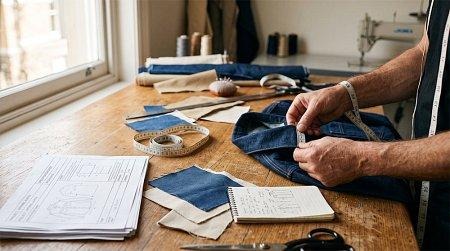
Structure the First Order Like a Test — Because It Is One
Even after great samples, I treat every first production run as an extended audition:
- Start with a modest trial run, even at a less attractive unit price — the information is worth the margin
- Use standard terms: 30% deposit, 70% against inspection or shipping documents. I walk away from anyone demanding 100% upfront, no exceptions
- Book a third-party pre-shipment inspection (roughly $200–350) before releasing the balance — the cheapest insurance in this entire industry
- Document everything: specs, measurements with tolerances, fabric composition, labeling, packing, dates, and defect allowances
None of this is adversarial. Professional factories expect all of it — and their comfort with the process is itself one of the most reliable positive signals you’ll get when you’re working to find clothing manufacturers in China worth keeping.
The Part Most Guides Leave Out: Factories Choose You Too
Here’s the uncomfortable truth I share with every founder who asks me about sourcing: good Chinese manufacturers evaluate buyers just as carefully as buyers evaluate them. Factories prioritize clients who send clear tech packs, respond promptly, consolidate feedback instead of drip-feeding changes, pay on schedule, and act like they’re building something long-term. Chaotic, slow-paying, spec-changing customers get quoted high, scheduled last, and eventually dropped — I’ve watched it happen from both sides of the table.
Being a good customer is a genuine sourcing strategy. Anyone can find clothing manufacturers in China; keeping the good ones is what separates durable brands from perpetual re-sourcers. It earns better pricing, priority slots in peak season, and the kind of goodwill that gets problems solved fast when — not if — something eventually goes sideways in production.
The Bottom Line
To find clothing manufacturers in China that you’ll still be working with five years from now, follow the process rather than your inbox: understand the regional landscape, generate leads through the channels that fit your size and category, verify rigorously, sample deliberately, structure early orders defensively, and invest in the relationship like it matters — because it absolutely does.
At Hapa Garments, we sit on the manufacturing side of this process every single day, producing children’s clothing for international brands with the compliance documentation, construction standards, and communication practices this article describes. If you’re sourcing kidswear and want a partner that already works the way a good sourcing guide says a manufacturer should — we’re easy to find.
Start the conversation at Hapa Garments, and if children’s clothing is your category, don’t miss our companion guide on finding a reliable, high-quality children’s clothing manufacturer.