

Natural history museums have long relied on fossils and skeletal reconstructions to tell the story of prehistoric life. While these scientific displays remain essential, modern visitors increasingly expect immersive and interactive experiences. Museums today compete not only with other educational institutions but also with digital entertainment and theme parks. To remain engaging, exhibits must feel vivid, realistic, and memorable.
One of the most impactful additions to contemporary exhibits is the dinosaur animatronic model. These life-sized recreations combine scientific research with advanced engineering to create moving, breathing representations of prehistoric animals. Instead of imagining how dinosaurs once lived, visitors can observe realistic motion, posture, and behavior in a way that deepens understanding and emotional connection.
Why Life-Sized Dinosaur Models Matter
Life-sized models serve a unique purpose in museum design. They bridge the gap between static fossils and full environmental storytelling.
Making Scale Tangible
Dinosaur skeletons provide measurements, but not everyone can easily visualize the living creature behind the bones. A full-scale model helps visitors immediately grasp:
- True body proportions
- Height comparisons with humans
- Length and posture
- Spatial impact within an environment
Seeing a towering model in person delivers a sense of scale that diagrams alone cannot achieve.
Supporting Visual Learning
Many museum visitors are visual learners. When information is paired with realistic models, retention improves. Life-sized displays make it easier to connect anatomical structure with behavior and movement.
From Static Displays to Dynamic Experiences
Traditional museum exhibits often relied on stationary displays and written explanations. While informative, these exhibits sometimes lacked energy. Modern installations integrate movement and environmental design to create immersive spaces.
How Dinosaur Animatronics Add Movement
A dinosaur animatronic model typically includes internal mechanical systems that allow controlled motion. These systems may simulate:
- Head and neck movement
- Breathing motions
- Tail swaying
- Mouth opening and closing
- Sound effects such as roars
Movement brings life to the exhibit without compromising scientific accuracy.
Enhancing Educational Impact
Life-sized dinosaur models are not simply decorative elements. They serve clear educational objectives.
Supporting Multiple Learning Styles
Museum audiences are diverse. Some visitors prefer reading text panels. Others respond better to sensory experiences. Life-sized models engage:
- Visual learners through detailed textures
- Auditory learners through synchronized sound
- Kinesthetic learners through immersive layouts
- Young children through interactive storytelling
By engaging multiple senses, museums increase accessibility and understanding.
Connecting Fossils to Living Behavior
Fossils show structure but not movement. Animatronic displays demonstrate how joints may have functioned and how posture influenced mobility. This allows visitors to connect skeletal evidence to real-world motion.
Increasing Visitor Engagement and Attendance
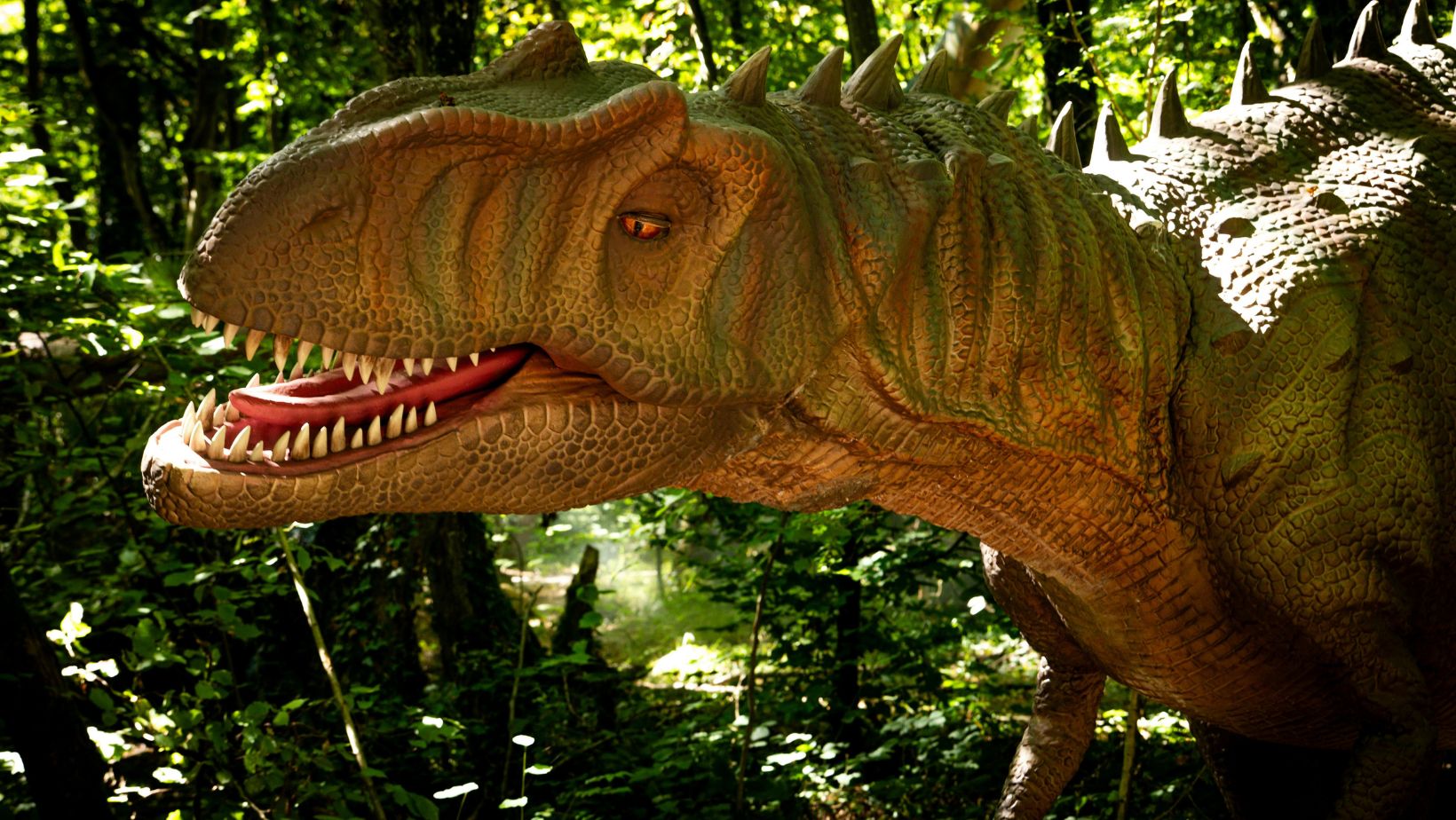
Museums must continually attract new audiences. Interactive elements often play a key role in driving attendance.
Creating Memorable Experiences
Visitors are more likely to remember exhibits that evoke emotion. Life-sized dinosaurs often inspire awe, curiosity, and excitement. These emotional responses encourage:
- Longer exhibit exploration
- Increased social sharing
- Repeat visits
- Stronger word-of-mouth recommendations
Families especially seek educational activities that are both informative and entertaining.
The Design Process Behind Life-Sized Dinosaur Models
Developing a realistic dinosaur animatronic requires collaboration between paleontologists, artists, and engineers.
Scientific Research as the Foundation
Accuracy begins with fossil studies. Designers analyze:
- Skeletal proportions
- Muscle reconstruction research
- Fossilized skin impressions
- Current paleontological theories
Scientific guidance ensures that the final model reflects current knowledge.
Engineering and Material Considerations
The mechanical system inside a dinosaur animatronic must be durable and safe for public spaces. Key considerations include:
- Stable internal framework
- Reliable motor systems
- Weather-resistant materials for outdoor exhibits
- Safe motion limits to prevent accidents
Durability is especially important in high-traffic museum environments.
Creating Immersive Exhibit Environments
Life-sized dinosaur models are most effective when integrated into themed environments.
Environmental Design Elements
A cohesive exhibit may include:
- Artificial vegetation
- Prehistoric terrain replicas
- Lighting effects that simulate ancient climates
- Ambient sounds such as wind or distant animal calls
These features support storytelling and transport visitors into another era.
Combining Technology and Interpretation
Digital screens, interactive panels, and augmented elements can accompany physical models. When combined thoughtfully, these tools create layered learning experiences.
Addressing Common Challenges
While powerful, life-sized animatronics require thoughtful planning.
Maintenance and Longevity
Museums must establish maintenance routines to ensure consistent performance. Regular inspections prevent mechanical wear and extend exhibit lifespan.
Balancing Entertainment and Science
The goal of a dinosaur animatronic display is to enhance education, not replace it. Effective exhibits place scientific information alongside dynamic models to maintain credibility.
Supporting STEM Education Through Exhibit Technology
Behind every animatronic model is a system of motors, sensors, and control mechanisms. Highlighting this technology introduces visitors to engineering principles.
Encouraging Curiosity Beyond Paleontology
Interactive displays can inspire interest in:
- Robotics
- Mechanical engineering
- Industrial design
- Programming and automation
This cross-disciplinary appeal expands the educational value of museum exhibits.
The Role of Specialized Exhibit Manufacturers
Museums seeking to upgrade their dinosaur displays often collaborate with companies that specialize in realistic animatronic design. Professional developers understand how to balance movement, detail, and durability for public environments.
Institutions exploring advanced exhibit options may review resources such as to understand how life-sized dinosaur animatronic models can be integrated into museum settings while maintaining scientific integrity and long-term reliability.
The Future of Dinosaur Exhibits
As technology advances, animatronic systems continue to evolve. Future developments may include:
- Enhanced motion realism
- Interactive visitor-triggered responses
- Improved skin textures based on new fossil discoveries
- Integration with augmented reality tools
These innovations will likely deepen immersion while preserving educational value.
Why Life-Sized Models Remain Essential
Despite advances in digital media, physical exhibits remain irreplaceable. Standing face-to-face with a full-scale dinosaur model creates a sense of presence that screens cannot replicate.
Life-sized displays offer:
- Tangible spatial awareness
- Real-world scale comparison
- Physical immersion
- A stronger emotional response
For natural history museums aiming to remain relevant in a digital age, these qualities are invaluable.
Conclusion
Life-sized dinosaur models have transformed modern museum exhibits by blending science, art, and engineering into immersive educational experiences. A well-designed dinosaur animatronic display does more than attract attention. It enhances understanding, supports diverse learning styles, and strengthens emotional engagement with prehistoric history.
By combining scientific accuracy with dynamic motion and environmental storytelling, museums can create exhibits that are both credible and captivating. As visitor expectations continue to evolve, life-sized dinosaur models will remain central to how institutions bring ancient worlds to life in meaningful and memorable ways.