
Raising healthy children isn’t about strict rules or perfect routines; it’s about the small, consistent choices parents make every day. From how meals are handled to how movement is prioritized, children absorb health habits simply by watching the adults around them. In a world filled with screens, busy schedules, and convenience foods, parents play a crucial role in shaping their children’s long-term lifestyle behaviors.
The good news? You don’t need to overhaul your life to raise health-conscious kids. You just need intention, consistency, and a realistic approach to wellness.
Why Parental Behavior Shapes Children’s Health Choices
Children are natural imitators. They learn far more from observation than instruction, which means parents’ everyday habits often have a stronger influence than verbal guidance. When kids see parents choosing balanced meals, staying active, and prioritizing rest, those behaviors become normalized.
This doesn’t mean parents must be flawless. In fact, showing flexibility, skipping a workout when needed, or enjoying occasional treats teaches children that health is about balance, not extremes. Modeling a sustainable lifestyle helps kids understand that wellness is a long-term commitment, not a short-term goal.
Teaching Health Without Obsessing Over Weight
One of the most impactful lessons parents can teach is separating health from appearance. Conversations focused solely on weight can unintentionally create pressure or negative body image, especially at a young age. Instead, parents can emphasize strength, energy, and overall well-being.
Some adults use tools like a DEXA body composition scan to better understand their health beyond the number on the scale. While children don’t need this level of measurement, the mindset it represents, focusing on muscle, bone strength, and overall composition rather than weight alone, can positively shape how parents talk about health at home. When kids hear discussions centered on feeling strong and capable rather than “losing weight,” they’re more likely to develop a healthy relationship with their bodies.
Making Movement a Normal Part of Family Life
Physical activity shouldn’t feel like a chore for kids or parents. The most effective way to encourage movement is by making it a natural part of daily life. Family walks, stretching before bedtime, or playful activities in the living room can all contribute to healthier habits. For families adding simple equipment at home, Fitness Avenue competition kettlebells can be one option for making strength-based movement more accessible.
Accessibility plays a big role here. When parents remove barriers to movement, consistency becomes easier. Many families choose to exercise at home to save time and stay flexible. Creating a simple home fitness setup doesn’t require a full gym, just enough space and tools to encourage regular activity. Parents looking to improve their home setup often visit Fitness Experience’s website for Premium Fitness Equipment for Home Gyms to find options that fit their space and lifestyle. When movement is visible and convenient, kids are more likely to see it as a normal part of daily life.
Creating a Positive Food Environment at Home
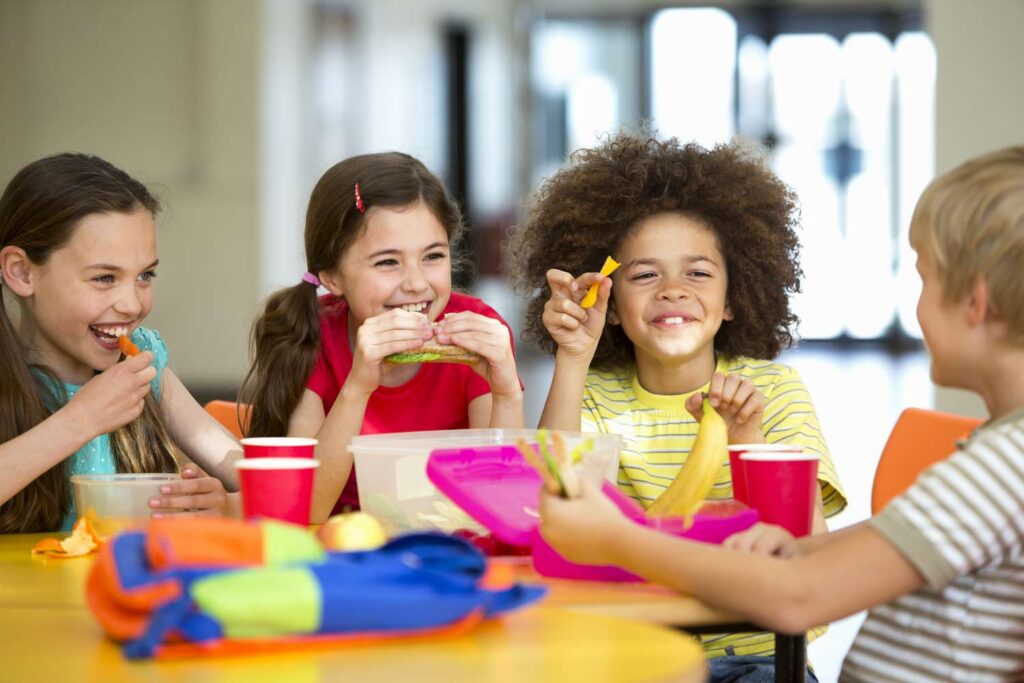
Healthy eating habits are formed through exposure, not enforcement. Instead of labeling foods as “good” or “bad,” parents can model moderation and balance. Family meals, shared snacks, and involving kids in meal preparation help normalize nutritious choices without pressure.
Children who see parents enjoying a variety of foods are more likely to be curious and open-minded about what they eat. Avoiding negative self-talk around food or dieting also helps children develop a healthier emotional connection to eating.

Building Simple Routines That Support Wellness
Consistency is key when it comes to healthy habits. Simple routines such as regular bedtimes, designated screen-free periods, and shared family activities create a sense of stability that supports both physical and mental well-being.
These routines don’t need to be rigid. Flexibility allows families to adapt while still maintaining structure. When children know what to expect, they’re more likely to feel secure and engaged in healthy behaviors.
Encouraging Independence and Long-Term Healthy Choices
As children grow, giving them age-appropriate responsibility over their health choices builds confidence and independence. Allowing kids to choose between healthy snack options or decide how they want to be active empowers them without overwhelming them.
Rather than controlling every decision, parents can guide children through choices and explain why certain habits matter. This approach helps kids internalize healthy behaviors, making them more likely to continue those habits into adulthood.
Conclusion: Small, Consistent Habits Create Lifelong Impact
Parents don’t need perfection to raise healthy kids, just consistency and intention. By modeling balanced behaviors, encouraging movement, fostering positive food relationships, and creating supportive routines, parents lay the foundation for lifelong wellness.
Healthy lifestyle habits aren’t built overnight. They’re shaped slowly, through everyday actions and attitudes. When parents focus on progress instead of pressure, they give their children something far more valuable than rules: a sustainable, positive approach to health that lasts well beyond childhood.