
Dermal fillers are often talked about as if they simply “add volume,” but that’s only part of the story. The best results—those subtle tweaks that make someone look fresher without looking “done”—come from understanding how a filler behaves in living tissue and why certain formulations suit certain facial goals.
Restylane is a family of hyaluronic acid (HA) fillers widely used for facial contouring, softening lines, and restoring age-related volume shifts. What makes it interesting from a clinical perspective isn’t hype or trendiness; it’s the way different gels are engineered to sit, flex, and integrate depending on the area being treated. When you understand those mechanics, “natural enhancement” stops being a vague promise and becomes a predictable outcome.
Hyaluronic Acid 101: The Substance Your Skin Already Uses
Hyaluronic acid is a sugar molecule your body naturally produces. In skin and connective tissue, it helps regulate hydration and contributes to the springy, cushioned quality we associate with healthy, youthful tissue. One HA molecule can bind significant amounts of water, which is why dehydrated skin often looks dull and creased—and why replenishing HA in targeted areas can visibly soften shadows and lines.
Why HA Fillers Don’t Behave Like Moisturisers
Topical HA mainly hydrates the surface layers. Injectable HA is different: it’s placed at specific depths to support tissue, fill a deficit, or subtly re-contour an area. The HA used in fillers is cross-linked (chemically stabilised) so it lasts months rather than being broken down quickly like the HA your body makes every day.
What Restylane Actually Does in the Face
A useful way to think about fillers is as “soft scaffolding.” Restylane gels are designed to do three things, depending on the product and placement:
1) Replace or redistribute volume
Ageing isn’t just wrinkles—it’s changes in fat pads, ligament support, and bone structure. Strategic filler placement can restore gentle projection (think cheeks) or smooth transitions (like the tear trough-to-cheek junction) without making features look larger than life.
2) Improve contour by supporting tissue
In areas like the chin or jawline, a firmer gel can sharpen definition by giving soft tissue something to “sit on.” Done well, this reads as structure, not obvious filler.
3) Increase hydration and softness
Some Restylane formulations are used for more superficial refinement—helping fine lines look less etched and improving overall texture. The effect here can be less about “filling a crease” and more about improving how light reflects off the skin.
The Engineering Behind “Natural”: Flexibility, Lift, and Integration
Not all HA fillers are interchangeable. Two properties matter most for natural-looking results: how the gel holds shape (support) and how it moves with expression (dynamic flexibility). Restylane’s range includes products formulated for different roles—some provide more lift, others are designed to integrate smoothly and flex with facial animation.
This is why a skilled injector doesn’t choose a filler based on popularity; they choose it based on facial anatomy, tissue thickness, movement patterns, and the exact aesthetic goal. If you’re trying to understand what’s typically available within the Restylane portfolio, it can help to look at a clear product overview from a reputable source. For example, this summary page on Restylane as a hyaluronic acid filler brand gives context on the range people commonly refer to when they say “Restylane,” which is rarely just one product.
Where Restylane Is Commonly Used (and Why It Works There)
Different areas of the face demand different behaviour from a filler. Here’s how the “natural enhancement” approach tends to play out.
Cheeks: restoring support, not creating “puffy” volume
In midface treatment, the goal is often to re-establish support that has shifted with time. A well-chosen gel placed at the right depth can:
- soften the look of nasolabial folds indirectly (by improving cheek support),
- restore gentle cheek contour,
- improve under-eye shadowing in some patients by smoothing transitions.
Overfilling usually happens when people chase a line (like the nasolabial fold) without addressing the structure above it.
Lips: shape and hydration with restraint
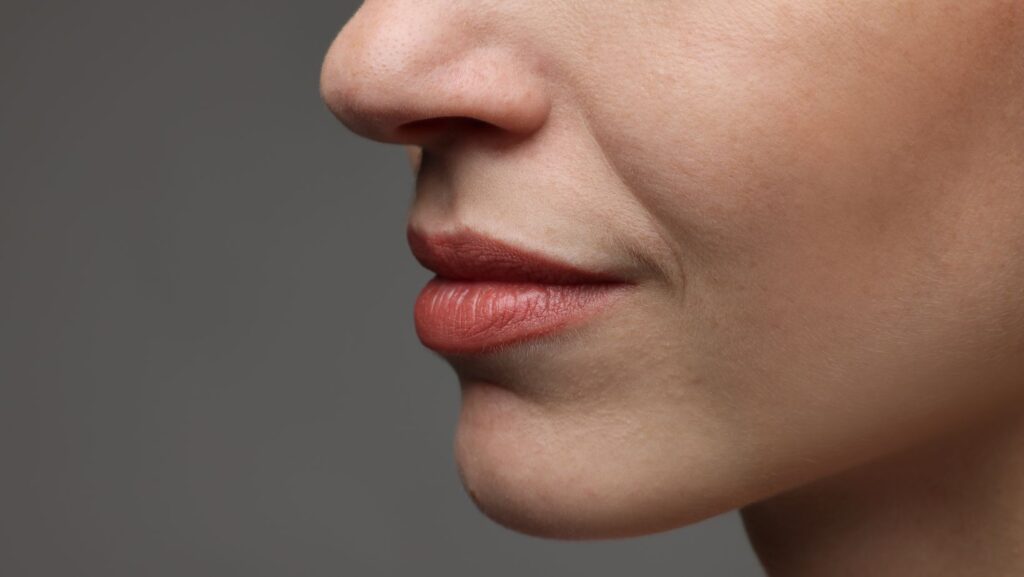
Lip filler is where “natural” is most visible—because we speak, smile, and express emotion constantly. Subtle lip enhancement often focuses on:
- refining the border (vermillion outline) without over-projecting,
- balancing asymmetry,
- improving hydration so the lip surface looks smoother.
The best results rarely come from a single large-volume session. Small, staged treatments tend to look more believable and are easier to tailor.
Under-eyes: precision, patient selection, and conservative dosing
The tear trough area can be transformative when done well—and unforgiving when it isn’t. Under-eye hollows may improve with filler, but not everyone is a good candidate. Puffiness, significant skin laxity, or certain anatomical features can make filler a poor choice. When it is appropriate, conservative amounts and correct placement are essential to avoid a heavy or swollen look.
What to Expect: Longevity, Feel, and Reversibility
No filler is permanent. HA fillers gradually break down through natural metabolic processes. Longevity varies widely based on product type, injection site, depth, and individual factors (including how expressive you are). Many people see results that last roughly 6–18 months, with some areas wearing faster (lips) and others lasting longer (certain deeper structural placements).
A practical advantage of HA fillers is that they’re reversible with hyaluronidase in many scenarios. Reversibility shouldn’t be viewed as a safety net for casual treatment decisions, but it does offer a degree of control compared with non-HA options.
The Real Key to “Natural”: Assessment and Technique

People often focus on the brand name, but outcomes depend heavily on clinical judgement and technique. A natural result is usually built on a few habits that experienced injectors don’t skip:
Looking at the whole face, not a single line
Treating a fold without assessing the cheek, chin, jawline, and overall facial balance can lead to uneven outcomes. Faces work as a system; filler should respect that.
Using the minimum effective product
More is not better. Small adjustments can create meaningful improvement, especially when placed precisely and reassessed after swelling settles.
Prioritising safety: anatomy, depth, and aftercare
Any injectable procedure carries risks—bruising and swelling are common; vascular complications are rare but serious. Proper training, anatomical knowledge, and cautious technique matter more than any marketing claim.
If you’re considering treatment, one brief set of questions can keep the consultation grounded:
- Which area will make the biggest difference if treated first—and why?
- What product type and texture are you choosing for that area?
- How much volume are you planning to use today, and what’s the plan for follow-up?
- What are the realistic risks for my anatomy and goals?
A Subtle Enhancement Should Still Look Like You
Restylane’s role in “natural-looking” aesthetics comes down to controllable gel behaviour—support where you need structure, softness where you need flexibility, and placement tailored to movement and anatomy. When those pieces line up, the results don’t announce themselves. They simply make your features look rested, balanced, and quietly more defined—the way good aesthetic work is meant to look.