
Selecting fencing that can withstand harsh climates requires understanding materials, construction methods, and environmental pressures. Early planning is essential, and exploring resources like https://gtagrizzly.ca/fence-builder/ can help outline the range of fencing types suitable for different conditions. Because durability depends on how well a fence responds to moisture, sunlight, temperature swings, and soil characteristics, homeowners benefit from a methodical comparison of options before installation. A weather-resistant fence enhances privacy, protects property boundaries, and maintains visual appeal over many years without requiring constant repair.
Understanding Weather Resistance in Fencing Materials
Weather resistance refers to a material’s ability to withstand seasonal extremes without degrading. Some materials naturally resist moisture or UV light better than others, and construction quality significantly impacts how long the fence maintains its structural integrity.
Several factors define weather resistance:
Moisture Tolerance
Regions with heavy rainfall, snow accumulation, or freeze–thaw cycles demand materials that won’t rot, swell, or separate under prolonged exposure to water. Moisture-resistant fences maintain shape, color, and stability even in wet climates.
UV and Sunlight Protection
UV radiation causes fading, brittleness, and surface weakening. Materials with inherent UV resistance or protective coatings maintain color and strength for extended periods, especially in sunny climates.
Temperature Stability
Extreme heat expands materials, while freezing temperatures contract them. Repeated cycles gradually weaken fasteners and create cracks. Durable fencing materials maintain cohesion despite temperature changes.
Resistance to Soil Conditions
The base of the fence interacts continuously with soil moisture, pH levels, and ground shifting. Posts and lower sections must withstand these conditions to prevent leaning or decay.
Understanding these environmental influences helps guide material selection based on local climate patterns.
Evaluating the Most Common Fencing Materials
Different fencing materials respond uniquely to weather conditions. The right choice depends on balancing longevity, maintenance needs, environmental exposure, and visual preferences.
Pressure-Treated Wood
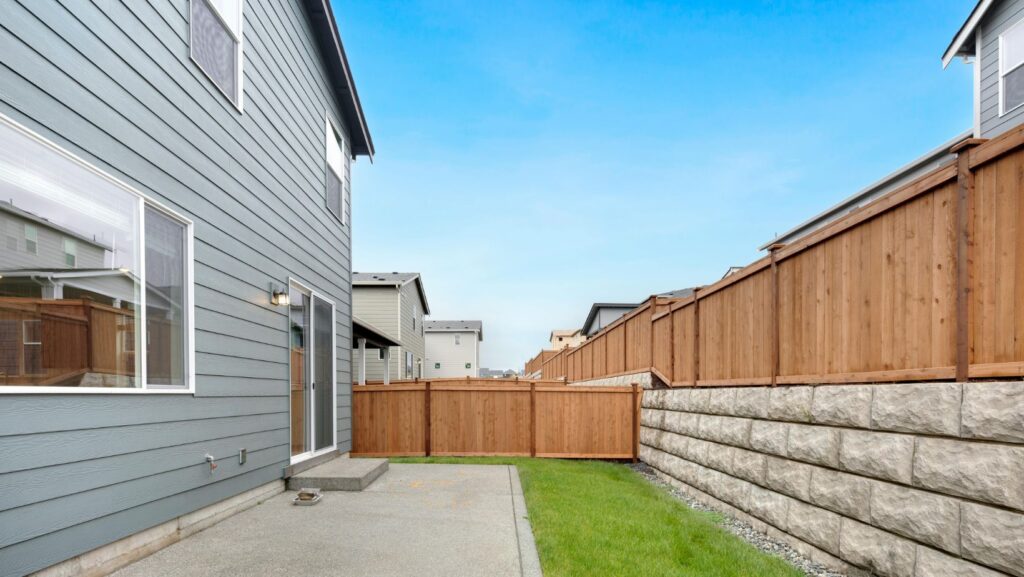
Pressure-treated lumber is widely used for its natural appearance and affordability, but its durability depends heavily on climate and ongoing maintenance. The treatment protects the wood from insects and fungal decay, and its versatility makes it suitable for a variety of property styles. However, it remains vulnerable to moisture over time, requires regular sealing or staining, and can warp, split, or fade under UV exposure. This material performs best in regions with moderate temperatures and relatively low humidity.
Cedar or Redwood
Cedar and redwood offer better natural resistance to rot thanks to their protective oils, making them more stable than standard treated lumber. Their attractive grain and color provide aesthetic appeal, and they hold up well in moderate climates. Still, they need periodic maintenance, can deteriorate in high-moisture environments, and tend to lose color without proper treatment. While more resilient than basic wood, they require consistent care to maintain longevity.
Vinyl Fencing
Vinyl is known for its strong resistance to moisture, temperature changes, and pests, making it suitable for a wide range of climates. It does not rot or rust and requires only minimal upkeep. Yet, it can become brittle in extremely cold conditions and may warp under intense heat if the installation is poor. When installed correctly in regions without severe temperature extremes, vinyl offers outstanding weather durability.
Composite Fencing
Composite fencing combines wood fibers with engineered polymers to create a stable, durable material capable of withstanding heavy moisture and UV exposure. It offers a long lifespan with very little maintenance, making it appealing for those who want the appearance of wood without the upkeep. Its main drawbacks include its heavier weight, which requires a strong support structure, and a higher initial cost. Overall, composite is ideal for environments that challenge traditional wood.
Aluminum Fencing
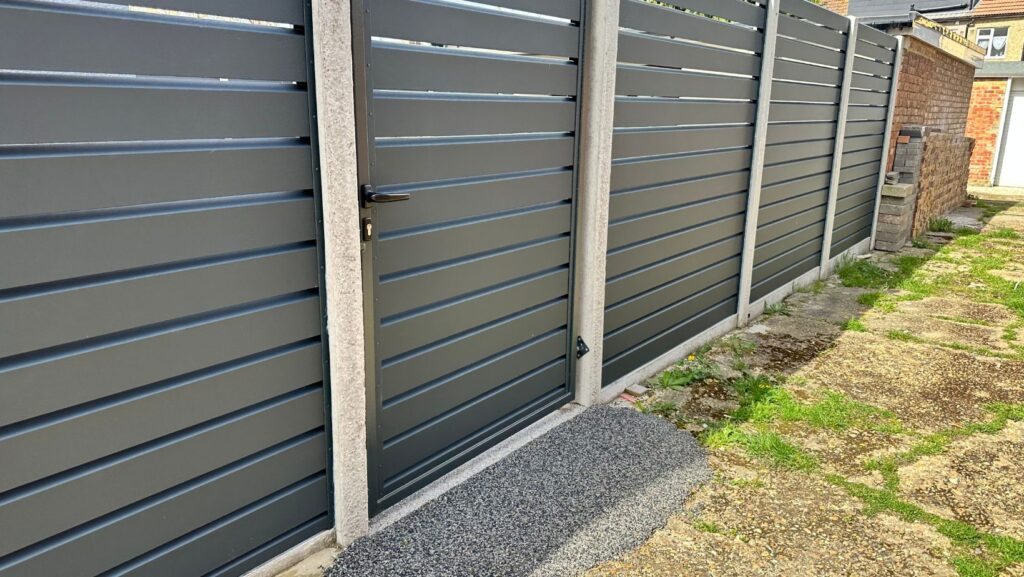
Aluminum excels in humid or coastal climates because it resists corrosion and does not rust. It tolerates heat and moisture well and needs minimal maintenance throughout its lifetime. Although not suited for high-privacy applications and susceptible to denting from strong impacts, aluminum fencing works effectively for decorative boundaries or durable perimeter protection in moisture-heavy environments.
Steel Fencing
Steel provides exceptional strength and security, making it one of the most robust fencing materials available. With protective coatings, it can withstand weather exposure and maintain long-term integrity. However, without proper finishes, steel can corrode and therefore requires periodic inspections and occasional touch-ups. When maintained properly, steel is ideal for high-impact or high-security areas that demand maximum durability.
Considering Climate and Regional Conditions
The most durable fence for one climate may not perform the same in another. Understanding local weather patterns is essential.
Cold Climates
Repeated freeze–thaw cycles challenge materials, especially wood. Composite and vinyl typically withstand cold better, while steel performs well with proper coatings. Frost-resistant footings and deep post installation are especially important.
Hot, Sunny Climates
UV exposure becomes the primary concern. Materials like vinyl and composite resist fading and warping, while untreated wood deteriorates quickly under intense sun.
Coastal or Humid Environments
Salt air and moisture accelerate corrosion and decay. Vinyl, aluminum, composite, and galvanized chain-link are reliable options. Wood may require frequent treatment or may not be ideal.
Regions with Heavy Rainfall
Moisture-resistant materials such as composite, vinyl, and aluminum offer the best performance. Wood may swell or rot without protective finishes.
Evaluating your specific environmental conditions helps narrow the selection to materials capable of long-term resilience.
Maintenance and Long-Term Care Strategies
Weather-resistant fences require periodic maintenance to extend lifespan, though needs differ significantly by material.
Wood
- Apply sealant or stain every few years
- Inspect for rot or insect activity
- Replace damaged boards promptly
Vinyl
- Clean with mild soap to remove grime
- Inspect for cracks after extreme cold
- Ensure posts remain firmly anchored
Composite
- Wash annually to prevent buildup
- Check structural hardware
- Avoid heavy impacts that could crack boards
Metal
- Inspect coatings for chips or scratches
- Reseal steel when needed
- Remove rust before it spreads
Maintenance planning should align with material characteristics and local environmental conditions.
Environmental Considerations
Environmental considerations play a meaningful role when choosing a long-lasting fence. Different materials interact with the environment in distinct ways, influencing sustainability and long-term ecological impact.
Composite and aluminum fencing are generally viewed as more sustainable options because they incorporate recycled materials and can be recycled again at the end of their lifespan. Wood is a renewable resource, but it often requires chemical treatments to prevent rot, which may reduce its environmental benefits.
Energy consumption is another factor. Vinyl and metal production uses more energy compared to wood, but their extended durability can help balance out the higher initial manufacturing footprint.
Soil and water impact also matter. Treated wood may release chemicals into surrounding soil over time, while composite, vinyl, and aluminum remain inert and do not leach substances into the ground.
Considering these elements helps homeowners choose fencing that performs well while aligning with environmental priorities.
Selecting the most weather-resistant and durable fence requires a thorough evaluation of climate, material performance, installation techniques, and long-term maintenance requirements. Each material offers distinct advantages, and the right selection depends on how well it can withstand local conditions while supporting structural stability and long-term appearance. Considering environmental impact, property design, and foundational construction ensures that the fence remains functional and visually consistent over time. Since durability depends on far more than just the material itself, determining the Most Durable Fencing Material calls for careful evaluation or support from specialists who understand how each option performs over time.