
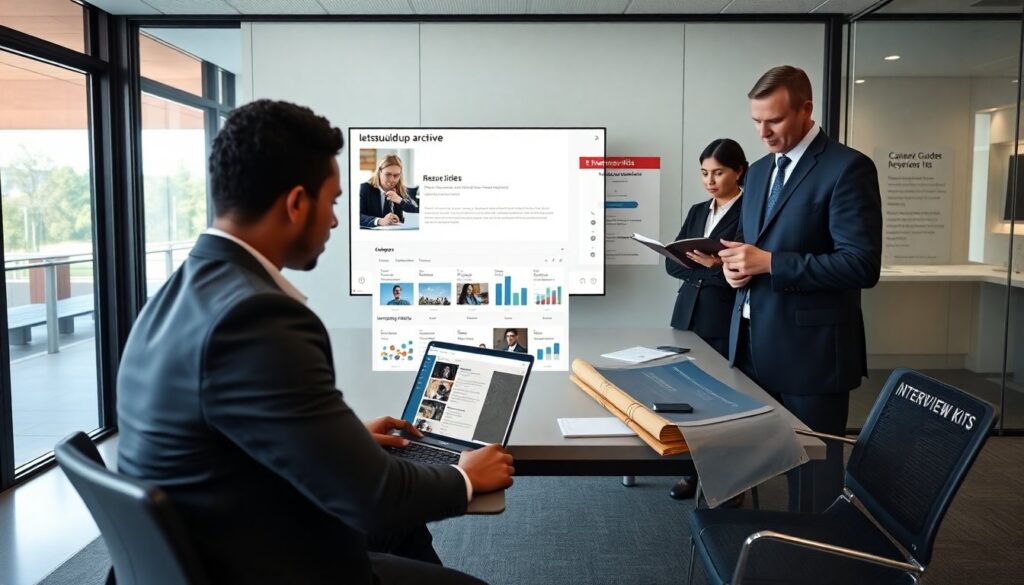
The lbucareersacademy letsbuildup archive holds course files, templates, and event records. It stores job guides, video lessons, and sample resumes. It helps students and employers find concrete materials. It saves time and reduces duplication. The archive links curriculum to outcomes. It lets staff repurpose content quickly.
Key Takeaways
- The lbucareersacademy letsbuildup archive centralizes and organizes diverse career-related materials, including course files, job guides, and event recordings, streamlining access for students and staff.
- By tagging files with skills and job roles, the archive enhances search precision, allowing users to quickly find relevant resources through filters and keyword searches.
- The archive supports efficient content reuse and course updates, helping faculty and advisors align curriculum with employer needs and student career outcomes.
- Usage metrics tracked within the archive inform improvements by revealing high-impact resources and identifying gaps in career alignment.
- Consistent tagging and metadata standards are essential for maximizing the archive’s effectiveness and helping users locate materials faster.
- Categories like interview kits, employer briefs, and technical labs provide targeted resources that support practical teaching, coaching, and hiring preparation activities.
What The LetsBuildUp Archive Is And Why It Matters
The lbucareersacademy letsbuildup archive is a centralized file store. It holds syllabi, workshop slides, code samples, and recorded sessions. It indexes items by topic, date, and author. It lets staff tag files with job roles and skills. It lets students browse by skill or course.
They design the archive to reduce repeated work. They store proven exercises and assessment rubrics. They store employer templates and hiring checklists. They keep version history for major materials. The archive shows which lessons teams update most.
The lbucareersacademy letsbuildup archive matters because it speeds course updates. It helps faculty reuse effective assignments. It helps advisors pull examples for student coaching. It helps employers review candidate preparation at scale. It supports quality control and audit trails for accreditation.
Administrators track usage metrics in the archive. They log downloads, views, and contributor activity. The metrics reveal which resources drive outcomes. The metrics also show gaps in career alignment. Staff use that data to plan new content.
The archive mirrors other major sports and education libraries. For example, archival systems document institutional knowledge in sports libraries and research centers, such as the Ziffren Center holdings that show long-term preservation practices. That comparison helps designers choose retention rules and metadata standards for the lbucareersacademy letsbuildup archive.
How To Navigate, Search, And Download Resources Efficiently
Users access the lbucareersacademy letsbuildup archive through a web portal. They sign in with campus credentials. They land on a dashboard that highlights recent uploads and trending resources. They open filters to narrow by role, skill, or date.
Search uses simple keywords and tags. Users type a skill or course name and the archive returns matching files. Users refine results with checkboxes for file type or reading level. Users sort results by relevance or latest update.
The archive supports preview and direct download. Users preview slides and videos in the browser. Users download single files or zipped collections. The portal preserves original filenames and metadata. The portal also shows related items and suggested follow-ups.
Staff publish new materials through a submission form. They attach files, add tags, and set access levels. They choose public, course-only, or staff-only access. They add a short summary that helps search find the item.
Tip: use consistent tags to improve discovery. Contributors should prefer standard skill names and short role labels. Contributors should avoid long descriptive tags. Consistent tagging boosts the archive’s search precision. Users who master the filters locate materials faster and reduce repeated requests to staff.
Top Content Categories, Key Resources, And Practical Use Cases
The lbucareersacademy letsbuildup archive groups assets into clear categories. The main categories list career guides, technical labs, employer briefs, interview kits, and assessment tools. Each category contains starter kits and advanced modules. Each item links to related videos and sample student work.
Career guides explain role expectations and common tasks. Technical labs include data files and code notebooks. Employer briefs summarize partner needs and hiring cycles. Interview kits supply questions, scoring rubrics, and mock interview scripts. Assessment tools include rubrics, grading sheets, and outcome trackers.
Key resources to use first include the interview kit bundle and the employer briefing set. The interview kit bundle brings sample questions, a scoring form, and a feedback template. The employer briefing set brings hiring priorities and recommended projects. Faculty use those sets to align assignments with real roles.
Practical use cases show how the archive supports work. Instructors pull a lab and adapt it for a one-week module. Advisors pull the interview kit to run mock interviews with students. Employers review sample projects before they post roles. Program leads compile a hiring-ready course pack from archived items.
The lbucareersacademy letsbuildup archive also stores event recordings and outcome reports. Teams use the reports to prove impact to partners. Managers export the reports for grant proposals and partner reviews. Users who cite archived materials can link to specific artifacts and track citations over time.
Staff maintain a short README for each category. The README lists best-start items and common use cases. The README helps new users find value quickly. The README also tells users how to request custom support or suggest new content.