

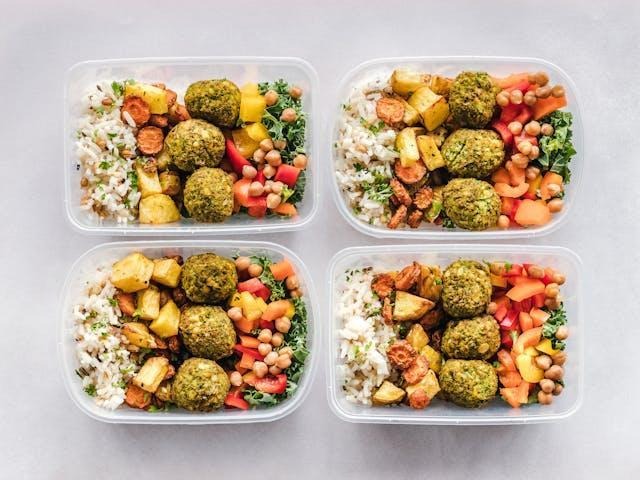
You’ve probably heard that the more colorful your plate is, the better it is for your health. It’s common sense that having a varied diet is important for the body’s balance; the more vegetables you eat, the better it is for your health. Longevity and vitality aren’t built through crash diets or fitness fads, they’re shaped by small, intentional choices we make every day. From what we put on our plates to how we move our bodies and manage stress, the habits we stack consistently have the greatest impact on long-term health.
Physical exercise—even gentle, low-impact routines like yoga—paired with mental health practices such as meditation and mindfulness can make a meaningful difference in overall well-being. A structured schedule and a simple, organized cleaning routine using natural products that are gentle on your skin, including eco-friendly laundry sheets, can also help streamline daily tasks. Balancing days dedicated to laundry and home care with days reserved for self-care and family time creates a healthier rhythm. And when you pair these habits with a balanced, nutrient-rich diet, you build a sustainable foundation for living well and living longer.
We spoke with several experts and a few busy moms who shared the habits, plant-based diet ideas, and lifestyle shifts that have supported their health and made everyday life feel more manageable.
Why Small, Consistent Habits Matter More Than Occasional Big Efforts

To make daily physical activity and a healthy diet part of your lifestyle, it helps to build these habits gradually. Start incorporating them little by little until they naturally become part of your daily routine. Habit formation is discussed across many disciplines, like psychology, behavioural science and public health. But then what is habit formation? The premise of this formation involves the repetitive enactment of a behaviour within a consistent context, leading to its eventual automatic and effortless execution.
For example, simply adding an extra serving of vegetables each day or committing to a 10-minute walk after meals can reduce systemic inflammation and support better digestion. Compared to one-time detoxes or 30-day resets, these small changes are easier to sustain and far more effective in the long run.
Building daily movement, mindful eating, and restorative rest into your schedule sets the foundation for lifelong wellness. Each small choice strengthens your body’s resilience and energy reserves, reinforcing the next.
The Role of Plant-Based Nutrition in Preventive Health
Studies show that populations that traditionally consume largely whole food, plant-based diets are where we find the longest expected average life spans, these regions are called the “Blue Zones”. In addition, whole food, plant-based diets are associated with lower mortality and other intermediate health benefits such as improved cardiometabolic health outcomes.
Some people may find that a plant-based diet is low in nutrients, but in fact the opposite is true. Kat Benson, CSSD, CPT at Nutrition explains: Plant-based diets offer all the necessary protein, fats, carbohydrates, vitamins, and minerals for good health, and are often higher in fiber and phytonutrients. But don’t forget: some vegans may need to add a supplement, like vitamin B12, to ensure they receive all the nutrients required.
If you’re curious about how to get started with plant-forward eating (without sacrificing protein), this guide from VNutrition and wellness breaks it down in a realistic, balanced way. It’s an excellent primer for exploring how a plant-rich diet can fit seamlessly into everyday life.
Getting Enough Protein on a Plant-Based Diet
One of the most common concerns about plant-based eating is whether it provides enough protein. According to Rachel Gargano, MS, RD, CSSD, Chief Registered Dietitian at Live It Up, “Protein is the building block of our body. It helps build and repair cells, tissues, enzymes, and hormones. It’s also key for satiety—helping us feel full and energized between meals.”
Rachel explains that while the Recommended Dietary Allowance (RDA) for protein begins at 0.8 grams per kilogram of body weight, active individuals may benefit from 1.2–2.0 grams per kilogram. “More importantly,” she adds, “we’re learning that variety matters — different protein sources offer different nutrients. Even if chicken is a favorite, mixing in plant proteins can enhance your overall intake of fiber and antioxidants while still supporting muscle maintenance, optimize muscle function, speed up muscle strain recovery, and support energy metabolism.” “Certain athletes, especially those trying to gain muscle mass, may need as much as 1.6 to 2 grams of protein per kilogram,” she notes.
Invest in quality superfood blends, so you can include nutrient-dense plant proteins daily. To consume these superfoods you don’t need complicated prep or proprietary blends, just transparent, real-food ingredients designed to support energy, digestion, and recovery.
Two Powerful Plant Proteins That Go the Distance
Soy Nuts
- Protein per ounce: 12g
- Other nutrients: Fiber, antioxidants
- Pros: Versatile, crunchy, easy to snack on, and adds fiber
- Cons: May cause mild GI distress for some
- Ways to use: Add to salads, stir into trail mix, or enjoy as a satisfying on-the-go snack
Pumpkin Seeds
- Protein per ounce: 9g
- Other nutrients: Fiber, magnesium, zinc, antioxidants
- Pros: Adds vitamins, minerals, and fiber; supports heart and immune health
- Cons: Not a complete protein (pair with legumes or grains)
- Ways to use: Sprinkle on yogurt, oatmeal, or hummus; toss into grain bowls or salads for crunch
Nutrient Timing and Pairing: How to Build a Balanced Routine
Pairing protein with fiber, healthy fats, and slow-digesting carbohydrates helps balance blood sugar and sustain energy throughout the day. These nutrient combinations also promote better digestion and satiety.
Try these micro-habits to make balanced eating effortless:
- Add greens or colorful veggies to every meal
- Start your morning with a protein- and fiber-rich smoothie
- Incorporate seeds, legumes, or tofu into grain bowls
- Use a greens powder when you’re short on time for a nutrient boost
Movement, Mindfulness, and Meals: A Full-System Approach

True wellness extends beyond what’s on your plate. Movement, mindfulness, and meal habits all work together as interconnected systems that reinforce one another. One of the best ways to support this balance is by building a simple, sustainable weekly routine. For example:
- Laundry & Home Care: Choose one or two designated laundry days each week to keep chores predictable and stress-free. Using natural or gentle products can also simplify the process and support skin health.
- Training Routine: Block out time for physical activity, whether it’s yoga, walking, strength training, or a mix of movement that feels good to your body. Keeping sessions at consistent times can make the habit stick.
- Mindfulness & Yoga: Schedule a few short sessions of yoga or meditation throughout the week—these help regulate stress, improve focus, and support mental well-being.
- Family Time: Reserve specific evenings or weekend blocks for family activities, shared meals, or simply being present together without distractions.
Creating a rhythm that blends household responsibilities, movement, and meaningful connection helps each part of your life support the others—leading to more grounded, long-lasting wellness.
A few simple rituals can transform your day:
- Take a 10-minute walk after meals to aid digestion
- Journal before bed to process stress
- Stretch or practice deep breathing in the morning
- Cook a plant-based dinner as an act of mindfulness, not just a task
These small acts promote balance and it’s good for lowering cortisol, improving mood, and helping your body use nutrients more effectively.
Final Thoughts: Healthy Living Is About Building, Not Restricting
The secret to a healthy life is finding balance. You don’t have to cut out every type of food from your diet or work out Monday to Monday. The important thing is to gradually develop the habit of moving more and eating better; this way, you will already be able to notice positive results in your body and health. When we approach a healthier lifestyle in a relaxed manner, without competing with ourselves or others, everything tends to be easier to achieve. Remember: without health, we are nothing, so focus on yourself and your well-being.