
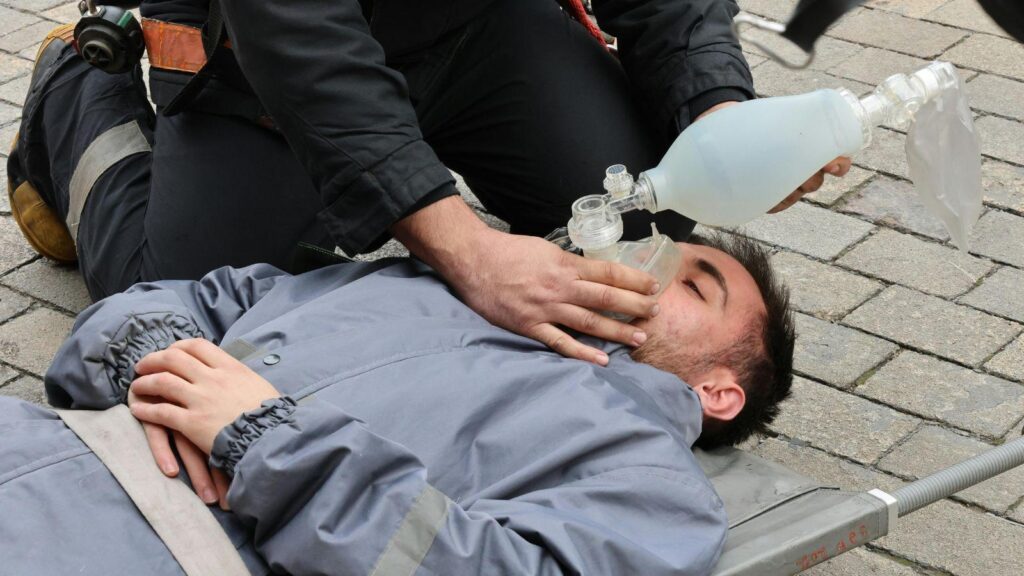
When a sudden cardiac arrest occurs, immediate bystander chest compressions keep oxygen flowing to vital organs, doubling or tripling a person’s chances of survival. Knowing how to operate an automated external defibrillator and perform high-quality compression cycles ensures you can step in safely and confidently before paramedics arrive.
Have you ever thought about how you would react if someone suddenly collapsed in front of you? It is a terrifying thought that most people choose to ignore. But ignoring it will not protect your family, coworkers, or neighbors when a crisis happens. By getting CPR certified with Coast2Coast in Long Beach, you will learn the exact practical skills needed to take control of an emergency instead of freezing up.
Why is immediate chest compression so critical?
When someone experiences cardiac arrest, their heart stops pumping blood completely. Every minute that passes without help reduces their survival rate by about ten percent.
You do not need to be a medical genius to make a huge difference. By starting manual compressions immediately, you act as the person’s mechanical heart. You are literally pushing life-saving oxygen to their brain, buying precious time until emergency medical services show up.
What is a blended learning safety course?
Many people skip out on safety training because they do not want to lose a whole weekend to a boring classroom lecture. That makes total sense. Modern training programs fix this problem entirely by using a blended learning model.
You can complete all the vocabulary, videos, and multiple-choice quizzes online from your phone or laptop whenever you have free time. After finishing the digital portion, you just visit the training facility for a brief, hands-on practice session. An expert instructor checks your posture and compression depth to build real muscle memory.
Are public AED machines safe for anyone to use?
You probably notice those small white boxes with Automated External Defibrillators on the walls at gyms, schools, and malls. They look intimidating, but they are designed specifically for ordinary citizens who have zero medical background.
Modern AEDs are entirely foolproof. Once you turn the machine on, it speaks to you directly, explaining every single action step out loud. The machine will evaluate the patient’s heart rhythm automatically and will never allow a shock to be delivered unless it is absolutely necessary.
How do you build true rescue confidence?
Reading a guidebook or watching a quick video online is an excellent first step, but it will not give you real confidence. True rescue confidence comes from physically practicing the movements.
Feeling the real resistance of a medical mannequin teaches your body how much pressure is actually required for an adult or child. When real adrenaline hits during a crisis, your conscious mind might panic, but your hands will remember exactly what to do. If you want to check out general safety guides or refresh your knowledge online, https://www.c2cfirstaidaquatics.com/ is a great place to start.
If you are looking for first aid training near Harbor City, the Pacific Coast Highway, or other areas close to our facility, then you may reach out to Coast2Coast First Aid/CPR – Long Beach in that area. For more info and articles like this visit: https://www.c2cfirstaidaquatics.com/
Frequently Asked Questions
1. Is this CPR certification OSHA compliant? Yes, our courses fully align with OSHA guidelines and meet California workplace health and safety compliance standards.
2. How long does the in-person practice session take? Since you finish all the theory work online ahead of time, the in-class skills practice is fast and usually takes only a few hours.
3. What is the difference between standard CPR and BLS? Standard CPR is built for regular citizens and workplace safety teams. Basic Life Support (BLS) is an advanced option for nurses, doctors, and first responders.
4. When do I receive my official digital certificate? Your official digital wall certificate is usually processed and emailed to you within a day or two after you successfully pass the physical skills session.
5. How long is my certification valid? Most standard certifications remain valid for two years before you need to complete a brief recertification course.