
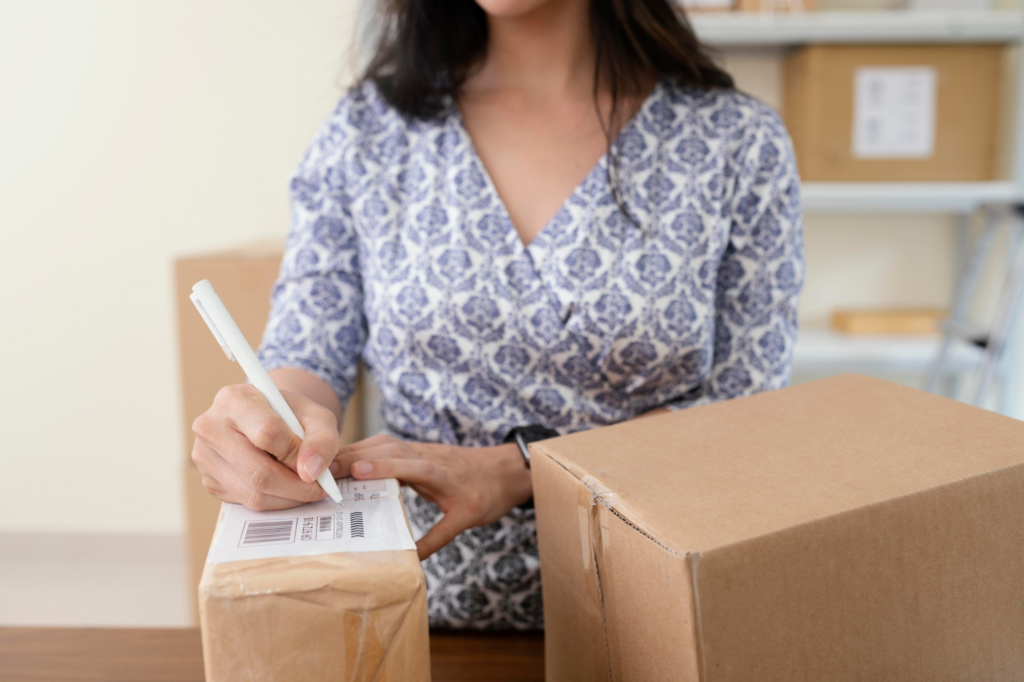
A care package can become surprisingly heavy before you notice it. A few clothes, snacks, toiletries, or small gifts quickly turn into a crowded parcel that is harder to pack properly. Once the contents are final, check https://us.meest.com/services/service/domestic-shipping-us so shipment details match the box you are actually sending.
A Packing Routine That Reduces Rework
Start with a simple contents list before anything goes into a box. It gives you a quick way to spot duplicates, remove unnecessary items, or notice something missing while everything is still easy to rearrange.
Next, group belongings by type, preparing each set separately. A clear order keeps a care package easier to manage:
- contents list — write down everything that should go into the box before packing begins;
- item check — confirm that each product is suitable for shipping; remove anything that does not belong;
- grouping — keep clothing, snacks, toiletries, gifts, and small accessories in separate sets;
- inner protection — prepare sealed bags, sleeves, or cushioning according to what each group needs;
- final review — compare packed contents with your list before sealing the parcel.
This routine reduces the chance of reopening a finished box because something was forgotten or placed in the wrong spot. It also makes weight and dimensions more accurate because a care package is measured only after every item and protective layer are in place.
Choose packaging after you see how much room those groups require. A close-fitting box needs less filler while keeping contents stable without squeezing soft items.
What Makes a Care Package Arrive Safely?
Protection should follow contents rather than a fixed packing formula. Clothing can fill safe gaps, while bottles, snacks, or small gifts need their own barrier against leaks, pressure, or contact.
Keep sealed food away from toiletries, especially products with a strong scent or liquid inside. Bottles or tubes are safer in separate plastic bags, while breakable objects need individual wrapping before being placed beside softer belongings.
Small accessories are easy to lose during unpacking. Put cables, stationery, keys, or similar items in labeled pouches so a recipient can find them without searching through every layer of a care package.
Avoid forcing extra items into remaining gaps simply because there is room. Overfilling can crush snacks, strain box seams, or make a parcel harder to close securely.
Once packing is finished, move the box gently from side to side. If something shifts noticeably, add support only where movement occurs instead of filling every empty space.
What Happens After You Drop Off Your Package
After a parcel enters a domestic delivery network, tracking becomes the easiest way to follow its route. Updates may show acceptance, movement between facilities, arrival near a destination, or preparation for final delivery.
Share a tracking number with your family member before arrival day. This gives them time to plan around delivery, especially when a care package contains food, personal items, or anything that should not remain outside for long.
A pause between scans does not always mean a shipment has stopped. Longer routes may include stretches without a new update, so compare current status with an expected delivery window before taking further action.
Keep shipment details until delivery is confirmed. If follow-up becomes necessary, having recipient information, tracking history, or a brief contents record makes the process easier.
A care package often becomes part of a regular family routine rather than a one-time shipment. For families who send them more than once, Meest-America keeps shipment history in its Portal or app, making previous deliveries simple to reference when preparing the next parcel. This makes repeat care packages easier to organize without starting from scratch each time.