

When someone starts talking about crypto, what’s the first thing that comes to mind (apart from the fact that you’re probably tired of hearing about it every five minutes)? Bitcoin, of course. Not only is Bitcoin the first digital currency to be invented, but it’s also the most valuable and widely adopted crypto, which explains why its popularity far surpasses that of its peers.
Although the underlying technology behind crypto remains a mystery to most, the public is well aware of the success that Bitcoin has had and is also not oblivious to the fact that digital currencies are edging closer to mass adoption. Merchants around the world have started accepting Bitcoin as a form of payment, governments are stepping in to regulate it as a legitimate financial asset, organizations like asset managers, pension funds, and financial institutions are embracing it, and investors keep pouring their money into it, counting on its ability to preserve its value and appreciate over time.
So, since Bitcoin is such a prevalent topic of discussion nowadays and continues to forge forward in the financial space, wouldn’t it make sense to educate children in this regard? A lot of people agree that the younger generations should learn about things like blockchain technology, how to purchase Bitcoin, the risks associated with digital assets, and other similar issues. However, others highlight the challenges and drawbacks that might come with it.
The case for crypto education
The idea of introducing children to Bitcoin and altcoins in a formal learning setting has been gaining traction recently.
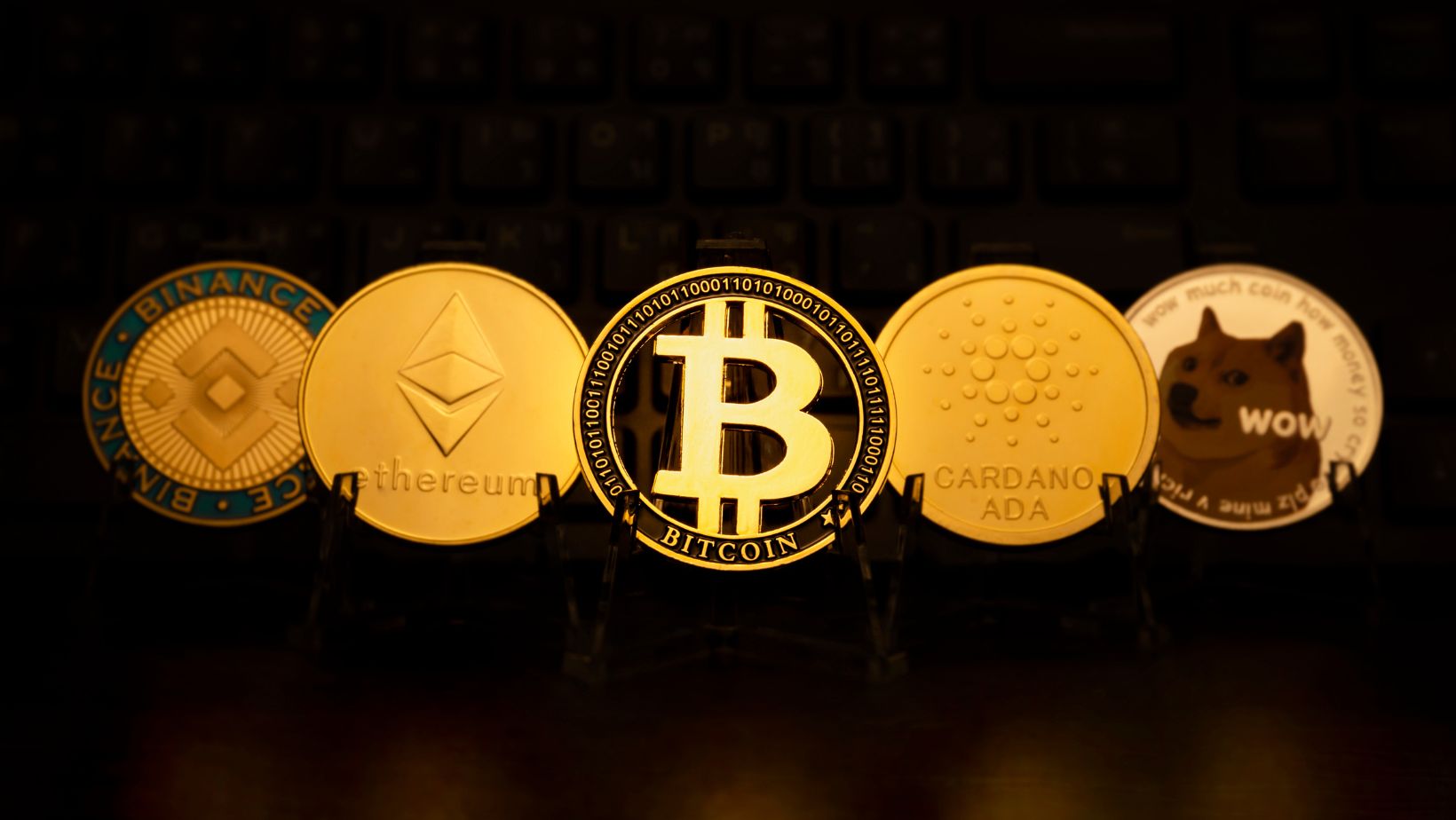
Those who are in favor of crypto education for children generally cite the following reasons to sustain their stance.
Ensuring financial literacy in the digital age
Most will agree that children should learn about money, in all its forms, from an early age. A child who gains a good grasp on basic financial concepts will grow up to be a more responsible and financially savvy adult, able to make better money-related decisions and manage their funds wisely. A solid foundation set in early childhood is key to developing smart money habits and avoiding potential pitfalls later on.
This also means children should be up to speed with the realities of the current financial landscape. Therefore, it’s not enough to teach children about earning, saving, and spending or conventional assets. For a well-rounded financial education, they should also learn about new forms of money like Bitcoin, since these types of assets are becoming increasingly integrated into economic systems worldwide, and sooner or later, they’ll come across them.
Future-readiness
Crypto and blockchain may have yet to achieve mainstream acceptance. But given the rapid evolution that these disruptive technologies have experienced over the past decade, and the mark they’ve already left on so many industries, we can safely assume that the role they play in global finance and other major sectors will only increase in the future.
The world of today may be dominated by fiat money and central banks, but he world of tomorrow may well be shaped and defined by decentralized solutions and digital assets like Bitcoin. So, educating kids about blockchain and crypto fundamentals can help prepare them for the rapidly evolving financial and technological landscape, and all the changes that the future might bring.
Increasing risk awareness
For all the advantages it provides, crypto is not without its flaws. Informing children about the risks associated with digital currencies is much wiser than letting them discover them the hard way. It’s important to let them know about the possibility of scams and the necessity of privacy and security when conducting online transactions. That way, they’ll be better equipped to navigate potential challenges and manage digital assets safely.
Enhancing career opportunities
The blockchain and crypto industry is growing fast and could offer many career paths in the future. Therefore, exposure to Bitcoin and blockchain could open doors to new career opportunities. Many sectors, from banking to supply chains, are already experimenting with decentralised technologies. By introducing children to these ideas, we might inspire interest in coding, entrepreneurship, cybersecurity, or digital asset management – all skills likely to be in high demand.
Like early computing lessons gave rise to a generation of tech professionals, learning blockchain basics can prepare students for the jobs of tomorrow. They don’t need to become investors; simply understanding the systems behind digital money could set them apart in a competitive market.
Potential risks and challenges
Usually, when crypto education is brought up, it’s not targeted at kindergarten kids, but elementary school and high school students, who are old enough to grasp the concept of digital money. Nevertheless, technical intricacies can be a major impediment in teaching children about crypto, and it’s also hard to determine when they are developmentally ready to understand these notions.
Bitcoin and blockchain are extremely complex, and lessons need to be carefully tailored to different age groups. Without that, children might oversimplify ideas or come away with misconceptions. For example, they might start thinking that crypto is a get-rich-quick scheme, as many have described it.
Volatility is another issue. The dramatic price swings of Bitcoin make it risky to present as anything more than an example of emerging technology. Educators must avoid sending the wrong signal that digital assets are a guaranteed investment.
Regulation is also a delicate topic. With governments still debating how to oversee crypto, the information given today may look outdated tomorrow. Finally, there’s the concern that too much focus on digital currencies might overshadow traditional financial literacy, which remains essential.
Conclusion
Teaching kids about Bitcoin isn’t about encouraging them to embrace these types of assets, but preparing them for a world where digital money may play a central role. With balance and care, crypto can complement broader financial education.