
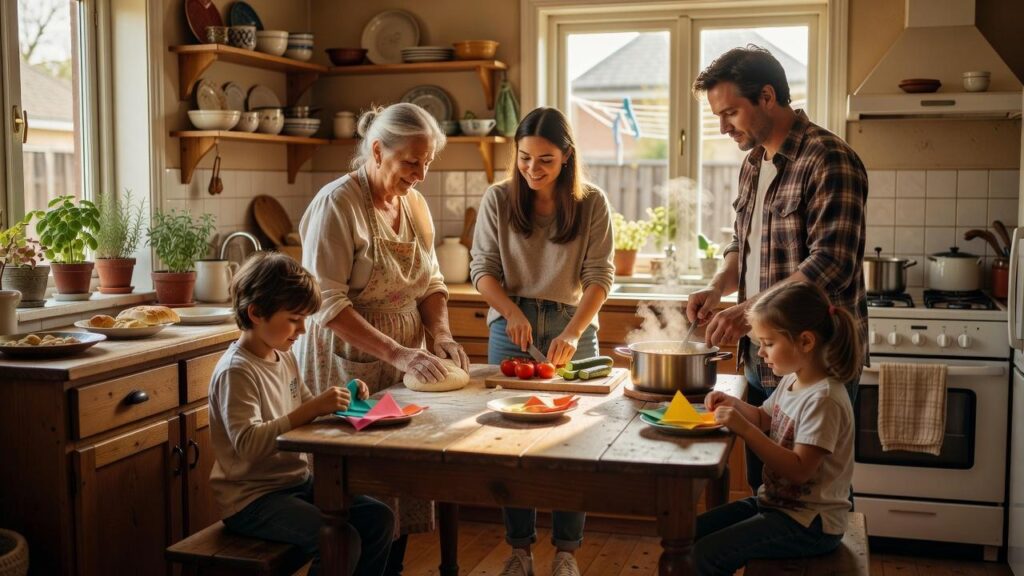
Small, steady steps can have the biggest impact. In family life, daily traditions create a rhythm that brings loved ones together—even when days grow hectic. These rituals don’t require grand gestures. Instead, they rely on consistency, warmth, and genuine interest in one another. When families embrace their own habits, every member feels seen and supported.
Making Time for Togetherness in a Busy World
Busy schedules are a genuine challenge, but regular family connections remain within reach. Studies show that even 10 shared minutes a day promote resilience and well-being. For instance, “morning moments”—where family members share goals for the day over breakfast—help everyone start off on the right foot.
Parents sometimes worry that traditions require elaborate planning. In reality, small gestures—a nightly group hug, a silly family handshake, or just sharing a daily highlight—can anchor the day. The key is carving out a sliver of time and guarding it as sacred.
When distance separates family members, get creative: schedule group video calls to continue traditions like trivia nights or storytelling. Virtual photo albums or shared playlists maintain a sense of togetherness, even when miles away. If you’re searching for more inspiration on unique ways to bring loved ones together, creative resources can be found at https://ladys.one/fr/escort-toulouse.
The Importance of Everyday Rituals in Family Life
Traditions act as an emotional anchor for families. Shared rituals, even the most modest ones, help lower anxiety and foster a sense of belonging. Psychologists point out that regular family customs build trust: when children know what to expect, they feel secure. For parents, the act of reliably coming together—whether for a meal or a bedtime story—deepens meaningful connection.
A vivid living example comes from one family who, despite varied schedules, maintained a five-minute “highs and lows” session every evening. This brief tradition allowed everyone to share a personal success and a challenge from the day. Over time, the children opened up more readily about worries they would once keep to themselves. The ritual’s power wasn’t in its length but in its regularity and openness.
Examples of Small Traditions for All Ages
Every family develops its own signature habits, but some classics stand the test of time—adaptable for toddlers, teens, and grandparents alike. Consider the following customs:
– Shared family dinners, even just a few each week, create a sense of unity and comfort. Research links these moments to greater happiness and better communication.
– Sunday walks after lunch provide a peaceful setting for casual conversations across generations.
– Reading aloud before bed, regardless of children’s ages, fosters a deep emotional connection. For older kids, switching to poetry or gripping novels keeps the tradition fresh.
– Movie nights with rotating “selectors” ensure everyone gets a say, which reinforces equality and belonging.
– Personalized greetings or songs to mark birthdays turn ordinary days into memorable celebrations.
These rituals are simple yet powerful. A father once recalled a childhood ritual—an afternoon snack prepared every day by his grandmother. Decades later, the memory still brought comfort and joy. Simplicity often makes traditions lasting.
How to Create Your Own Family Traditions
Building a family tradition starts with noticing moments already bringing joy, then repeating and honoring them. Successful customs often begin unintentionally—think of a particular meal always cooked on rainy days or a phrase exchanged before parting.
To nurture a new tradition:
– Observe what everyone already enjoys together.
– Discuss ideas openly; let every family member suggest possibilities, regardless of age.
– Start small and keep it manageable—consistency matters more than extravagance.
– Explain and celebrate the tradition’s meaning, especially with younger children, so they understand why it matters.
– Revisit and refine: ask occasionally if the tradition is still fun or needs a twist.
When one family introduced a monthly “pizza night,” they invited even their toddler to help roll dough. The tactile experience delighted the child, while the parents appreciated the low-pressure setting for conversation.
When Traditions Need a Fresh Twist
Traditions evolve alongside families. Children outgrow bedtime stories, teens acquire new hobbies, or work demands change routines. Instead of clinging to rituals that no longer serve, open the conversation about what your family needs now.
Introduce novelty to revive waning customs—combine movie night with an at-home “concession stand,” or let children invent rules for a new celebration. Mark milestones, big or small, to adapt traditions as family structure changes, such as after a move or when welcoming new relatives.
A family who had long taken Saturday nature walks found the outings less appealing for their teens. They shifted to Saturday afternoon games—board, card, or video—which rekindled engagement. The best traditions flex to keep joy at their core, and honest, regular feedback ensures these rituals stay relevant and meaningful.
Empowered by reflection and a willingness to adapt, families keep traditions vibrant—strengthening bonds with each new chapter.