
Quick Answer
Most importers learn how to avoid customs delays the hard way, through misclassified goods, vague invoices, undervalued declarations, or missing partner agency permits. The fix is preparation. Verify tariff codes before shipping, confirm country of origin against the goods themselves, document every commercial value component, and check that any regulated cargo meets the relevant federal requirements before it reaches the border.
Introduction
A container sits idle at the port. The buyer keeps calling, the warehouse team is restless, and the broker repeats the same question about a missing document. For commercial importers, this scene is painfully familiar, and it almost always traces back to a small handful of preventable errors. Knowing how to avoid customs delays Canada is less about luck and more about disciplined paperwork, accurate classification, and realistic timelines.
Canada Border Services Agency does not soften its expectations for newer or smaller businesses. Standards followed by experienced teams like Ocean-Air Freight reflect what regulators want to see, namely clean documentation, verifiable origin, and a clear chain of responsibility between supplier, carrier, and buyer. Treat those expectations as the baseline, and the border becomes far less intimidating.
Where Importers Most Often Slip Up at the Border
Cross-border friction rarely comes from one catastrophic blunder. It builds up from small lapses in classification, valuation, and communication that compound as cargo moves toward release.
Misclassified Goods and Thin Descriptions
The single most common error is an incorrect Harmonized System code. A digit that looks close enough on paper can mean a different duty rate, a different licensing requirement, or a different inspecting agency entirely. Thin invoice descriptions worsen the problem, since CBSA officers depend on those descriptions to verify risk. A line that reads “machine parts” tells regulators nothing, while “stainless steel pump impellers, 75 mm diameter” gives them what they need.
Valuation, Origin, and Permit Oversights
Three quieter mistakes routinely trip up commercial buyers:
- Declaring only the invoice price while omitting royalties, tooling, or commissions that belong inside the value for duty.
- Listing the country of shipment rather than the actual country of manufacture, which distorts trade agreement eligibility.
- Skipping admissibility approvals from agencies such as the CFIA, Health Canada, or Transport Canada for regulated commodities.
If anyone in the supply chain ever asks, “Why is my shipment held at Canadian customs?”, the answer is almost always a mismatch between paperwork and physical cargo. Reconcile both before the container leaves the origin port.
Building a Cleaner Workflow for International Freight Shipping
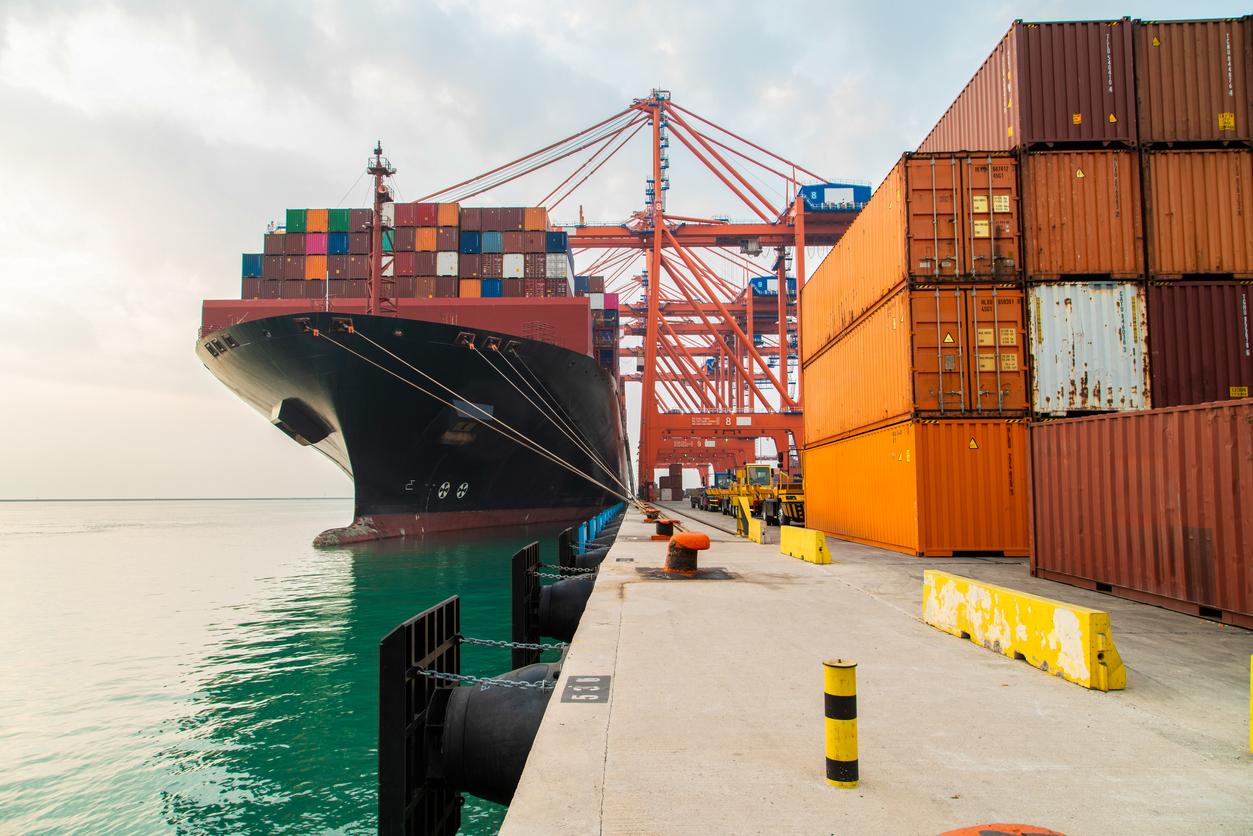
A weak internal process, rather than a single oversight, is usually the real culprit. Tightening that process turns the border into a predictable checkpoint and gives finance teams the cost clarity they need for landed price models.
Choosing the Right Partner and Mode
The partner you select shapes everything afterward. Reputable freight forwarders run their own compliance checks, validate tariff codes against the commercial invoice, and confirm that CARM financial security is properly registered to the importer of record. Mode selection matters just as much, since timing, value, and cargo profile all influence which lane fits.
|
Factor |
Ocean |
Air |
|
Transit time |
25 to 40 days |
3 to 7 days |
|
Cost per kilogram |
Lower |
Higher |
|
Best suited for |
Bulk, low value, non-urgent |
High value, time sensitive, perishable |
|
Documentation |
Bill of lading |
Air waybill |
CARM, Incoterms, and Financial Posture
The CARM Client Portal remains an underused safeguard. Even importers who delegate everything to a broker still carry legal responsibility for declarations, posted security, and corrections within the 90-day window.
Pair that discipline with carefully chosen Incoterms, since DDP, FOB, and CIF each shift liability, insurance, and clearance duties to a different party. Engaging a freight forwarder Calgary based or otherwise, during supplier negotiation, rather than after a booking is confirmed, locks these decisions in early.
Smarter Habits for Long-Term Border Efficiency
Strong compliance is built on routine. Importers who clear cargo quickly treat documentation, record keeping, and broker communication as ongoing disciplines rather than one-off chores.
Habits worth embedding now:
The pattern is clear. Operators who invest in clean processes, accurate paperwork, and qualified support face fewer surprises and protect their margins from avoidable penalties. When a freight company in Calgary, or any seasoned international freight shipping team, is brought in early, mastering the avoidance of customs delays becomes a matter of consistent habit rather than crisis response.
Final Takeaways for Smoother Canadian Border Clearance
Customs compliance rewards preparation, not improvisation. The importers who move cargo cleanly are those who treat tariff codes, valuation, origin, and admissibility as one connected system rather than four isolated tasks. Building strong supplier documentation, registering properly under CARM, and reviewing entries quarterly removes most of the friction that triggers holds.