
Image via Dreamstime.com
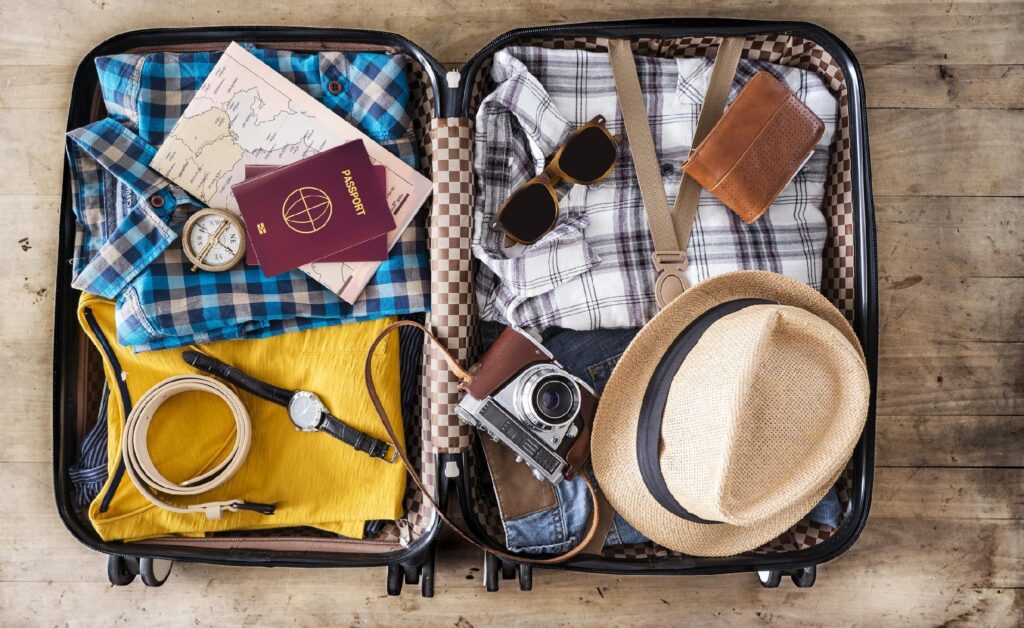
Packing for a trip often feels like a contest between preparation and restraint. You want to be ready for changing weather, unexpected activities, delayed luggage, formal dinners, long walks, and every other possibility that might arise. At the same time, dragging an overstuffed suitcase through an airport or up several flights of stairs can quickly make you regret bringing so much.
The secret to packing well is not finding a way to fit everything you own into a smaller suitcase. It is making thoughtful choices about what you are likely to use. A well-packed bag contains versatile clothing, essential personal items, and a few carefully chosen conveniences. It does not attempt to account for every unlikely scenario.
Whether you are leaving for a weekend getaway or an extended vacation, the following strategies can help you pack what you need without carrying more than you will actually use.
Start With the Trip, Not the Suitcase
Before opening your closet, think about the trip itself. Your destination, transportation, accommodations, activities, and access to laundry will determine what belongs in your bag.
Begin with the weather forecast, but do not look only at the expected daytime temperature. Check the overnight lows, likelihood of rain, humidity, wind, and temperature differences between the places you plan to visit. A warm coastal destination may become cool after sunset, while a mountainous area can experience several types of weather in a single day.
Your itinerary is equally important. A trip built around hiking and sightseeing requires different clothing than one involving business meetings or upscale restaurants. If your schedule is flexible, pack for the activities you are most likely to do rather than every activity that is technically possible.
Consider how you will travel as well. A large suitcase may be manageable if you are driving directly to a hotel, but inconvenient if you will be using public transportation, changing accommodations frequently, or walking along cobblestone streets. The more often you will need to move your luggage, the more valuable a lighter bag becomes.
Make a Realistic Packing List
A packing list helps prevent both overpacking and forgetting essentials, but only if it reflects your actual plans. Instead of writing down every item that might be useful, organize the list around specific needs.
Start with the items that would be difficult or expensive to replace, such as identification, prescription medication, travel documents, specialized equipment, and necessary electronics. Then consider clothing, toiletries, and comfort items.
It can be helpful to assign clothing to the days or activities on your itinerary. If you cannot identify when or where you would wear an item, it may not deserve space in your bag. This simple question can eliminate many of the “just in case” pieces that are packed with good intentions but never leave the suitcase.
Keep the list after your trip and make notes about what you used, what you missed, and what you carried unnecessarily. Over time, you will develop a personalized packing system based on experience rather than guesswork.
Choose a Simple Color Palette
Clothing becomes much easier to coordinate when most pieces belong to the same general color palette. Choose two or three neutral colors as the foundation of your travel wardrobe, then add a small amount of color through shirts, scarves, or accessories.
For example, black, gray, and denim can work together easily, as can navy, tan, and white. The best palette is one that already exists in your wardrobe and makes you feel comfortable. There is no need to purchase an entirely new travel wardrobe simply to make everything match.
Coordinated colors allow you to create more outfits from fewer garments. A pair of pants that works with four shirts is more useful than a pair that matches only one. The same principle applies to jackets, sweaters, and shoes.
Before packing, lay your clothes out together and confirm that each major piece can be worn with several others. This provides a clearer picture of your options and helps reveal unnecessary duplicates.
Pack Versatile Clothing
The most useful travel clothes can serve more than one purpose. A casual shirt that works for daytime sightseeing and dinner is more valuable than separate shirts for each occasion. A lightweight sweater can add warmth on a cool evening, serve as a layer on an airplane, and make a casual outfit look more polished.
Comfort should remain a priority. Travel often involves more walking, standing, and sitting than an ordinary day at home. Clothing that is restrictive, delicate, or difficult to care for may become frustrating, even if it looks good in photographs.
Fabrics that resist wrinkles and dry relatively quickly can be especially practical. If an item can be washed in a sink and hung overnight, it may be worn several times during a longer trip. This makes it possible to pack for a week even when you will be away for two or three weeks.
Try to avoid packing multiple versions of the same garment unless you know you will wear them. Three nearly identical jackets, for example, occupy a great deal of space without adding much flexibility.
Use Layers Instead of Bulky Alternatives
Packing for cold or unpredictable weather does not automatically require a suitcase filled with heavy clothing. Layers are often more adaptable than one extremely bulky garment.
A base layer, regular shirt, sweater, and weather-resistant outer layer can be combined in several ways depending on the temperature. You can remove pieces as the day becomes warmer and add them again when conditions change.
Wear your largest outer layer during travel whenever practical. A coat that takes up half of your suitcase can usually be carried or worn through the airport. The same strategy can be used for boots, thick sweaters, and other bulky items.
However, do not wear so many heavy pieces that you become uncomfortable. The goal is to save luggage space without making the journey miserable.
Be Selective About Shoes
Shoes are among the heaviest and least flexible items people pack. They also take up a surprising amount of room. For many trips, two pairs are sufficient: one comfortable pair for walking and one alternative suited to the destination or planned activities.
The second pair might be sandals for a beach vacation, boots for wet weather, or more polished shoes for dinners and events. If one pair can comfortably serve several purposes, even better.
Every pair should be tested before the trip. New shoes can cause blisters or discomfort, particularly when you suddenly begin walking several miles a day. Break them in at home and make sure they work with the clothes you plan to bring.
Wear the heaviest pair while traveling and pack the lighter pair. Place packed shoes in a separate bag or cover to keep the rest of your belongings clean. The inside of a shoe can also hold socks, chargers, or other small items, although this is more useful for organization than for meaningfully reducing weight.
Reduce Your Toiletries
Toiletry bags often become overcrowded because travelers pack their entire daily routine. In most cases, you need only enough product to last for the length of the trip.
Transfer shampoo, conditioner, moisturizer, and similar products into smaller reusable containers. Avoid filling a travel-size bottle completely if you need only a few applications. Solid toiletries can also reduce the risk of leaks and simplify airport security screening.
Check which items your accommodations provide. Many hotels supply basic soap, shampoo, conditioner, lotion, and hair dryers. Vacation rentals may offer some of these items as well, although availability can vary.
Medication, contact lenses, dental appliances, and specialized personal-care products should receive priority because they may be difficult to replace. Pack essential medication in your carry-on bag, preferably in its original labeled container, and bring a reasonable amount beyond the planned trip length in case of delays.
Limit Electronics and Accessories
Electronics promise convenience, but each device usually brings chargers, cables, adapters, cases, and batteries. Before packing a tablet, laptop, camera, e-reader, and several other devices, decide which functions can be handled by your phone.
A smartphone may already provide navigation, entertainment, communication, photography, and access to reservations. That does not mean specialized equipment is never worthwhile. A dedicated camera may be important for a photography-focused trip, and a laptop may be necessary for work. The key is packing devices because you have a clear use for them, not because you might become bored.
Use one compact charging system when possible. A multiport charger and a few compatible cables may replace several individual adapters. If you are traveling internationally, confirm the destination’s plug type and electrical standards before departure.
Do not forget a portable power bank if you expect to spend long days away from an outlet. Navigation, photography, and travel apps can drain a phone battery more quickly than normal use.
Keep Important Items in Your Personal Bag
Even if you check a suitcase, certain belongings should remain with you. Your personal bag should contain identification, travel documents, medication, money, valuable electronics, and anything you would urgently need if your checked luggage were delayed.
It is also wise to include a basic change of clothes, especially on a flight involving connections. Clean underwear, socks, and a lightweight shirt take up little room and can make an unexpected overnight delay much more manageable.
Keep important reservations and contact details accessible even if your phone loses power or internet access. Screenshots or downloaded copies may be sufficient, although a small printed backup can be reassuring for complex international travel.
Your personal bag should still be comfortable to carry. Avoid treating it as an overflow compartment for everything that did not fit in your suitcase.
Leave Room for the Return Trip
A suitcase that barely closes at home may become a serious problem at the end of the trip. Clothing does not always fold as neatly the second time, and you may acquire souvenirs, gifts, or local products along the way.
Try to leave some unused space or pack a lightweight foldable bag. The extra bag can be useful for laundry during the trip and may serve as a personal item or checked bag on the way home, depending on the airline’s rules.
Leaving space also makes your suitcase easier to organize. You should not need to remove everything simply to find a clean shirt or charging cable.
If you plan to shop extensively, account for that before departure. Packing fewer replaceable items may be more practical than purchasing another suitcase later.
Use Packing Organizers Thoughtfully
Packing cubes can separate clothes by type, outfit, or traveler. They make it easier to locate items and can prevent your suitcase from becoming disorganized after the first day.
However, organizers do not reduce the actual weight of your belongings. Compression bags may create more physical space, but they can also make it easier to exceed airline weight limits. A smaller-looking bundle of clothes is still the same number of clothes.
Use packing tools to improve organization rather than as permission to bring more. If every cube is packed tightly and the suitcase is still difficult to close, the problem is probably the amount of clothing rather than the folding method.
Rolling clothes works well for many casual garments, while folding may be better for structured pieces. The best approach often combines both methods.
Plan to Rewear and Wash Clothing
Many people pack as though every piece of clothing can be worn only once. That may be appropriate for underwear and socks, but pants, sweaters, jackets, and some shirts can often be worn several times.
For longer trips, plan to do laundry. Confirm whether your hotel, rental, cruise ship, or destination has convenient laundry facilities. You can also bring a small amount of concentrated detergent for hand-washing lightweight items.
Packing for approximately one week is often enough even when the trip lasts much longer. Rewearing and washing clothing greatly reduces the size of your luggage and makes moving between destinations easier.
A small fabric refresher or stain-removal pen can extend the usefulness of travel clothes, but these products should complement sensible washing rather than replace it.
Remove the “Just in Case” Items
Once you have packed, review everything one more time. Identify the items included for a specific, likely need and those included because of a vague concern.
Some contingency items are sensible. A compact rain jacket belongs in your bag when rain is possible, and a small first-aid kit can be useful. Packing several formal outfits for an unplanned invitation, however, is usually unnecessary.
Ask yourself whether an item could be purchased easily and affordably at the destination if you unexpectedly needed it. Unless you are traveling somewhere remote, many basic products can be replaced.
You do not need to eliminate every comfort or luxury. If a particular item will meaningfully improve your trip and you have room for it, bring it. The objective is not to pack as little as humanly possible. It is to avoid carrying things that provide no real value.
Do a Final Weight and Mobility Test
When your bag is packed, weigh it and compare the result with any airline restrictions. Remember that baggage rules can vary by airline, fare class, route, and destination.
Then carry or roll the bag around your home. Lift it onto a bed, take it up a flight of stairs, and imagine managing it in a crowded station. If the bag already feels difficult to handle under ideal conditions, it will probably feel worse after a long travel day.
Remove a few low-priority items and test it again. Even a small reduction in weight can make luggage noticeably easier to manage.
Pack for the Trip You Are Actually Taking
Avoiding overpacking is less about mastering a special folding technique and more about making honest decisions. Pack for the expected weather, confirmed activities, and realistic needs of your trip. Choose coordinated clothing, limit bulky items, plan to rewear pieces, and reserve space for the unexpected.
A lighter suitcase can make every stage of a trip easier, from navigating the airport to changing hotels and returning home. More importantly, you are unlikely to miss the extra outfits and gadgets once you are enjoying the destination.
The best-packed bag is not the one prepared for every imaginable possibility. It is the one that gives you what you need while allowing you to travel comfortably, confidently, and with far less baggage.