
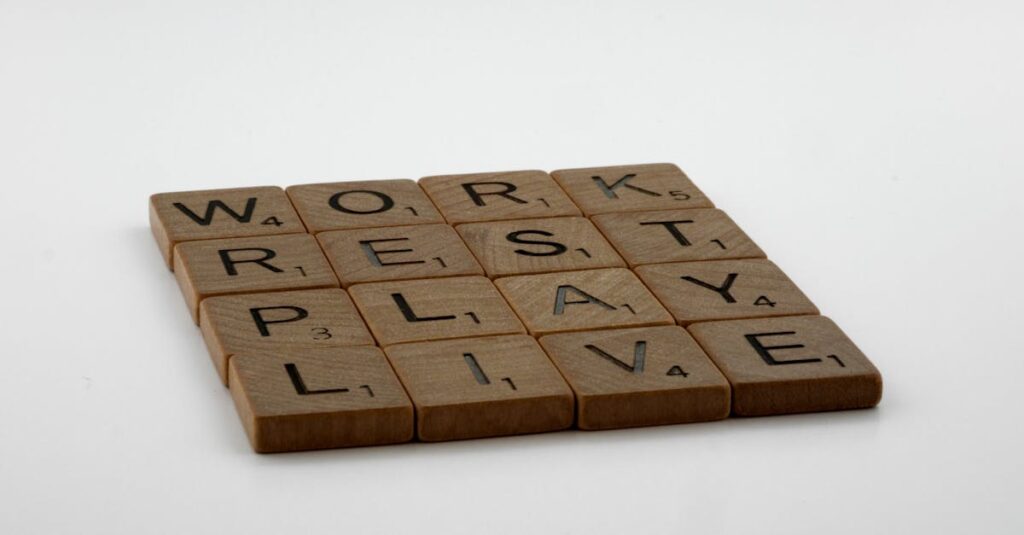
Picture this: It’s 7:13 p.m. Your phone buzzes with a Slack notification. You’re reheating leftovers, your kid is asking about tomorrow’s field trip, and your brain is still replaying that awkward moment from today’s meeting. If you’ve ever felt like you’re juggling flaming bowling pins, you’re not alone. Work life balance strategies aren’t just buzzwords—they’re survival skills for anyone who’s ever tried to answer emails while microwaving dinner.
Why Work Life Balance Strategies Matter
Let’s be honest. Most of us don’t dream of spending our best years glued to a laptop, missing out on birthdays, or feeling guilty for skipping workouts. But the pressure to “do it all” is real. According to a 2023 Gallup poll, 44% of employees reported feeling burned out sometimes, and 23% said they felt burned out very often. That’s not just a stat—it’s a warning sign. If you’re reading this, you probably want more than just survival. You want to thrive, both at work and at home.
Who Needs Work Life Balance Strategies?
If you’re a perfectionist, a people-pleaser, or someone who’s ever said “I’ll just finish this one thing,” this is for you. If you’re a single parent, a remote worker, or a manager who’s always “on,” you’ll find something here. But if you love working 80-hour weeks and never feel tired, you can probably skip this. For everyone else, let’s break it down.
Start with Boundaries—And Actually Keep Them
Here’s the part nobody tells you: Setting boundaries feels awkward at first. You might worry you’ll disappoint your boss or seem less committed. But boundaries are the backbone of all effective work life balance strategies. Try these:
- Set a hard stop for your workday. If you say you’ll log off at 6:00 p.m., treat it like a doctor’s appointment.
- Turn off notifications after hours. Your phone won’t explode. Promise.
- Say “no” to meetings that don’t need you. You’re not a background prop.
Here’s why: When you protect your time, you teach others to respect it too. The first time you say “I’m unavailable after 6,” your heart might race. The tenth time, it feels normal.
Prioritize Like a Pro
Ever finish a busy day and wonder what you actually accomplished? You’re not alone. One of the most effective work life balance strategies is ruthless prioritization. Try this:
- Write down your top three tasks for the day. Not ten. Three.
- Tackle the hardest one first, before lunch. Your willpower fades as the day goes on.
- Let the small stuff wait. Not every email needs an instant reply.
Here’s a secret: Most “urgent” things aren’t. If you focus on what matters, you’ll get more done in less time—and feel less frazzled.
Make Time for Real Breaks
Raise your hand if you’ve ever eaten lunch at your desk. (Guilty.) But skipping breaks is like trying to run a marathon without water. Research from the University of Illinois found that even brief breaks can boost focus and creativity. So, step away from your screen. Take a walk. Call a friend. Stare out the window. Your brain will thank you.
Embrace Imperfection
Here’s a confession: I once spent an hour rewriting a single email, convinced every word had to be perfect. Spoiler: It didn’t matter. Perfectionism is the enemy of balance. If you wait for the “perfect” moment to relax, you’ll wait forever. Accept that some days will be messy. Some projects will be just “good enough.” That’s not failure—it’s freedom.
Use Technology—But Don’t Let It Use You
Work life balance strategies often involve tech, but not all apps are your friend. Use calendar blocks to protect your focus time. Try apps like Freedom or Forest to limit distractions. But remember: No app can set boundaries for you. That’s your job.
Ask for Help (Seriously, It’s Okay)
Here’s the truth: Nobody does this alone. If you’re drowning, ask for help. Delegate tasks at work. Trade chores at home. Hire a babysitter for a few hours. You’re not weak for needing support—you’re human.
Build Rituals That Signal “Work” and “Home”
Especially if you work remotely, it’s easy for work to bleed into everything. Create rituals to mark the start and end of your workday. Light a candle, change your clothes, or take a short walk. These small cues tell your brain it’s time to switch gears.
What to Do When Balance Feels Impossible
Some weeks, everything goes sideways. Your kid gets sick, your boss moves up a deadline, your dog eats your headphones. When that happens, drop the guilt. Focus on the essentials. Ask, “What’s the one thing I can do today that will make tomorrow easier?” Sometimes, survival is enough.
Work Life Balance Strategies That Actually Stick
Let’s be real: You won’t master work life balance overnight. But you can start small. Pick one strategy from this list and try it for a week. Notice what changes. Maybe you’ll sleep better. Maybe you’ll laugh more. Maybe you’ll finally finish that book. The point isn’t perfection—it’s progress.
Final Thoughts: Your Balance, Your Rules
Work life balance strategies aren’t one-size-fits-all. What works for your friend might not work for you. The only “right” way is the one that helps you feel more alive, less stressed, and more present. If you’ve ever felt like you’re failing at balance, you’re not. You’re learning. And that’s the real art of it.