
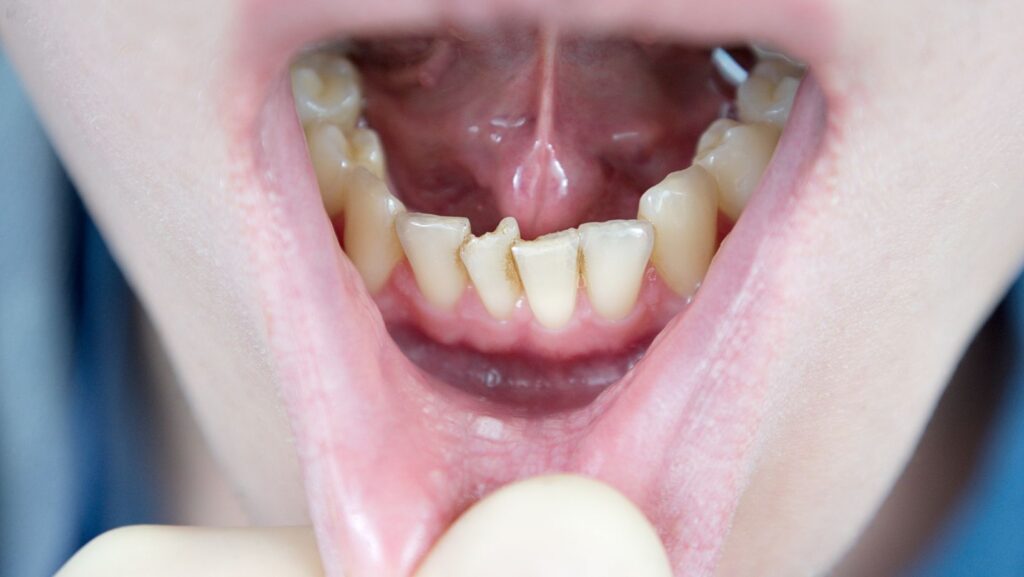
Crooked teeth are often dismissed as a cosmetic quirk—something you might “fix one day” if you have the time, money, or motivation. But alignment isn’t just about having a straight smile in photos. The way your teeth fit together influences how well you can clean them, how your bite functions, and how evenly forces are distributed when you chew.
So what actually happens when crooked teeth are left untreated? For some people, very little beyond mild crowding. For others, the effects slowly stack up: higher cavity risk, gum problems, abnormal wear, jaw discomfort, and even changes in how you speak or eat. The tricky part is that these issues tend to progress quietly, which makes them easy to ignore—until they become expensive or painful.
Crooked Teeth and Oral Hygiene: The Hidden Daily Battle
When teeth overlap, rotate, or sit too close together, toothbrush bristles and floss simply can’t reach every surface. That doesn’t mean you’re doing anything “wrong”—it means the anatomy is working against you.
Plaque Traps and a Higher Risk of Cavities
Crowded areas create plaque-retentive zones, especially between teeth and along the gumline. Over time, plaque hardens into tartar, which can’t be brushed away at home. This is one reason people with crowded teeth can be diligent brushers and still find themselves dealing with:
- Frequent fillings between teeth
- White-spot lesions (early enamel demineralisation)
- Persistent bad breath caused by bacterial buildup
Gum Inflammation That Doesn’t Fully Settle
If plaque constantly collects in hard-to-reach areas, gums can stay mildly inflamed. That “normal bleeding” during brushing that many people shrug off? It’s often an early warning sign. Left alone, gingivitis can progress to periodontal disease, which affects the bone supporting your teeth.
Bite Problems: When Misalignment Turns into Wear and Tear
Crooked teeth don’t just sit there; they change how your bite functions. And bites are about physics—force has to go somewhere.
Uneven Pressure and Enamel Damage
When teeth meet unevenly, certain teeth take more impact than they’re designed to handle. Over years, that can lead to:
- Chipped edges or stress fractures
- Flattened chewing surfaces from grinding or heavy contact
- Gum recession around “overworked” teeth
Enamel doesn’t regenerate. Once it’s worn down, you may need bonding, veneers, or crowns to restore shape and protect sensitive inner layers.
Jaw Strain and Headaches: A Real (and Common) Link
Not everyone with crooked teeth develops jaw problems, but bite imbalance can contribute to clenching, grinding, and temporomandibular joint (TMJ) strain. If you notice morning headaches, a sore jaw, or clicking when you open wide, it’s worth taking seriously.
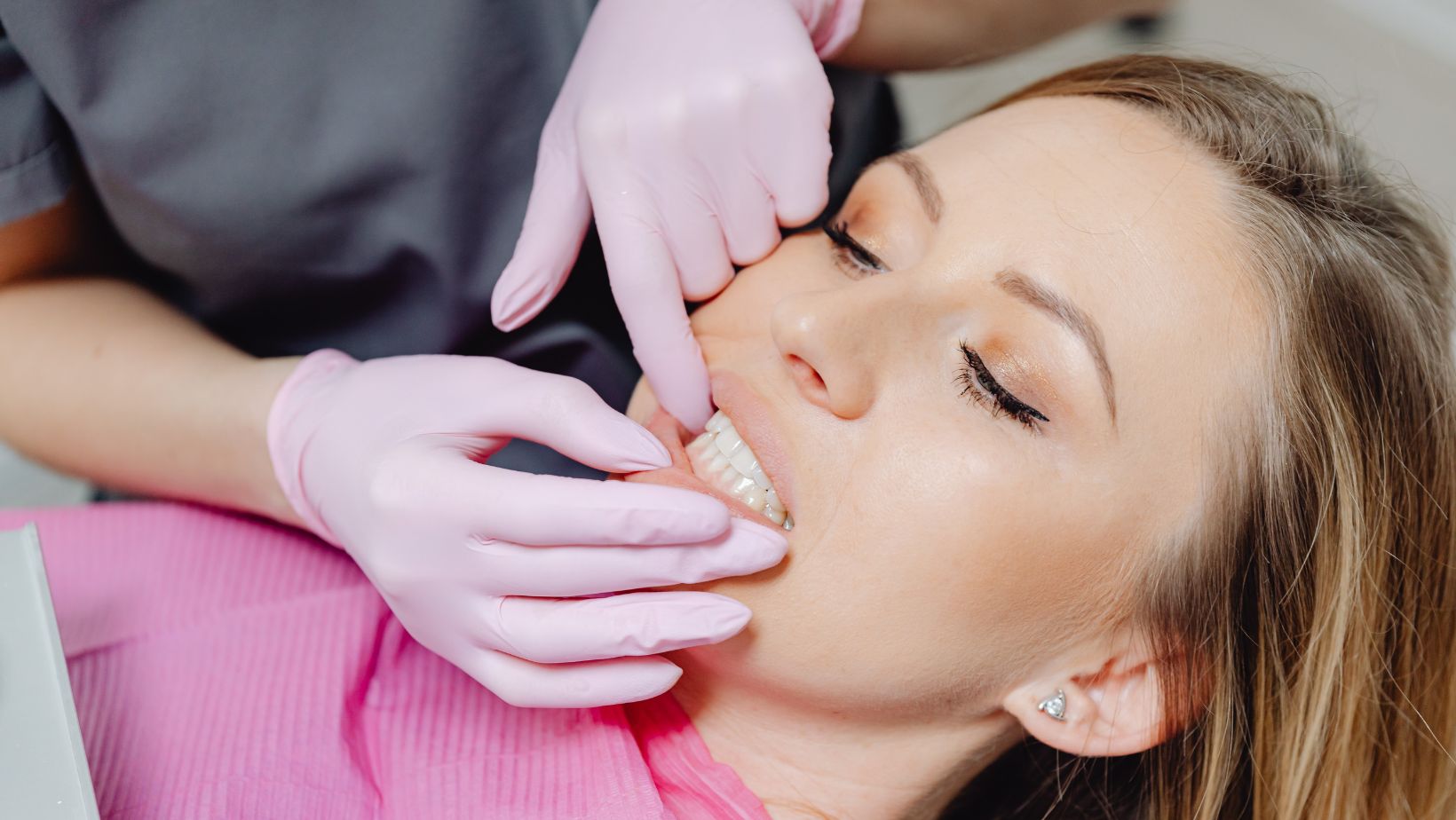
A useful next step is an orthodontic assessment to understand whether your alignment is contributing to bite stress—and what options exist to improve dental health and aesthetics over the long term.
The Long Game: What “Doing Nothing” Can Cost You Later
One of the biggest misconceptions about crooked teeth is that the consequences are immediate. Often, they’re not. The real impact shows up gradually—through accumulated dental work, recurring inflammation, and avoidable wear.
More Dentistry, Not Always Better Dentistry
When alignment makes cleaning difficult and bite forces uneven, you’re more likely to need restorative treatments over time. That might include:
- Repeat fillings in the same hard-to-clean areas
- Root canal treatment after cracks or deep decay
- Crowns to rebuild teeth that have worn down or broken
- Gum treatments if periodontal pockets develop
Restorative dentistry is valuable and often necessary, but it generally addresses the result of a problem rather than the underlying mechanics. If the alignment issues remain, the cycle can continue.
Teeth Can Drift—Crowding Often Worsens with Age
Even if your crowding is mild today, many adults notice their front teeth shifting over time. Why? Teeth are not fixed like tiles; they respond to pressure, habits, and changes in the supporting bone and gums. Late lower incisor crowding is especially common, and it can make previously manageable alignment feel suddenly more noticeable.
Speech, Chewing, and Confidence: The Human Side of Crooked Teeth
Health concerns matter, but so does quality of life. Crooked teeth can affect day-to-day comfort in ways people don’t always connect back to alignment.
Functional Annoyances You Might Be Normalising
Some people subtly change how they chew to avoid an awkward bite, or they avoid certain foods because cleaning is difficult afterward. Others find they bite their cheeks more often or struggle with particular sounds.
Here are a few signs that crooked teeth may be causing functional issues (not just cosmetic ones):
- You regularly trap food in the same spots
- Floss shreds or won’t pass between certain teeth
- You avoid chewing on one side
- You’ve noticed increasing tooth sensitivity or gum recession
- Your teeth look like they’re “wearing down” unevenly
If any of these sound familiar, it’s worth viewing alignment as a practical health consideration, not a vanity project.
The Confidence Factor Isn’t Trivial
Let’s be honest: if you hide your teeth when you laugh, avoid photos, or feel self-conscious in professional settings, that affects your life. Psychological wellbeing and social comfort matter. The goal isn’t “perfect teeth”; it’s feeling at ease—without ignoring real oral health risks along the way.
What You Can Do If You’re Unsure Whether Treatment Matters
If you’re on the fence, you don’t need to jump straight to treatment. Start with clarity.
1) Get an Objective Assessment of Risk
Ask your dentist (or an orthodontist) specific questions:
- Are there areas you can’t clean effectively due to crowding?
- Is your bite causing abnormal wear or gum recession?
- Are there signs of grinding, enamel cracks, or bone loss?
- Is movement likely to continue over time?
Photos, X-rays, and a bite evaluation can reveal whether the issue is stable—or slowly worsening.
2) Focus on Prevention While You Decide
Even without orthodontic treatment, you can reduce risk by tightening up the basics: professional cleanings on schedule, fluoride support if you’re cavity-prone, and tools like interdental brushes or water flossers if standard flossing is difficult.
3) Treat the Cause, Not Just the Symptoms (When Appropriate)
If the alignment is actively driving decay, gum inflammation, or repeated repairs, it’s worth considering whether correcting the underlying problem could reduce future dental work. In many cases, that’s the difference between managing a cycle and breaking it.
Crooked teeth aren’t automatically a crisis—but they’re rarely “just cosmetic,” either. If you’ve been postponing the decision, think of it this way: the earlier you understand your personal risk, the more choices you’ll have, and the more control you’ll keep over your long-term oral health.