

We trust caregivers tasked with protecting our loved ones. Yet mistreatment and neglect are prevalent and often happen silently. This makes it essential for families to recognize what warning signals to observe during visits. Timely identification can safeguard at-risk residents. This article discusses the primary signs of nursing home abuse.
Physical and Environmental Indicators
Physical abuse must not be missed. Bruises, fractures, or bed sores can be caused by medical conditions or accidents. While they may sometimes be expected, frequent or poorly explained injuries should be investigated further. These physical signs, in most instances, form the only external representations that there is something amiss, considering that a resident may be unable or too scared to speak out.
The resident’s living environment also offers critical clues. Poor care can be indicated by dirty bedding or foul odors. The absence of the required safety equipment (bed rails or call buttons within reach) can also show a lack of minimum safety standards. These conditions reveal serious problems within the facility that put residents at risk. Families can check for safety and cleanliness by making regular or surprise visits.
Behavioral and Emotional Shifts
One of the most apparent indicators of psychological abuse or neglect is a visible shift in the attitude of a loved one. A normally outgoing resident who has turned withdrawn, anxious, or fearful may be evidence of emotional distress. Look for signs such as extreme anxiety around certain staff members. Rocking or mumbling behavior may also indicate trauma.
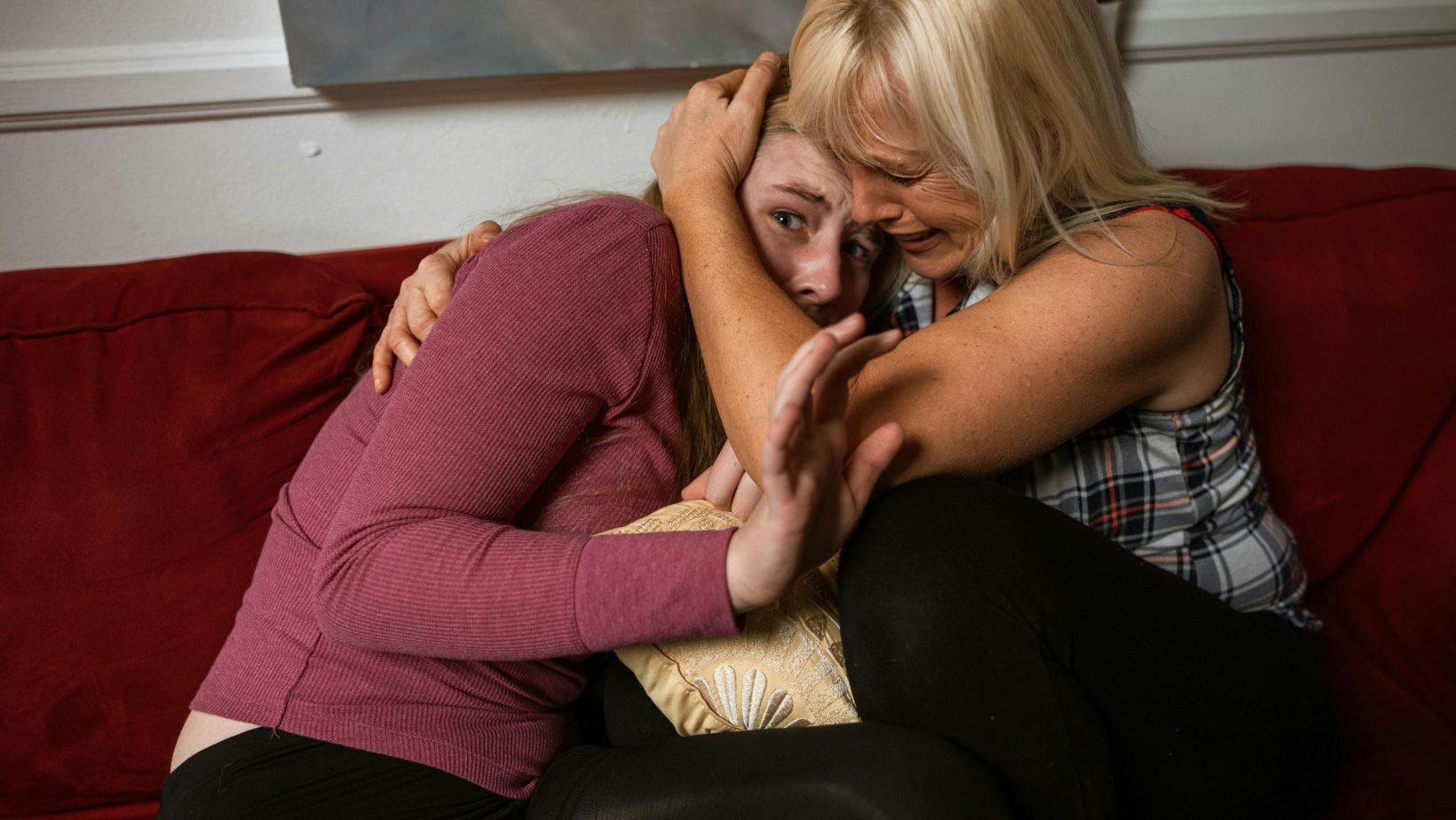
On the other hand, a sudden emergence of depression or a disinterest in activities once found enjoyable should not be regarded as a typical aspect of aging. A resident experiencing mistreatment might also show abnormal agitation or display anger. Clear communication is vital; still, numerous victims choose to stay quiet due to fear of reprisals, highlighting the importance of noticing these non-verbal signals.
Financial and Documentation Red Flags
Bank withdrawals that cannot be explained are clear red flags of financial exploitation. Sudden changes in one’s will or power of attorney can also be warning signals of abuse. The loss of money or personal belongings is a significant concern. Be cautious when a staff member expresses unusual interest in a resident’s finances or when the member forces the resident to alter their financial circumstances.
Problems in documentation can also raise concerns. These can be missing, incomplete, or falsified records of care. They demonstrate neglect, poor supervision, or an effort to cover up harm. Gaps usually signify systemic failure. Quick action and documentation are essential. Take photos of injuries or missing items, including the date, and keep a daily journal. Save all financial statements and care records. Talk to a skilled Georgia nursing home abuse law firm in case of suspected abuse. They will clarify your rights and help you hold the facility liable.
Endnote
The best way to protect your loved one in a nursing home is to be vigilant. Families can become excellent advocates by recognizing physical, emotional, and financial red flags. Report issues to the staff of the facilities and state agencies as soon as possible. Your attentiveness can guarantee that your loved one gets the respectful and secure treatment they are entitled to.