
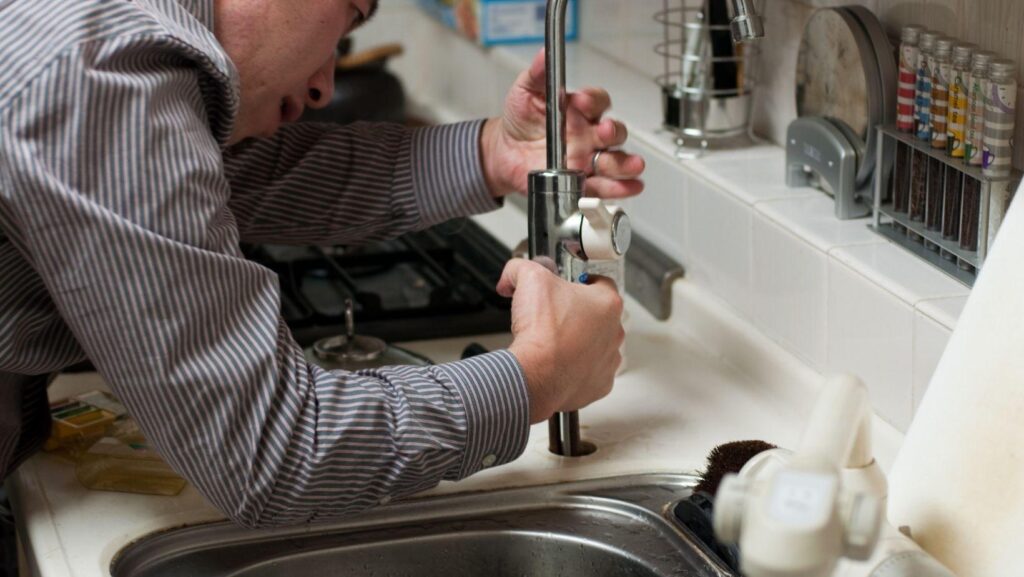
Kitchen plumbing may be one of the most overlooked (yet crucial) aspects of any household.
A small drip beneath your sink can become a catastrophe in no time. Statistics reveal UK households leak £697 million annually in wasted water. The majority of those household leaks begin as small drips that people ignore thinking, “it’s not a problem.”
Here’s the kicker:
Knowledge of your kitchen plumbing now can save you thousands in repairs later.
What you’ll discover:
- Why Kitchen Plumbing Knowledge Matters
- The Core Kitchen Plumbing Parts To Know
- Common Kitchen Plumbing Problems
- Maintenance Tips That Save You Money
- When To Call A Plumber
Why Kitchen Plumbing Knowledge Matters
Your Average American homeowner could rattle off every component to their car … Stand in their kitchen and not know where the shut off valve is under the sink.
That’s a problem.
The kitchen is the busiest plumbing zone in any house. You’ve got:
- The main sink
- A dishwasher
- The fridge water line
- A waste disposal unit (sometimes)
- A boiler nearby (often)
And each one of them can go wrong. Sometimes you’ll have to move fast to fix the problem. Understanding the basics will allow you to recognise problems early on, take care of small problems yourself and hire a plumber for the big stuff, without getting ripped off. If you think you have a serious leak, it’s advisable to request quotes from local plumbers before the job begins – checking prices will prevent you from paying twice what your job is worth and allow you to hire a plumber with the correct experience.
Pretty smart, right?
The Core Kitchen Plumbing Parts To Know
Your kitchen sink plumbing has 4 main parts that all homeowners should know. Never fear. This is not complicated.
Supply Lines
Supply lines are the hoses that supply fresh water to your faucet and appliances. There are generally two types:
- Hot water supply
- Cold water supply
They attach directly to your faucets, dishwasher and refrigerator. They are pressurized 24/7. So if one fails, you can have water flooding your home in minutes. Inspect them every couple of months for signs of rust, bulging or damp spots.
Drain & Waste Pipes
After you use water, it needs to drain somewhere. That is where your drain pipes come into play. Drain pipes take wastewater from your sink and dishwasher down to your main sewer line.
Most kitchen drain issues come from one thing… grease.
Pouring fats and oils down the sink is the leading cause of blocked kitchen sinks. The little bit that goes down your sink adds up and congeals inside the pipes.
The P-Trap
Look under your kitchen sink and you’ll see a U-shaped pipe. That’s the P-trap.
Its purpose? To trap some water that prevents sewer gasses from backing up into your kitchen. Without it your kitchen would smell terrible.
Most clogs tend to accumulate at the P-trap either. The best news is that they’re easy to clean – unscrew it and rinse it out.
Shut-Off Valves
This is the most important part to know.
Every kitchen is equipped with shut-off valves under the sink (and most likely behind the dishwasher as well). These valves allow you to quickly shut off the flow of water should an emergency arise.
Don’t know where your shut- off valves are….Locate them NOW. You could have a pipe leaking with no way to turn off the water causing major damage in minutes.
Common Kitchen Plumbing Problems
Believe it or not, sometimes maintenance isn’t enough. These are the most common kitchen plumbing problems you’ll encounter as a homeowner:
- Dripping taps — Usually a worn washer or cartridge
- Slow draining sinks — Grease, food, or soap build-up
- Low water pressure — Often a clogged aerator on the tap
- Leaking pipes under the sink — Loose fittings or worn seals
- Garbage disposal jams — Hard items like bones or fruit pits
- Smelly drains — Bacteria build-up or a dried out P-trap
Research conducted by LeakBot discovered that the average leak repair costs £1,074 per incident. However, that figure increases quickly when water damage reaches flooring, cabinetry or plaster walls.
The point?
Fix problems early. The longer you put off addressing something small, the larger the invoice will be.
Maintenance Tips That Save You Thousands
Maintaining your kitchen plumbing doesn’t require a professional. Simply adopt these easy habits:
- Don’t pour grease down the sink EVER – Wipe pans off with kitchen roll first then wash
- Run hot water after each use – Flushes away any remaining residue
- Check under the sink monthly — Look for damp, drips, or warped wood
- Use a drain strainer — Catches food before it clogs the pipe
- Turn your shut-off valves on and off twice a year — Otherwise they can freeze up.
Pretty simple, right?
These little habits will ensure your kitchen plumbing lasts for years to come. They can also help you identify issues before they turn into emergencies.
When To Call A Plumber
Some jobs are easy DIY… Others are best left to the pros.
Here’s the line:
Do it yourself: Unclogging a P-trap, changing a tap washer, loosening an aerator, securing a loose fitting.
Call a plumber if you have: Burst pipes, Whole house has low water pressure, smell of gas, Things you can’t see behind a wall, Anything that connects to your boiler.
DIY fails can cost you! Go from having a small problem to making it into a large one in seconds flat. If the repair is more than a simple fix – let someone qualified to look at it get you a quote.
A few things to look for when picking a plumber:
- Gas Safe registered (essential for any gas work)
- Clear pricing before they start the job
- Good reviews from other locals in your area
- A written quote rather than just a verbal estimate
Obtain 2-3 quotes for any significant work. This is the only way to ensure you’re not getting ripped off.
The Bottom Line
Kitchen plumbing isn’t rocket science.
Educate Yourself a little goes a long way. You don’t need to be a plumber, you just need to know enough to:
- Spot problems early — Before they turn into expensive disasters
- Fix simple issues yourself — Save money on the small jobs
- Know when to call a pro — Avoid making things worse
The majority of kitchen plumbing issues begin as little problems. The people who run up the largest bills are the ones who ignored the signs.
Don’t be that homeowner.
Learn about your kitchen plumbing today. Do your preventive maintenance, and save yourself thousands down the road.