
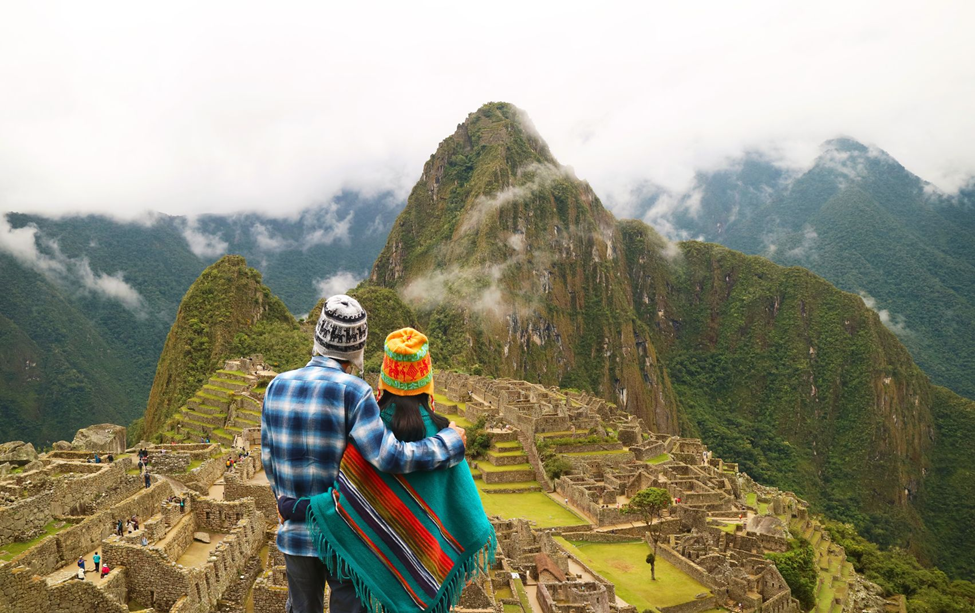
Visiting Machu Picchu for the first time feels like stepping into a living postcard. It’s one painted by the clouds and carved by the hands of the Ancient Incas. Perched high in the Andes, this Incan City has inspired travelers, historians, and adventurers alike for generations.
It’s not just a place; it’s a story of perseverance, innovation, and connection to nature. But before you pack your bags and lace up your hiking boots, it’s worth learning how to go smart, especially if you’re new to South American travel.
Planning the Journey from Lima to the Lost City
One of the first challenges most people face is figuring out how to get from Lima to Machu Picchu. There’s no direct route by road, so the trip unfolds in stages. You’ll typically fly from Lima to Cusco, the heart of the Inca empire and your main gateway to the Sacred Valley. From there, you can take a scenic train ride or choose one of several trekking options.
The Inca Rail is one of the few tourist train operators from the Cusco train station, offering comfortable seats and panoramic views of lush valleys and terraced mountains. If you prefer a more immersive experience, hiking the Inca Trail or one of the Salkantay trails allows you to experience the Andes up close and personal. The Inca Trail, which ends at Wiñay Wayna, is a UNESCO World Heritage route that perfectly blends adventure with history.
For those craving variety, the Salkantay Mountain trek is another stunning choice featuring turquoise lakes, cloud forests, and glimpses of glacial peaks. Regardless of your chosen route, the goal remains the same: to reach Machu Picchu and witness the marvel of Incan ingenuity firsthand.
Exploring Machu Picchu and Beyond
Once you arrive, the experience is nothing short of magical. You’ll walk through finely cut stone walls, ceremonial terraces, and spiritual shrines that have withstood centuries of change. This breathtaking citadel, rediscovered by Hiram Bingham in 1911, remains one of the best-preserved remnants of the Inca empire.
If you want to go beyond the classic viewpoint, consider exploring nearby hikes. The Huayna Picchu Hike is a thrilling climb that rewards you with panoramic views of the entire Incan City. It’s steep but manageable for those with moderate fitness.
Alternatively, the Machu Picchu mountain, also known as Montaña Picchu, offers a longer, less crowded trail with equally impressive scenery. And for something truly offbeat, try the Inca Bridge Hike, a short yet stunning walk that showcases the Ancient Incas’ engineering brilliance.
Tips for a Smart Machu Picchu Visit
A trip to Machu Picchu is not just about ticking a destination off your list. It’s about embracing the spirit of the Andes. Here are a few simple tips to make your experience smooth and memorable:
- Book early. Tickets to Machu Picchu and special hikes, such as Huayna Picchu, are limited and often sell out months in advance.
- Stay hydrated. The altitude can be demanding, so be sure to drink plenty of water and pace yourself.
- Respect local culture. The site remains sacred to many Peruvians. Follow guidelines from the Ministry of Culture of Peru and avoid touching or leaning on structures.
- Travel light. The entry rules restrict bag sizes, so pack essentials such as sunscreen, water, and a lightweight rain jacket.
Each of these steps helps you move through the journey with respect for the land, its people, and its history.
Alternative Routes Worth Considering
While the Inca Trail is iconic, it’s not your only option. Some prefer equally safe but less congested alternative hiking routes, such as the Lares or Choquequirao treks. These routes not only offer solitude but also bring you closer to local Andean communities and breathtaking, untouched landscapes.
Each trail tells its own version of the same story of how the journey to Machu Picchu continues to connect people across time and terrain. You can combine these hikes with a trip to Rainbow Mountain, a colorful natural wonder just a few hours from Cusco, to complete your experience.
Staying in Cusco and the Sacred Valley
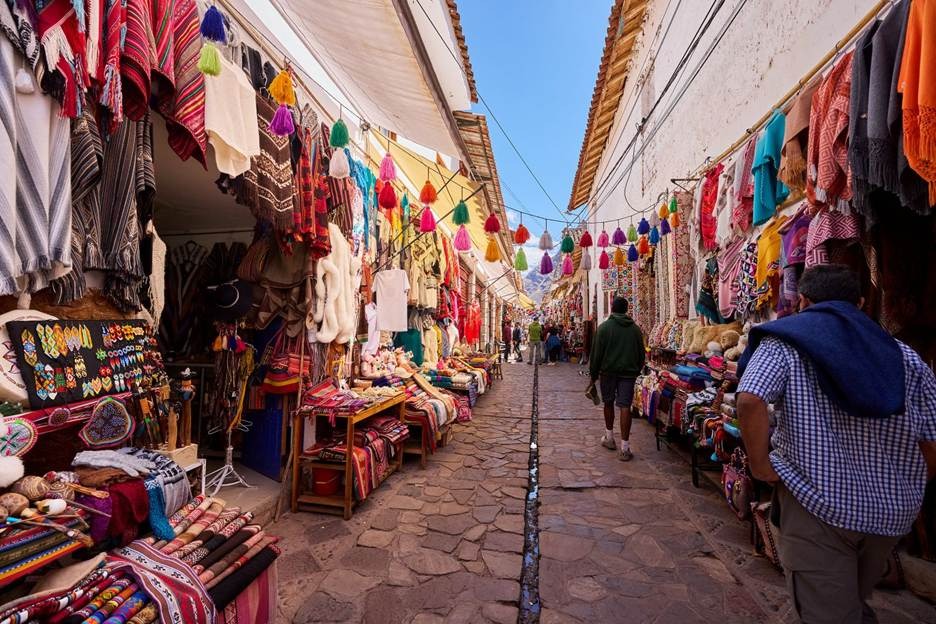
Cusco isn’t just a pit stop; it’s a highlight in its own right. Spend a few days here before heading to Machu Picchu, allowing your body time to adjust to the altitude. The city is brimming with colonial architecture, cobblestone streets, and lively markets that blend old-world charm with Andean traditions.
When it comes to where to stay, you can always refer to the Cusco accommodation guide and travel insights to find the right fit for your comfort, budget, and sustainability goals.
While in Cusco, you can also visit nearby ruins like Sacsayhuamán or Pisac in the Sacred Valley, take a cooking class using native ingredients, or stroll through the San Blas neighborhood to shop for handcrafted souvenirs. It’s a place that rewards slow exploration.
Travel, Wellness, and Family
A journey to Machu Picchu isn’t just about adventure; it’s also about renewal. The stillness of the Andes, the sound of the wind through ancient terraces, and the physical effort of hiking create a natural sense of balance. That’s why it makes perfect sense to integrate family vacations into your holistic wellness routine.
Exploring the Sacred Valley together or watching the sunrise over the ruins can strengthen family bonds while nourishing your sense of wonder. Children often enjoy hearing stories about the Incan Empire, and adults find solace in the connection to nature and history. It’s a shared experience that leaves everyone refreshed in body, mind, and spirit.
Ending on a Meaningful Note
When your Journey Machu Picchu comes to an end, take a moment to reflect on what you’ve seen and felt. You’ve walked the same paths the Ancient Incas once travelled, witnessed their unmatched craftsmanship, and stood among the clouds where history and legend intertwine. You’ve become part of a story that transcends time, whether you hiked the Salkantay trails, climbed Huayna Picchu, or took the scenic route via train. The key to going smart isn’t just good planning. It’s traveling with curiosity, respect, and appreciation for what this sacred place represents. In doing so, you don’t just visit Machu Picchu. You experience the enduring spirit of the Andes and carry it with you long after you’ve gone home.