
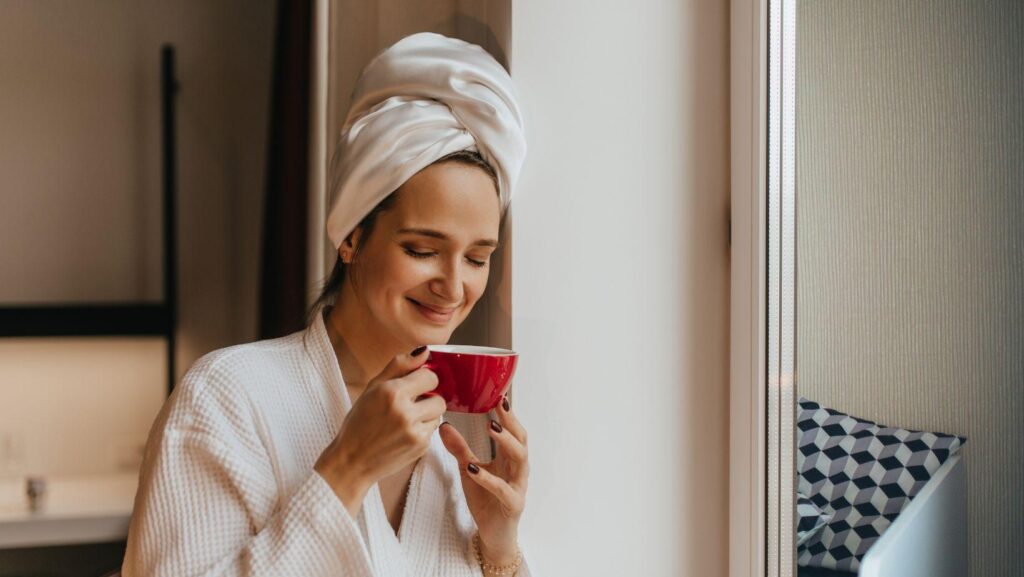
There is a particular kind of exhaustion that only busy households know.
It is not just tiredness from a long day. It is the feeling of being constantly needed. Of answering questions before you have finished your first cup of tea. Of carrying everyone else's needs in your mind like a never-ending list, even when you are technically sitting still.
If that sounds familiar, you are not alone. And more importantly, you deserve a break.
Taking time for yourself is not a luxury reserved for people with emptier diaries or quieter lives. It is a genuine necessity, and getting it right makes the whole household run better, not just for you, but for everyone in it.
Why Self-Care Keeps Getting Pushed to the Bottom of the List
Most parents and caregivers are brilliant at putting others first. It is one of the things that makes them so good at what they do. But that same instinct can quietly chip away at personal wellbeing without anyone noticing until the cracks start to show.
Self-care often sounds abstract or indulgent, which makes it easy to dismiss. There is always something more pressing: the dinner to cook, the school run, the work emails that blurred into the evening. By the time everything settles, the idea of doing something just for yourself feels almost selfish.
But here is the truth that most of us already know and yet need reminding of constantly: you cannot pour from an empty cup. When you are running on empty, patience wears thin, creativity dries up, and the ability to be present for the people you love diminishes. Prioritising yourself is not a retreat from your responsibilities. It is what makes fulfilling them possible.
Small Moments Add Up to Something Big
Taking time for yourself does not have to mean a weekend away or a full spa day (though both sound wonderful). The most sustainable form of self-care is built into the ordinary rhythm of the day, woven in through small but intentional moments.
It might be the twenty minutes after the school drop-off when you resist the urge to immediately open your phone and instead sit quietly with your thoughts. It might be a walk without headphones, or a bath with the door actually locked, or reading a few pages of a book before bed.
These small pockets of time matter enormously. They signal to your nervous system that you are allowed to slow down. They remind you that you are a person with your own inner life, not just a role you perform for other people.
If mornings are usually the pressure point in your house, it is worth reading about how to create a calmer morning routine for busy families. Reducing that early morning stress gives you a better chance of carving out even a small slice of peace before the day gains momentum.
The Role of the Senses in Restoring Yourself
One of the most overlooked aspects of personal restoration is sensory. We live so much in our heads, managing logistics and worries, that we forget the body is an equally important part of wellbeing.
Engaging the senses deliberately can be a fast and effective way to shift your state. A warm drink. A favourite piece of music. The feel of a soft blanket. Natural light through a window.
Scent, in particular, has a remarkable ability to signal calm or joy almost instantly. It is one of the most direct routes to memory and emotion, which is why it plays such a powerful role in self-care rituals. Running a bath and reaching for a fragrance you love, or spritzing something beautiful before you sit down with your book, can turn an ordinary moment into something that genuinely feels like yours.
Exploring perfume for women is a surprisingly personal and meaningful exercise. The right scent can become a kind of anchor, a signal to yourself that this moment is for you. It costs nothing to discover what makes you feel like yourself again.
Make It a Habit, Not a Guilty Pleasure
For many people, the hardest part of taking time for themselves is not finding the time. It is the guilt that arrives along with it. Sitting down while the washing is not done, closing the door for twenty minutes, saying no to another commitment because you are already full — these things can feel uncomfortable when you are used to being the person who holds everything together.
But guilt around rest is worth questioning. For many parents, the message received early in life was that caring for yourself came last. Unlearning that is worthwhile, because when you model rest without apology, your children learn that their own needs matter too.
What creates real change is building time for yourself into the structure of your week, not just grabbing it when circumstances happen to allow it. Think about what actually replenishes you. Movement, creativity, solitude, beauty. There is no universal formula, just whatever leaves you feeling more like yourself. And here is the quiet paradox: a household where everyone gets a little room to breathe tends to be a calmer, kinder place for everyone in it.
So close the door. Make the tea. Light something that smells beautiful. You matter too.