
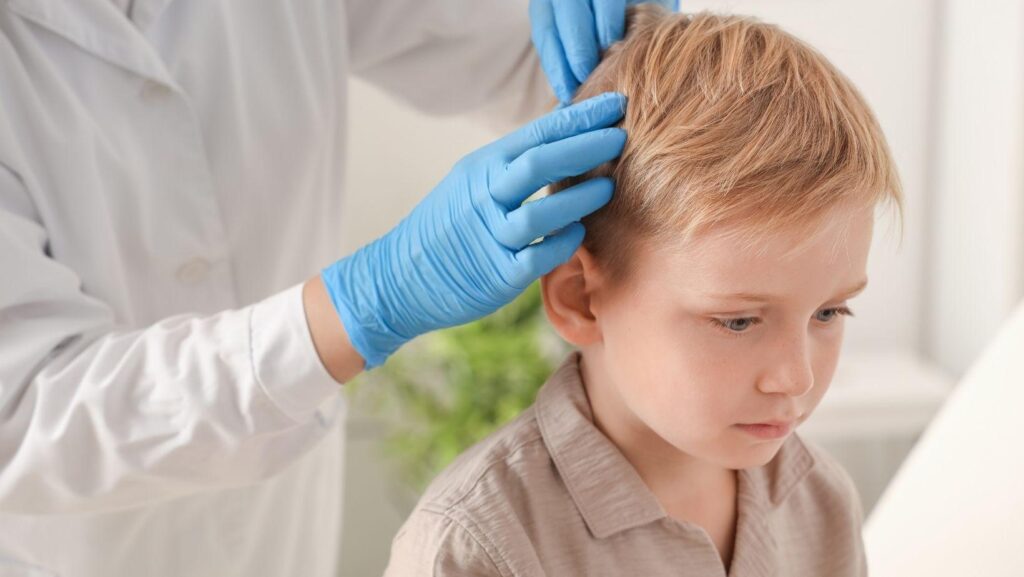
A child’s head injury can look minor at first. A fall from playground equipment, a bicycle crash, a sports collision, a pedestrian accident, or a blow during a car crash may leave only a bump, bruise, or brief crying spell. Parents may hope the child is simply scared and will feel better after rest.
Some head injuries do improve quickly, but children still need careful monitoring. Symptoms can appear slowly, change during the day, or become clearer once the child returns to school, screens, sports, or normal routines. Watching a child closely after a head injury can help parents know when medical care, follow-up, or additional support may be needed.
The First Reaction May Not Tell the Full Story
Children may cry, become quiet, or seem confused right after a head injury. A few minutes later, they may appear normal again. That quick improvement can be reassuring, but it does not always mean the risk is gone.
Adrenaline, fear, and distraction can hide symptoms. A child may want to keep playing or avoid worrying adults. Parents should continue observing behavior, balance, speech, mood, appetite, sleep, and complaints of pain after the first few minutes have passed.
Young Children May Not Explain Symptoms Clearly
Adults can often describe dizziness, nausea, blurred vision, pressure in the head, or trouble concentrating. Children may not have the words to explain those problems. Instead, they may say they feel “weird,” become fussy, refuse food, cling to a parent, or stop enjoying normal activities.
A younger child may also deny symptoms because they do not understand the question. Parents should watch actions as much as words. Changes in walking, playing, sleeping, talking, or reacting to noise and light may provide important clues.
Symptoms Can Show Up Hours Later
A child may seem fine immediately after impact but develop symptoms later. Headache, vomiting, dizziness, confusion, sleepiness, irritability, balance problems, or sensitivity to light may appear after the child gets home.
This delayed pattern can cause families to underestimate the injury. If symptoms appear or worsen, medical advice should be sought. Parents should also follow discharge instructions carefully if the child was already evaluated and told to watch for changes.
Sleep Should Be Watched Carefully
Many children feel tired after a stressful injury. Rest may be part of recovery, but unusual sleepiness should be taken seriously. A child who is difficult to wake, unusually confused, or not acting like themselves may need urgent medical attention.
Parents should follow medical instructions about sleep after a head injury. They may be told what signs to watch for, when to wake the child, or when to return for care. The goal is not to create fear, but to notice changes that could signal a more serious problem.
School Can Reveal Hidden Problems
Some head injury symptoms become more noticeable when a child returns to learning. Reading, screens, noise, bright lights, homework, tests, and classroom activity can bring out headaches, fatigue, difficulty concentrating, mood changes, or memory problems.
Teachers may notice that the child seems slower, more emotional, distracted, or unable to complete work. Parents should communicate with school staff after a head injury. Temporary changes to schoolwork, screen time, recess, sports, or testing may help while the child recovers.
Play and Sports Should Not Resume Too Quickly
Children often want to return to play as soon as they feel better. That can be risky if the brain has not fully recovered. A second head injury during recovery may be more serious and can delay healing.
Parents should be cautious with sports, playground activity, biking, skateboarding, rough play, and activities where another fall or hit could happen. Medical guidance can help determine when it is safe to return. Dan Davis Law may review medical records, school notes, activity restrictions, and accident evidence when a child’s head injury follows another party’s unsafe conduct.
Mood Changes May Be Injury-Related
A child recovering from a head injury may not only complain of physical symptoms. They may become irritable, anxious, sad, angry, withdrawn, or unusually emotional. These changes can be mistaken for bad behavior, tiredness, or stress.
Parents should consider whether the mood change began after the injury. Notes about sleep, school behavior, appetite, crying, frustration, or fear can help doctors understand what is happening. Emotional changes can be part of the injury picture and should not be ignored.
Documentation Helps Track Recovery
Monitoring is easier when parents keep simple records. A daily note can include headaches, nausea, dizziness, sleep, appetite, screen tolerance, school problems, mood, balance, and activity limits. It can also list medications, appointments, and instructions from medical providers.
These notes may help families notice patterns. They can also support medical care by showing whether symptoms are improving, staying the same, or getting worse. If a legal claim later arises, documentation can help show how the injury affected the child over time.
Medical Follow-Up May Be Needed
One visit may not answer every question. If symptoms continue, parents may need follow-up with a pediatrician, emergency provider, neurologist, concussion specialist, therapist, or other healthcare professional. Some children may need help returning to school or activity safely.
Follow-up care can also identify problems that were not clear at first. Parents should not hesitate to ask questions if the child seems different, struggles at school, or has symptoms that do not improve as expected.
When Monitoring Protects a Child’s Future
A child’s head injury should not be judged only by how the child looks in the first few minutes. Symptoms can be delayed, subtle, or difficult for a child to explain. Careful monitoring gives parents a better chance to notice warning signs and seek help when needed.
After a head injury, parents should watch behavior, sleep, school performance, mood, pain, balance, and activity tolerance. They should follow medical advice, protect the child from another hit, save records, and take new symptoms seriously. Careful observation can help protect both the child’s health and the family’s understanding of how the injury changed daily life.